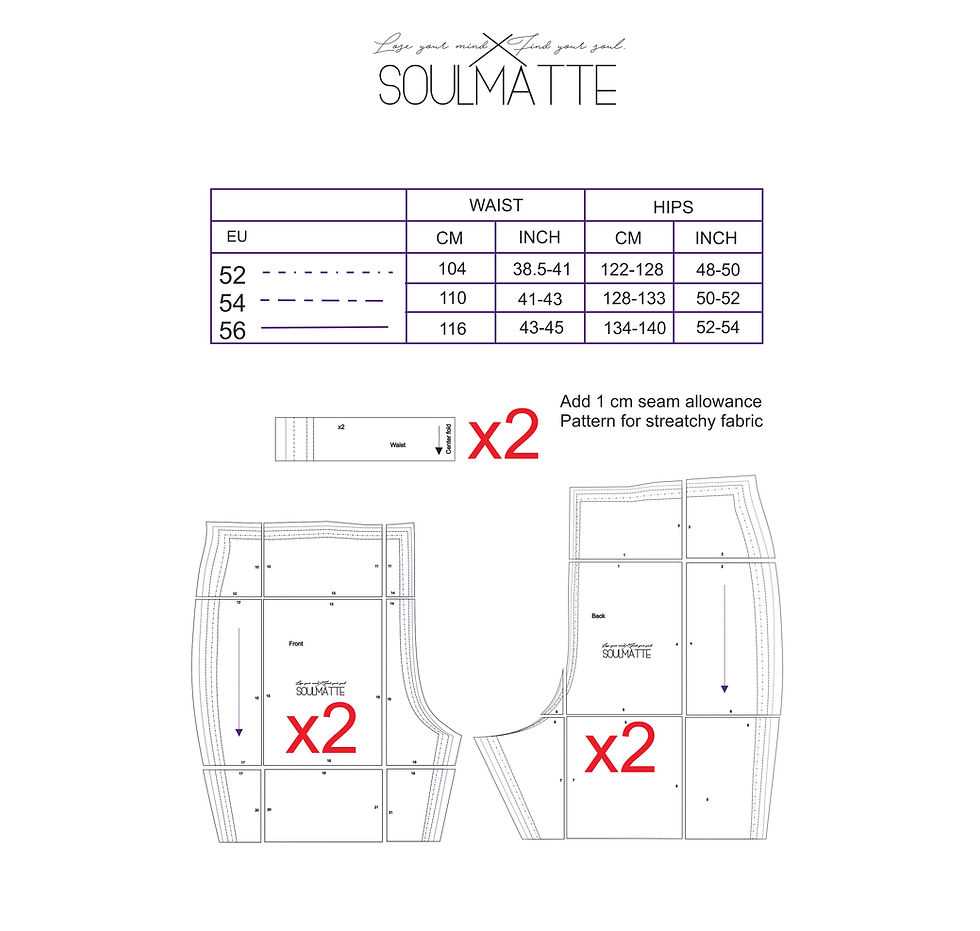
When designing your own summer clothing, the key to success is choosing the right materials and sizes for a perfect fit. Start by selecting fabrics that suit the warmer weather–light cotton or linen works best for comfort. If you want more flexibility in design, make sure to choose a cloth that drapes well and allows for ease of movement.
Next, focus on drafting your design. Use basic templates that are easy to modify or create your own from scratch by taking measurements that will give you the most flattering fit. Keep in mind that comfort should always be a priority, so be sure to account for movement and airflow when considering length and fit.
Once you’ve prepared your design, make adjustments where necessary. It’s common to tweak measurements as you move from one piece to the next. Adding extra ease around the waist or hips may be necessary, and ensure that the garment allows enough room for comfortable sitting and walking.
Guide to Creating Your Own Shorts Design
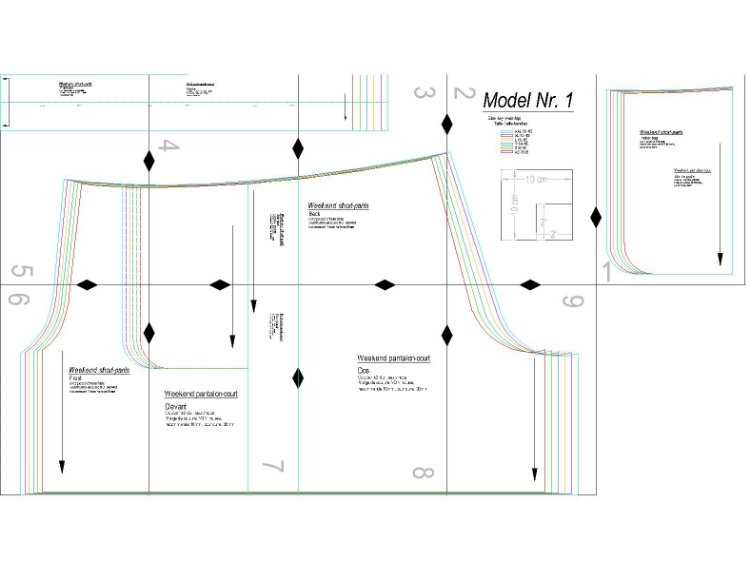
Start by measuring your waist, hips, and inseam to ensure a comfortable fit. These are the primary measurements needed to construct the base of the garment. Use a flexible measuring tape for accuracy and note these down as they will guide your fabric choices and design adjustments.
Once you have your measurements, choose a suitable fabric that fits your needs. For a comfortable and breathable feel, opt for cotton, linen, or lightweight denim. Ensure the material is easy to handle and can hold its shape well, especially for a relaxed and casual look.
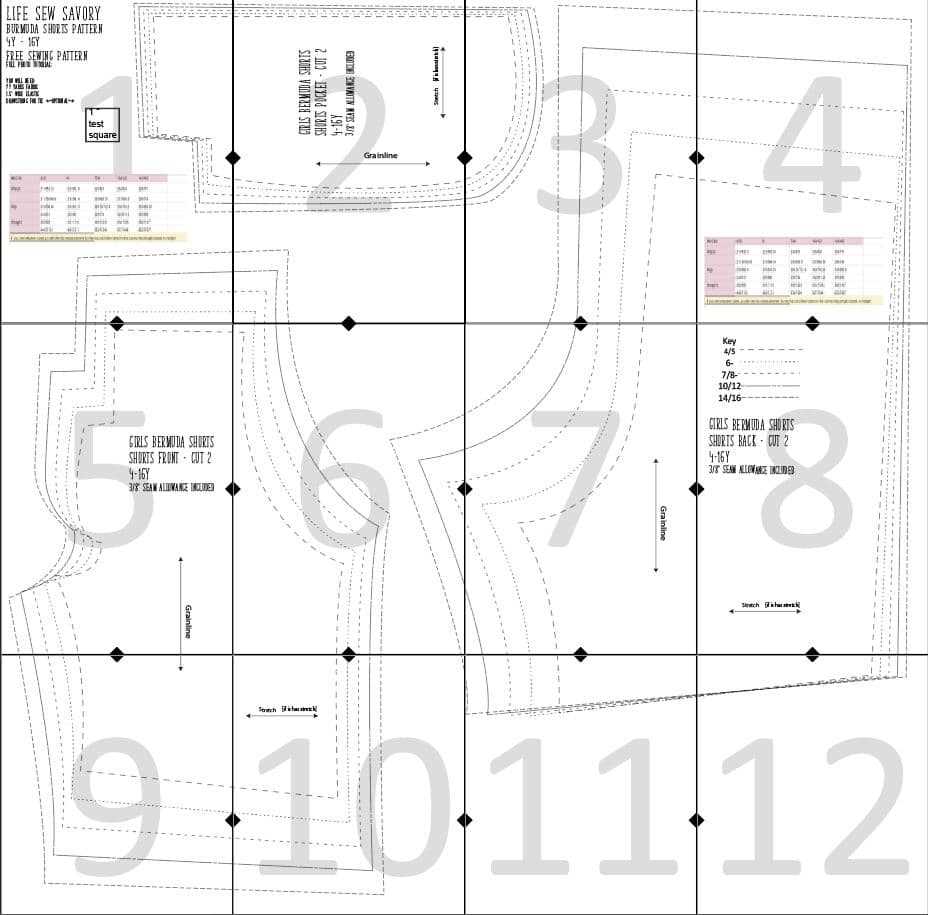
To draft the base of your design, draw a basic rectangle that represents the front and back panels of your garment. The length will depend on your preferred style–whether you want something that sits higher on the thigh or reaches closer to the knee. Adjust the sides to match the measurements you took earlier for a more customized fit.
Next, add curves or slants to the side seams for a more flattering shape. Depending on your design, you can add side pockets, cuffs, or other decorative elements. These additions can transform a simple garment into something more unique and tailored to your taste.
Consider the waistband design. You can opt for an elastic waistband for easy wear and comfort, or choose a buttoned or zippered option for a more structured fit. If you go for an elastic waistband, make sure it’s wide enough to comfortably hold the garment up without being too tight.
Once the design is drafted, it’s time to cut out your fabric pieces. Carefully transfer the design to the fabric using chalk or fabric markers. Make sure to leave extra room for seams–usually, a half-inch seam allowance will suffice for most fabrics. Use sharp fabric scissors to ensure clean cuts and avoid fraying.
After cutting the pieces, pin them together and sew the side seams, crotch seams, and waistband. For a smooth finish, press the seams flat as you sew. If you’re adding pockets or other features, sew them in place before joining the pieces together completely.
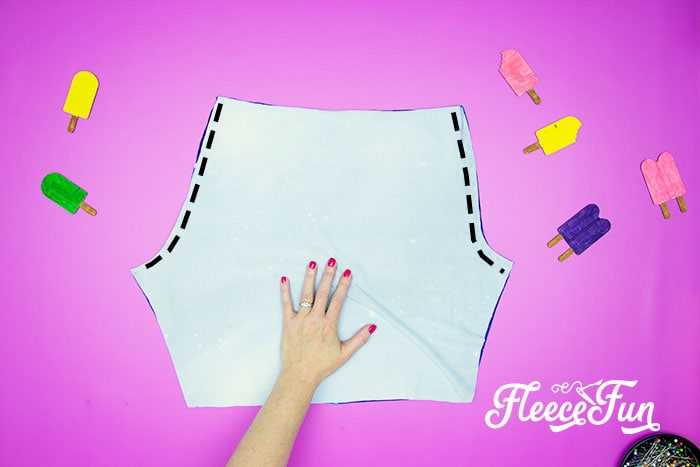
Finally, try on the garment for fit and make any necessary adjustments. If needed, take in the sides or waistband for a more snug fit. With these steps, you’ll have a custom garment designed specifically to your preferences and measurements.
Choosing the Right Fabric for Your Shorts Design
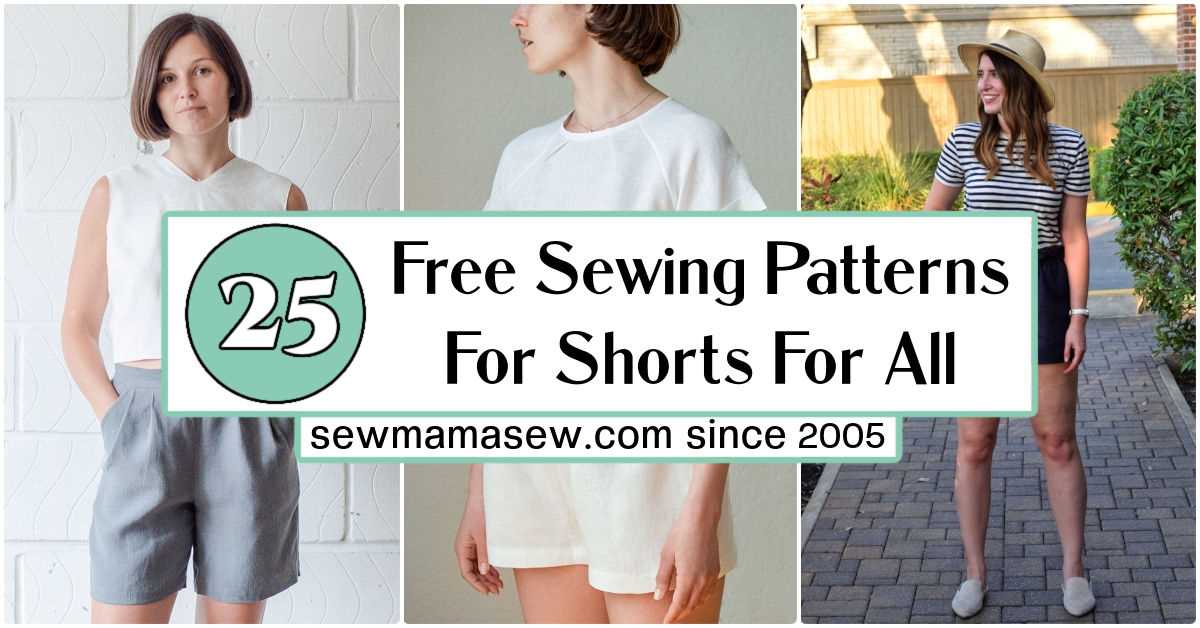
For a comfortable and breathable fit, select lightweight fabrics like cotton or linen, especially for warm-weather wear. These materials are soft on the skin and offer good air circulation, making them ideal for casual designs. Choose medium-weight fabrics if you prefer a more structured look, such as denim or twill, which offer durability and shape retention.
Consider the stretch of the fabric for a more relaxed and flexible fit. Fabrics with some spandex or elastane, such as jersey knit or stretch denim, allow for greater mobility. However, if you’re aiming for a crisp, tailored look, avoid stretchy materials and opt for stiffer, non-elastic fabrics. Always wash a small sample before sewing to ensure the fabric behaves as expected after washing.