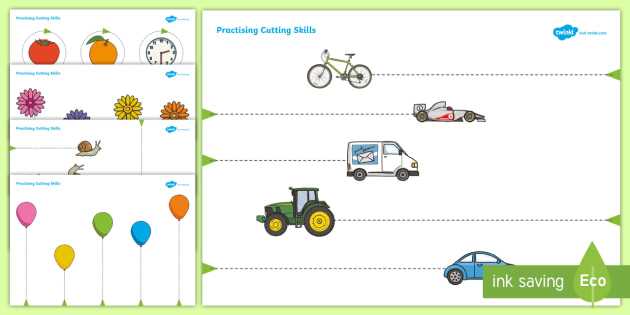
To help children develop better hand-eye coordination and fine motor control, try incorporating cutting exercises with simple designs. These activities focus on guiding young learners to master the proper technique while having fun.
Begin with easy-to-follow shapes and lines that encourage kids to practice following paths. Start with straight lines, then progress to curves, zigzags, and more complex patterns as their confidence grows. This approach builds dexterity gradually.
For added creativity, choose images related to the child’s interests, like animals, nature, or shapes. This makes the learning process engaging while ensuring the child remains focused. Encourage them to cut along the lines neatly, reinforcing precision.
As they improve, offer new challenges by introducing layered or detailed designs. The key is to keep the activity enjoyable and rewarding, so kids feel motivated to continue practicing their cutting skills in various forms.
How to Use Cutting Practice Sheets to Improve Scissors Skills
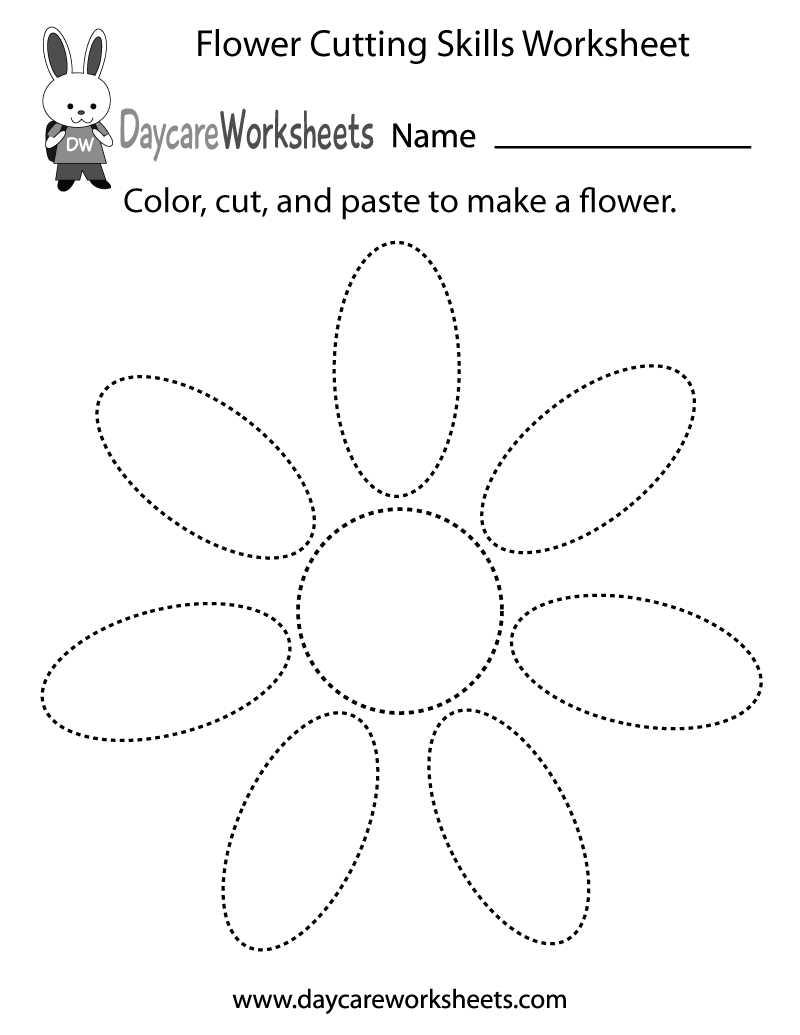
Start by introducing simple designs with straight lines. This helps children focus on mastering basic hand coordination and control. Use large, bold lines to give clear guidance, making it easier for them to follow along without feeling overwhelmed.
Once they are comfortable with straight lines, move on to curves and zigzags. These shapes require more precision and wrist movement, helping to build dexterity. Encourage slow, deliberate motions to ensure each section is cut carefully, which promotes better muscle memory.
Next, include more intricate patterns that combine both straight and curved lines. These challenges force children to think about their cutting technique while improving their focus and attention to detail. Use templates that are engaging, like animals or simple objects, to keep the activity fun and motivating.
For added difficulty, introduce multiple layers. Print out several designs and ask children to cut along different paths or even separate shapes from one sheet. Layering helps improve their ability to manipulate scissors at different angles, which is crucial for real-life applications.
To reinforce accuracy, reward children for neatness in their cuts. You can create a simple reward system to track their progress, encouraging them to stay consistent. Positive reinforcement boosts their confidence, making them more excited to continue practicing.
| Stage | Recommended Shapes | Focus Area |
|---|---|---|
| Beginner | Straight lines | Basic hand control |
| Intermediate | Curves, zigzags | Wrist movement |
| Advanced | Intricate patterns, multiple layers | Precision and angles |
Step-by-Step Instructions for Introducing Cutting Activities to Kids
Start by selecting simple shapes with thick, bold lines. This makes it easier for children to focus on cutting along the lines without getting distracted by smaller details. Keep the shapes large to prevent frustration and ensure they can clearly see where to cut.
Guide children through the process by showing them how to hold the scissors correctly. Position their thumb in one hole and the middle finger in the other while keeping their index finger on the top for better control. Let them practice opening and closing the scissors without cutting anything at first to get comfortable.
Once they understand how to hold the scissors, encourage them to cut along the lines slowly. Offer praise for precision and neatness, but also allow mistakes to happen. Over time, they will build confidence and improve their technique with each attempt.
Creative Ways to Customize Cutting Practice Sheets for Fun Learning
Start by adding fun illustrations to the design, such as animals, flowers, or geometric shapes. Children will be more engaged when they can relate to the pictures they are cutting. Choose simple, bold designs for younger children, and more complex ones as their skills improve.
Incorporate multiple color options into the shapes or designs. For example, create outlines that can be colored in before being cut. This adds an artistic element to the activity and keeps children motivated as they work through both cutting and coloring tasks.
Introduce patterns and textures in the designs. You can create dotted, zigzag, or scalloped lines that are fun to follow. Add textures by printing with different line styles or patterns that encourage more advanced cutting techniques, like following curves or intricate shapes.
To make it more interactive, add instructions or challenges within the design. Include phrases like “cut along the dotted line” or “cut out the stars” to guide children and make them think about their movements. You can even include small puzzles or games within the cutting design.
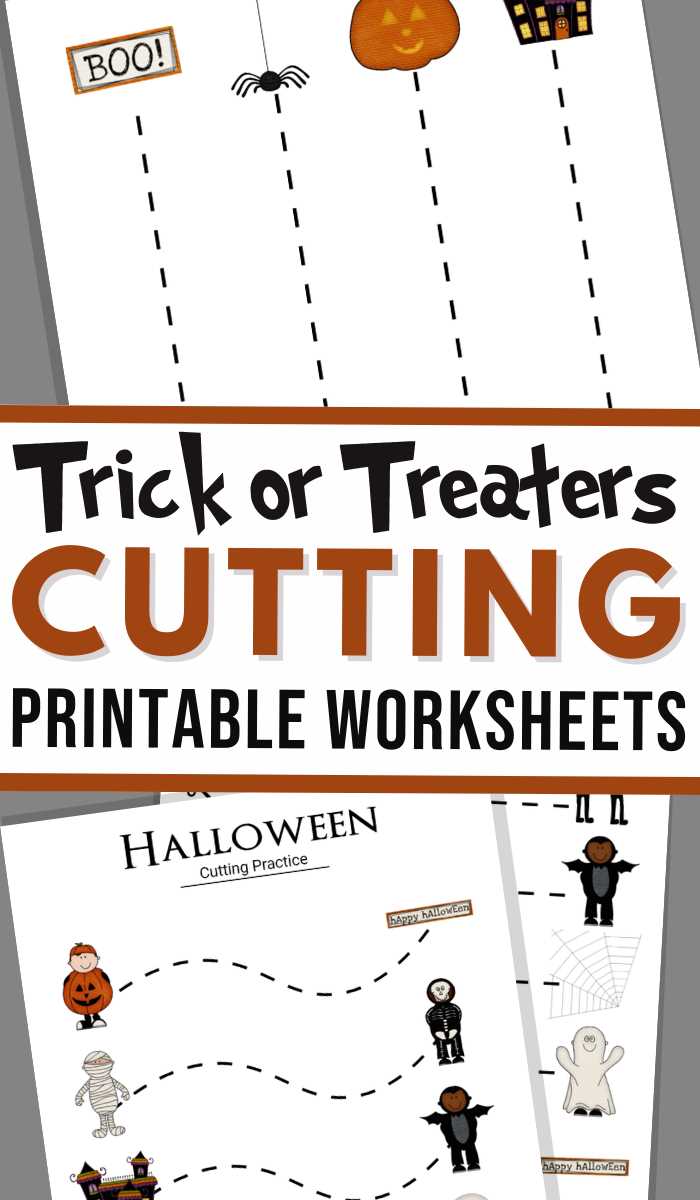
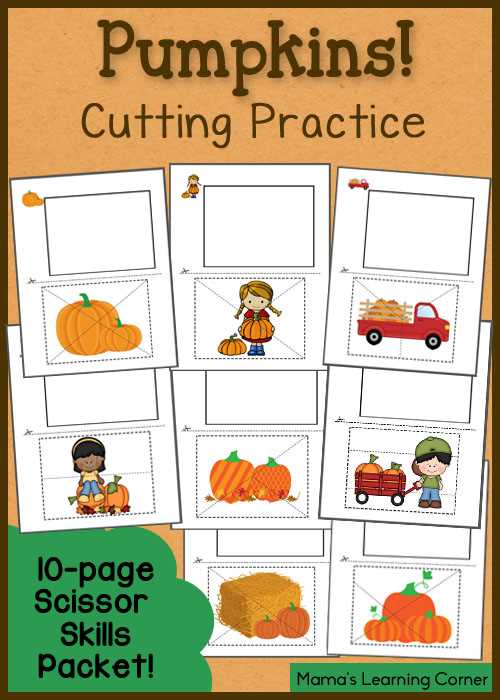
Make the activity seasonal by tailoring the designs to holidays or events. For example, create designs for Halloween, Christmas, or Easter, such as pumpkins, snowflakes, or Easter eggs. This keeps the activity exciting and relevant to the time of year, encouraging children to practice their skills.
Incorporate different textures into the materials used for cutting. For example, you could print on different types of paper, such as textured, smooth, or shiny. This not only adds variety but also helps children become familiar with cutting various surfaces and mastering different levels of resistance.
Use the finished designs in a craft project. Once the cutting is done, children can glue the cut-out pieces onto a larger project like a collage, diorama, or greeting card. This allows them to see the practical application of their work and gives them a sense of accomplishment.
- Seasonal themes: Halloween pumpkins, Christmas trees, etc.
- Coloring and cutting: Color the shapes before cutting.
- Textured designs: Use different paper types for cutting challenges.
- Interactive challenges: Include instructions and puzzles in the designs.