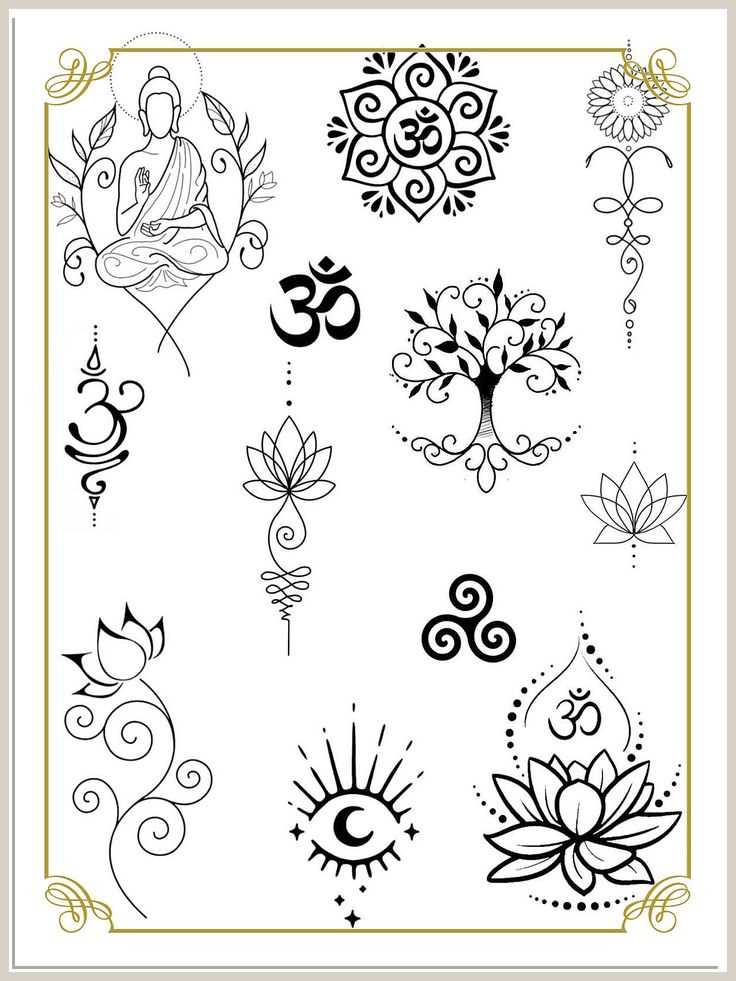
Start with simple designs to build confidence and accuracy when practicing. Look for designs that focus on basic shapes like flowers, spirals, and dots. These are easier to replicate and will help you develop steady hand movements. Choose patterns that suit your skill level, starting with outlines rather than filled areas.
For a more structured approach, opt for pre-drawn guides with clear outlines. These allow you to follow the design more closely, avoiding errors that can happen with freehand drawing. Position your hand comfortably while practicing to get used to the strokes, and focus on clean, precise lines.
As you gain more control, experiment with different sizes and placements of each pattern. This will help you develop an eye for spacing and flow, which are crucial for creating balanced artwork. Make sure to try out various hand positions to find what works best for you and avoid unnecessary strain.
Beginner Henna Templates Printable
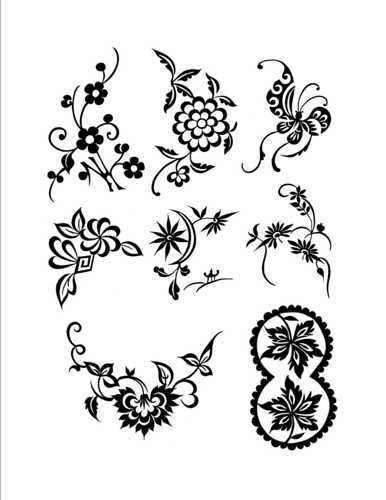
To get started, pick designs that focus on symmetry and basic geometric patterns. These simple shapes are the foundation of more complex artwork and are easier to replicate. Look for examples that highlight clean lines and even proportions to train your hand-eye coordination.
Avoid designs with too much detail initially. Complex patterns may feel overwhelming and can lead to frustration. Instead, start with a few strokes and shapes, gradually adding more complexity as you improve. This will help you build confidence and precision before moving to more intricate designs.
When practicing, try tracing over printed guides with a pencil or fine-tip marker. This allows you to familiarize yourself with the flow and structure of each design. Once you feel comfortable with the shapes, try reproducing them freehand on your own skin or paper, focusing on keeping your strokes smooth and consistent.
For those seeking variety, consider using templates with different styles–floral motifs, mandala patterns, or abstract lines. This gives you exposure to different forms and flow directions, helping you understand how to adapt designs to different body parts or surfaces. You can experiment with placement before committing to a full design.
Take time to refine your technique by practicing the same design multiple times. Repetition is key to mastering steady hand movements and accuracy. By repeating the process, you’ll start to develop a natural rhythm and familiarity with the stroke patterns, which will make your artwork look more polished.
Another tip is to adjust the size of your chosen patterns. Larger designs allow you more room for error and help with building confidence, while smaller designs are good for practicing intricate detail and fine lines. Mix the two as you go to challenge yourself and keep your practice sessions varied.
- Start with simple outlines and shapes like circles, hearts, and lines.
- Work your way to more detailed patterns such as flowers or paisley shapes.
- Use thin, crisp lines to improve control, then gradually add shading or filling for more texture.
Lastly, remember to relax while working. The more relaxed you are, the more fluid your movements will become. Tension in your hand or wrist can affect the quality of your work. Take breaks when needed to avoid frustration and allow yourself to enjoy the process.
How to Choose the Right Printable Henna Template for Beginners
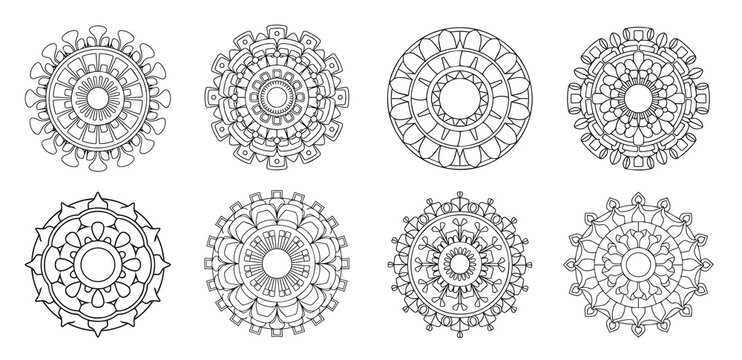
Start by selecting designs that focus on simple, clean lines. Avoid overly intricate patterns that may overwhelm you. Stick to basic shapes like circles, dots, and curves that can be easily replicated. This helps you build control and confidence.
Next, choose guides that offer clear outlines. The cleaner the lines, the easier it will be to trace and practice. Look for those that define each section of the design so you can focus on one part at a time without confusion.
Consider the scale of the pattern. Larger designs are easier to manage since they provide more space to work within. Small, detailed patterns can be more challenging and might lead to mistakes. Start with larger designs and move to smaller ones as your skill grows.
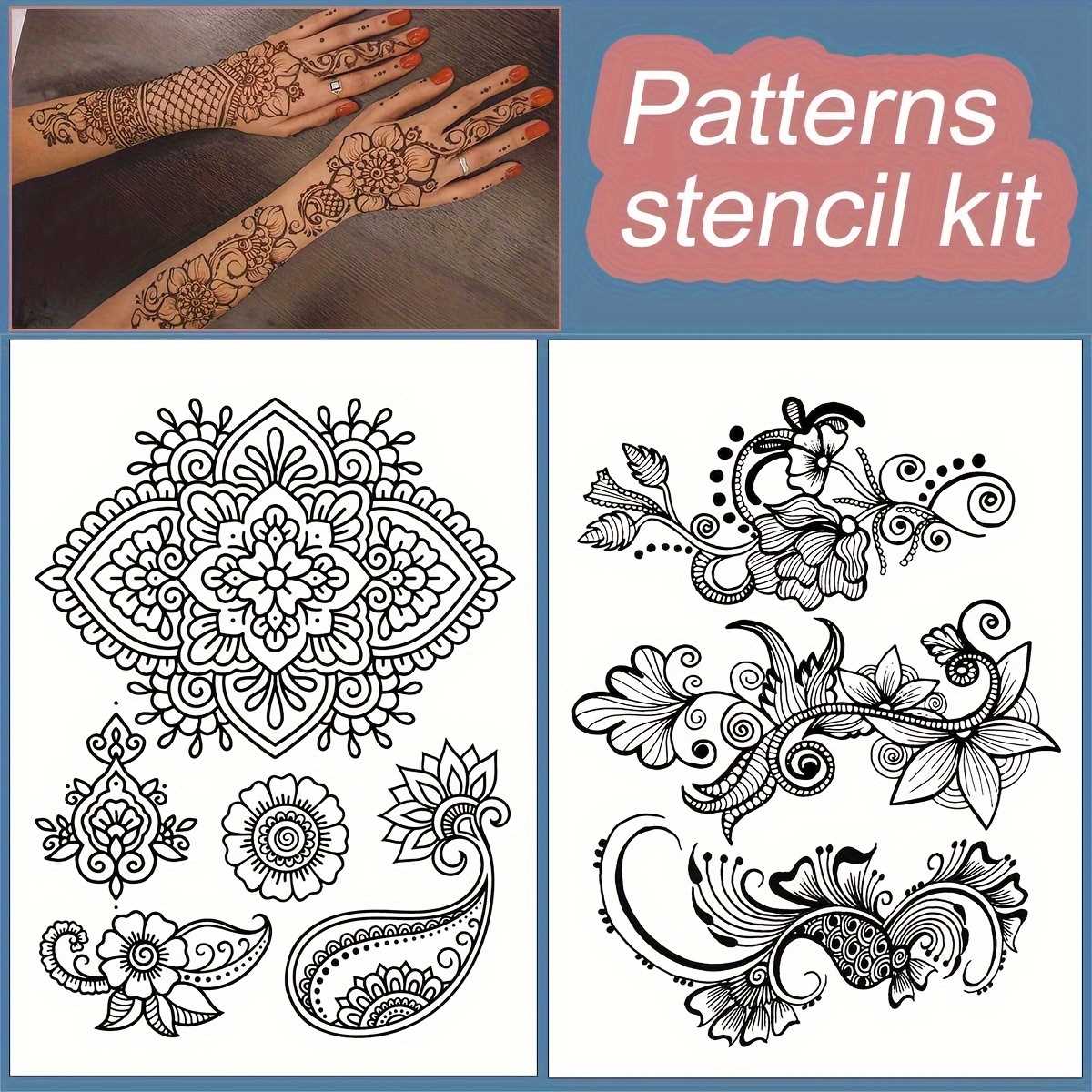
Look for patterns with repetitive motifs. These can help you understand how to maintain consistency in your work, allowing you to focus on hand control rather than the variety of shapes. Repetition also trains your muscle memory for smoother strokes.

Pay attention to the space between the design elements. Designs with evenly spaced parts are easier to execute because you can better judge placement and proportion. Crowded patterns may lead to messy results and lack of clarity in your work.
- Choose designs that highlight symmetry, as they are easier to recreate.
- Avoid designs with heavy shading until you’re comfortable with basic strokes.
- Pick templates that are not too dense in detail to focus on precision.
Test different styles to see what feels most comfortable. Floral motifs are often easier for newcomers, while geometric shapes may challenge your hand steadiness. Don’t be afraid to experiment with both to find your preference.
Finally, keep in mind the surface you’ll be using. Choose patterns that will suit the area where you plan to practice, whether it’s your hand, arm, or a piece of paper. Ensure the design is proportional to the space available for a balanced and clean finish.