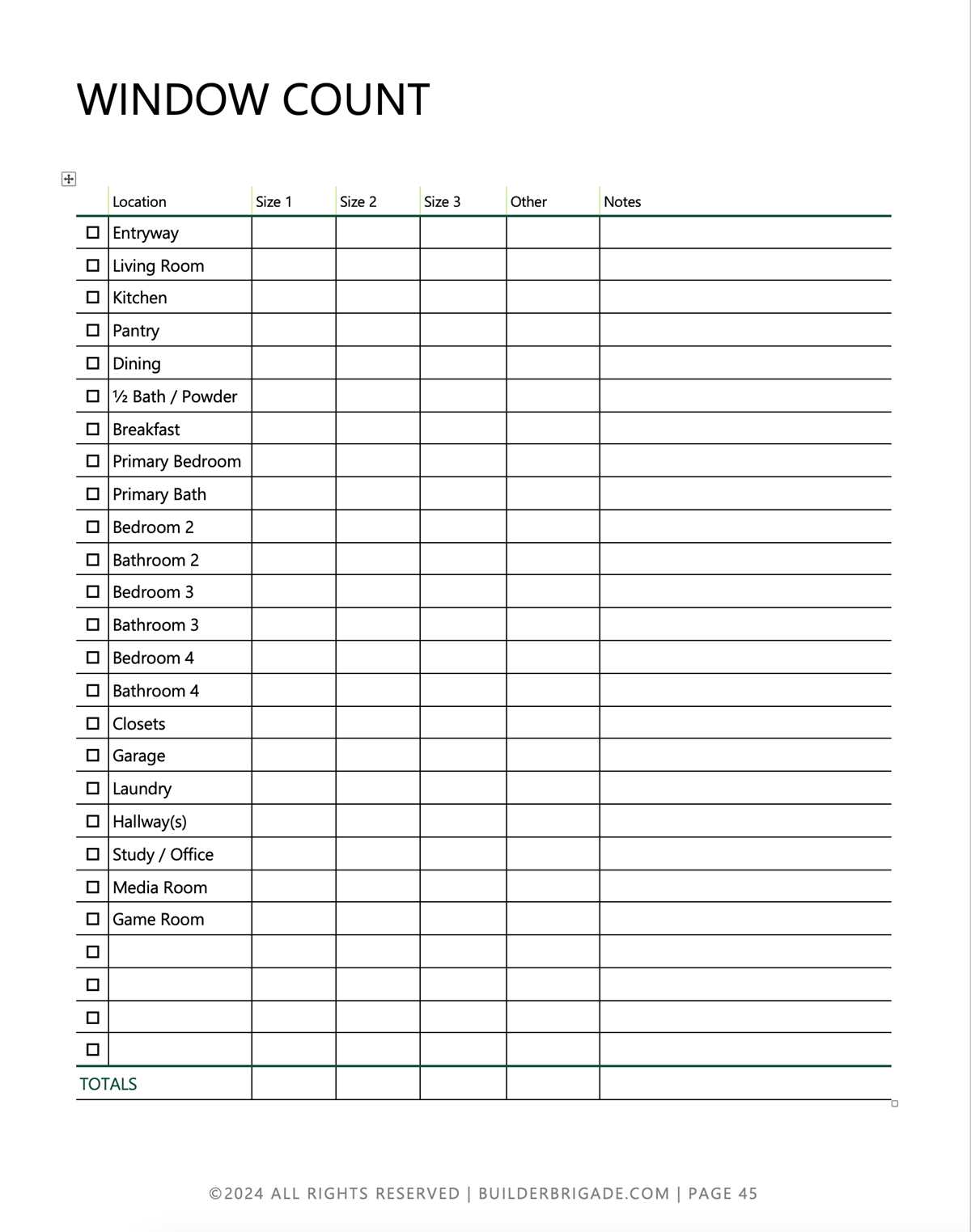
Begin with site preparation. Confirm zoning regulations, utility connections, and conduct soil tests. This groundwork ensures a stable base and prevents delays later on.
After the plot is ready, focus on laying the foundation. Proper excavation, drainage, and reinforcement are critical for durability. Ensure the concrete mix is appropriate for your area’s climate conditions.
Framing follows as the skeleton of your structure. Measure walls, beams, and roofing systems carefully to avoid future alignment issues. Incorporate proper insulation to enhance energy efficiency.
Next, integrate all utilities–electrical wiring, plumbing, and HVAC systems. Set up inspections during installation to verify compliance with local standards. This stage demands precision to avoid costly fixes later.
During the finishing stage, prioritize durability in materials and finishes. Floors, windows, and cabinetry should be high-quality to withstand wear over time. Pay attention to small details like caulking and trim to ensure a polished appearance.
Conclude with a thorough inspection. Check for leaks, unfinished areas, or defects in construction. Completing this final step will give you peace of mind before moving in.
HTML
Step-by-step planning and budgeting for your new home
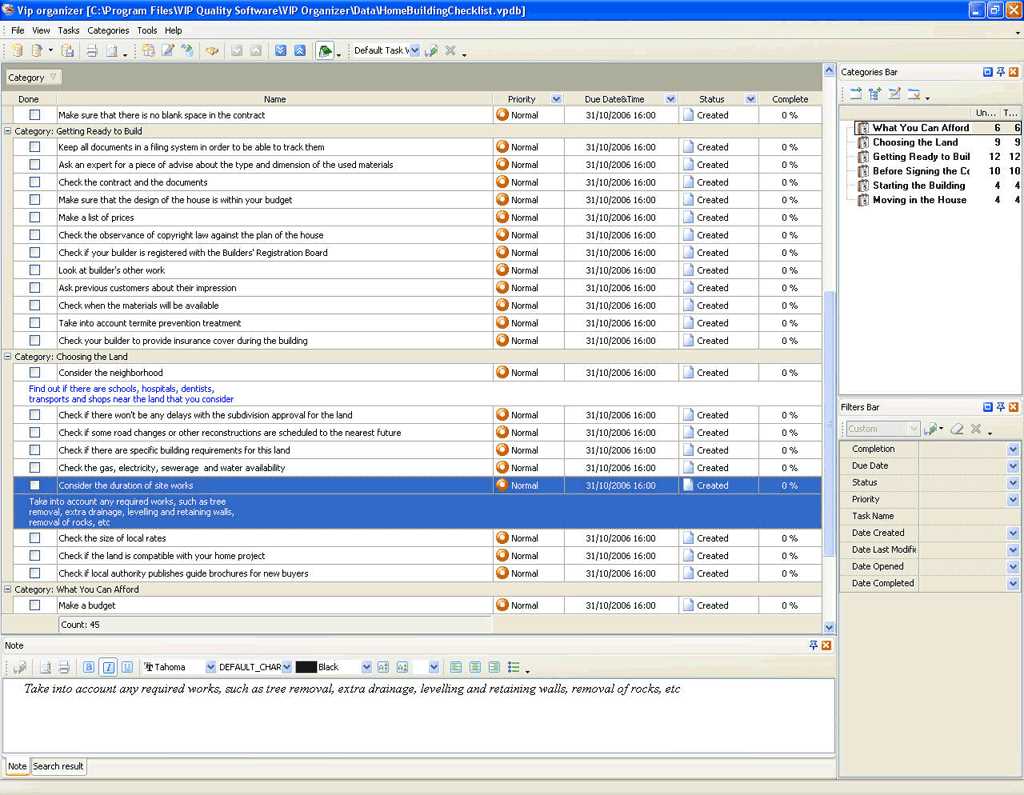
Begin with defining a clear and realistic budget. Start by assessing how much you can allocate without overstretching your finances. Factor in costs for materials, labor, permits, and unexpected expenses. A precise figure will guide every decision, from the design phase to the final touch-ups.
Break down the expenses into categories to track progress. Set aside funds for each phase: groundwork, structure, roofing, utilities, and finishes. Add a contingency fund of 10-15% of the total to cover unforeseen changes or price fluctuations. Prioritize spending based on necessity, especially when dealing with high-impact areas like plumbing or electrical work.
- Design and permits: 5-10% of budget
- Foundation and structure: 30-40%
- Roofing and exterior: 15-20%
- Interior finishes: 25-35%
- Contingency fund: 10-15%
Monitor the progress regularly. Adjust the budget if necessary by re-evaluating priorities. If costs rise unexpectedly, identify areas where savings are possible, such as switching to alternative materials or reducing some non-essential upgrades. Keeping track ensures you remain within your set budget while achieving the desired outcome.
HTML
Key Permits and Approvals Required Before Construction
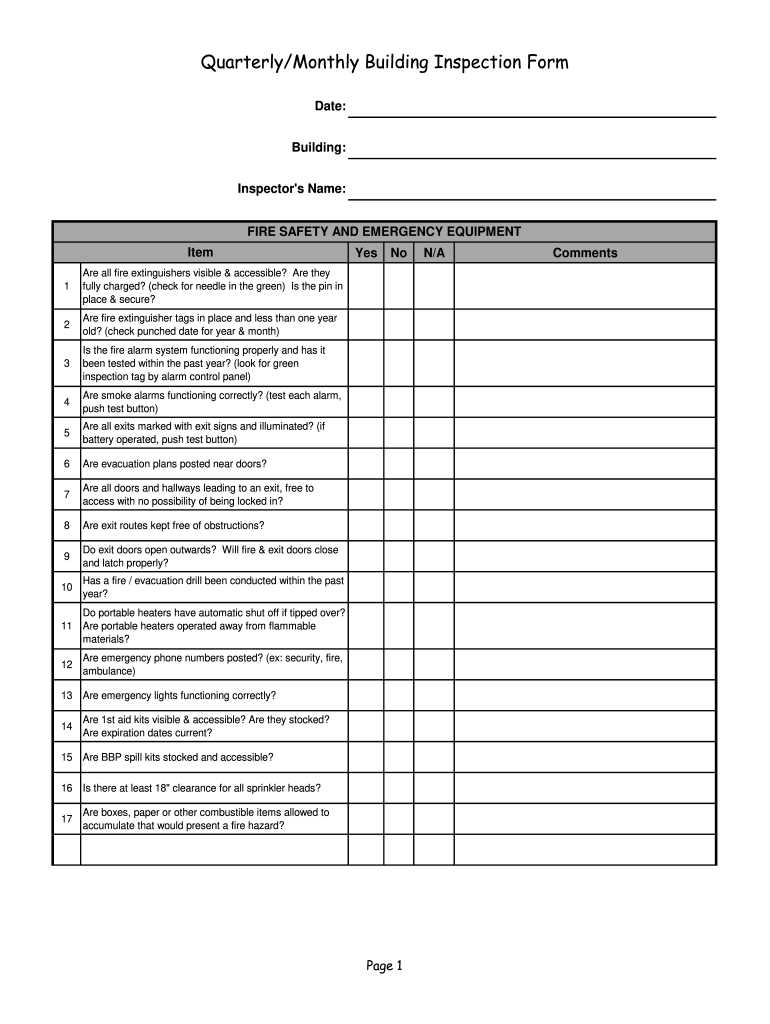
Contact your local municipality to verify zoning regulations before starting any project. Zoning laws dictate what can be built in specific areas and may restrict the size or type of structure. Understanding these rules will prevent any costly delays later.
Obtain a building permit, which is mandatory in most areas for any structural work. This approval ensures the construction meets safety codes, local laws, and construction standards. Failure to secure this permit may result in fines or forced demolition of unapproved structures.
Environmental impact assessments are required if your project affects wetlands, forests, or other protected land. The local environmental authority reviews plans to ensure minimal damage to the surrounding ecosystem. Without this assessment, construction may be halted or delayed significantly.
If your project requires significant excavation, a grading permit may be needed. This ensures proper drainage and soil stability on your site. Poor drainage can lead to future issues such as flooding or erosion, so obtaining this permit early is critical to avoid costly repairs.
If you plan on connecting utilities like water, sewage, or gas, you’ll need approval from local utility providers. Their inspection guarantees all connections are up to code, safe, and reliable. These connections must be signed off before they’re live to avoid serious risks to health and safety.
For projects in historic districts or near landmarks, additional approvals may be necessary. Historic preservation boards must review your plans to ensure they don’t negatively impact the area’s visual integrity. Ignoring these reviews can result in major setbacks and compliance issues down the line.
HTML
Construction Phases and Material Selection

Before starting construction, establish a clear foundation with the right materials. Begin with site preparation, which includes clearing debris, leveling the land, and marking boundaries. Then, pour the concrete slab, ensuring its strength with the proper mix ratio. Reinforced concrete is often preferred for the base to avoid cracking and shifting. Once the slab is set, move on to framing. Use treated lumber for the walls and roof structure, and be sure to account for local climate conditions. For instance, steel or concrete may be needed in areas prone to hurricanes or earthquakes.
The next phase involves roofing and external cladding. Opt for durable materials like asphalt shingles or metal roofing depending on the local weather conditions. Pay attention to insulation as it will significantly impact long-term comfort and energy savings. Ensure proper ventilation throughout the structure, especially in the attic, to avoid moisture buildup. Below is a breakdown of common materials and their benefits in different phases of construction:
| Phase | Material | Benefits |
|---|---|---|
| Foundation | Reinforced Concrete | Durable, prevents cracking, stable |
| Framing | Treated Lumber | Resistant to rot and pests, easy to work with |
| Roofing | Metal or Asphalt Shingles | Weather-resistant, long-lasting |
| Cladding | Vinyl or Fiber Cement | Low maintenance, energy efficient |