HTML
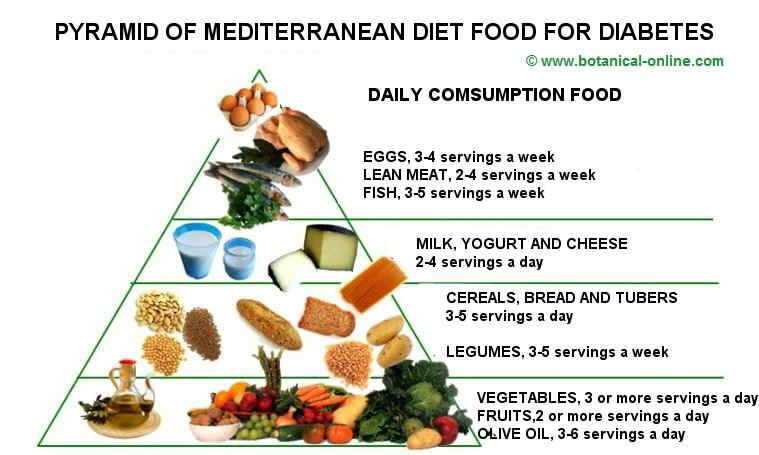
Use a clear and structured visual to help guide your eating habits. A simple graphic can show the types of foods to prioritize, making it easier to make healthier choices daily. This visual guide divides foods into groups, with the most beneficial options at the bottom and those to limit at the top.
Incorporate more whole grains, fruits, vegetables, and healthy fats into your meals. By placing these foods at the base, you are encouraged to focus on nutrient-dense ingredients. The guide also recommends enjoying lean proteins and dairy in moderate amounts. Processed foods should be minimized to improve overall health and well-being.
To get started, download the visual and use it as a reference throughout the day. Review it before meal planning or when preparing your next meal to ensure a well-balanced approach. Consistent use of this tool can help build lasting healthy habits and make it easier to follow a balanced eating pattern.
HTML
How to Read and Interpret the Mediterranean Diet Pyramid
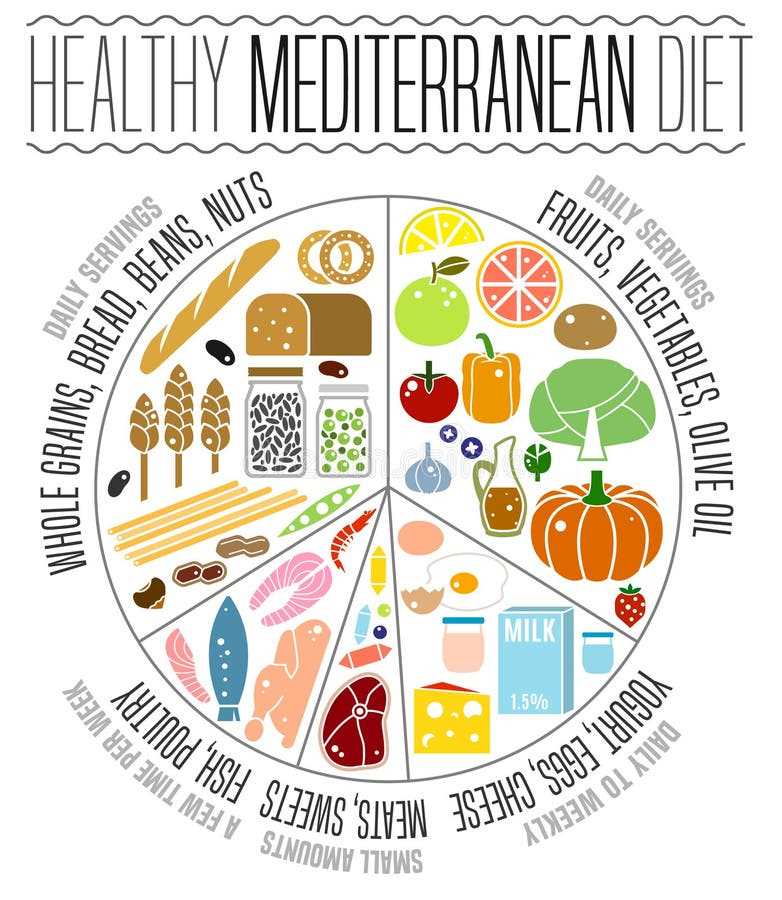
The structure of this visual guide is divided into multiple levels, each representing a different food group. The base of the chart focuses on foods that should make up the majority of your daily intake. These include fruits, vegetables, whole grains, and healthy fats, such as olive oil. Aim to consume these items in generous portions throughout the day.
Above the base, you’ll find foods like legumes, nuts, and seeds. These are still important but should be consumed in moderation. They provide essential nutrients like protein and healthy fats, but excessive consumption can lead to unnecessary calorie intake. Aim for smaller portions compared to the base foods.
The next level consists of moderate portions of dairy, fish, and poultry. These foods provide quality protein, omega-3 fatty acids, and calcium, which are important for overall health. Keep your servings of these foods to a few times a week, rather than daily, to maintain balance.
At the top of the chart, you’ll see processed foods and red meats, which should be limited. These foods are high in saturated fats and sodium, which can negatively impact health when consumed in excess. Reserve these for occasional meals rather than regular parts of your diet.
To properly interpret the chart, follow the proportions shown in each section. The closer to the base, the more frequently and in larger amounts you should consume those foods. The higher up the chart, the less frequent and smaller the portions should be. This visual guide helps create a sustainable, healthy eating pattern that supports long-term well-being.
HTML
Top Food Choices for Each Level of the Mediterranean Diet Pyramid
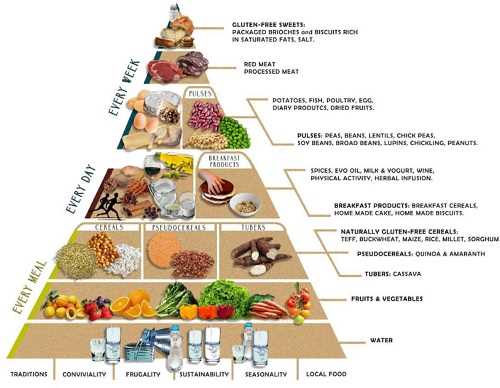
The base of the chart includes foods to consume most frequently. These are the foundation of the eating plan, providing necessary vitamins, minerals, and fiber. Focus on:
| Food Group | Top Choices |
|---|---|
| Fruits & Vegetables | Leafy greens, tomatoes, cucumbers, berries, citrus fruits |
| Whole Grains | Brown rice, quinoa, barley, whole wheat bread |
| Healthy Fats | Olive oil, nuts, seeds |
The middle level includes foods that should be eaten in moderation. These provide important nutrients but are higher in calories or fats. Include:
| Food Group | Top Choices |
|---|---|
| Legumes & Nuts | Chickpeas, lentils, almonds, walnuts |
| Fish & Seafood | Salmon, tuna, sardines, shrimp |
At the top, limit foods that are high in saturated fats or processed sugars. These should only appear in small amounts on rare occasions. Consider:
| Food Group | Top Choices |
|---|---|
| Red Meats | Beef, lamb (consume sparingly) |
| Processed Foods | Pastries, sugary snacks (avoid daily) |
HTML
How to Incorporate the Mediterranean Diet Pyramid into Your Meal Plan
Start by structuring your meals with the foods at the base of the guide. For breakfast, include whole grains like oats or whole wheat toast, paired with fruits such as berries or oranges. Lunch and dinner should focus on vegetables, legumes, and whole grains, such as a quinoa salad with leafy greens, tomatoes, and cucumbers. Use olive oil as your primary fat for cooking or drizzling over dishes.
For protein, include fish like salmon or tuna a few times a week, along with small portions of poultry. Limit red meats and processed snacks. Plan your meals by reviewing the chart each week, ensuring that you’re balancing the food groups properly. You can also prepare dishes in advance, like roasted vegetables or a grain bowl, to make following the guide more convenient throughout the week.