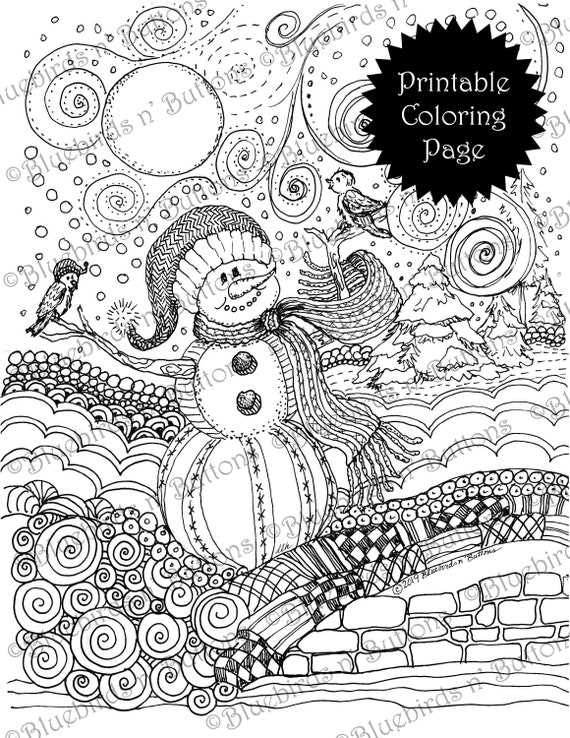
To keep kids entertained while learning, use activities that involve creativity and hands-on fun. Opt for designs that feature familiar themes such as snowflakes, animals, and seasonal scenes. These illustrations will spark the child’s imagination and help them practice fine motor skills.
Print images that are simple yet stimulating, allowing young learners to engage in multiple ways. Choose designs that are easy to fill in but also offer enough detail to keep them engaged for longer periods. Make sure the lines are bold and clear, which will help younger children stay within the borders.
For added value, incorporate educational elements. For example, you can create worksheets that combine these designs with activities such as counting, color recognition, or matching games. This combination not only entertains but also enhances early childhood development.
Winter Themed Activities for Kids
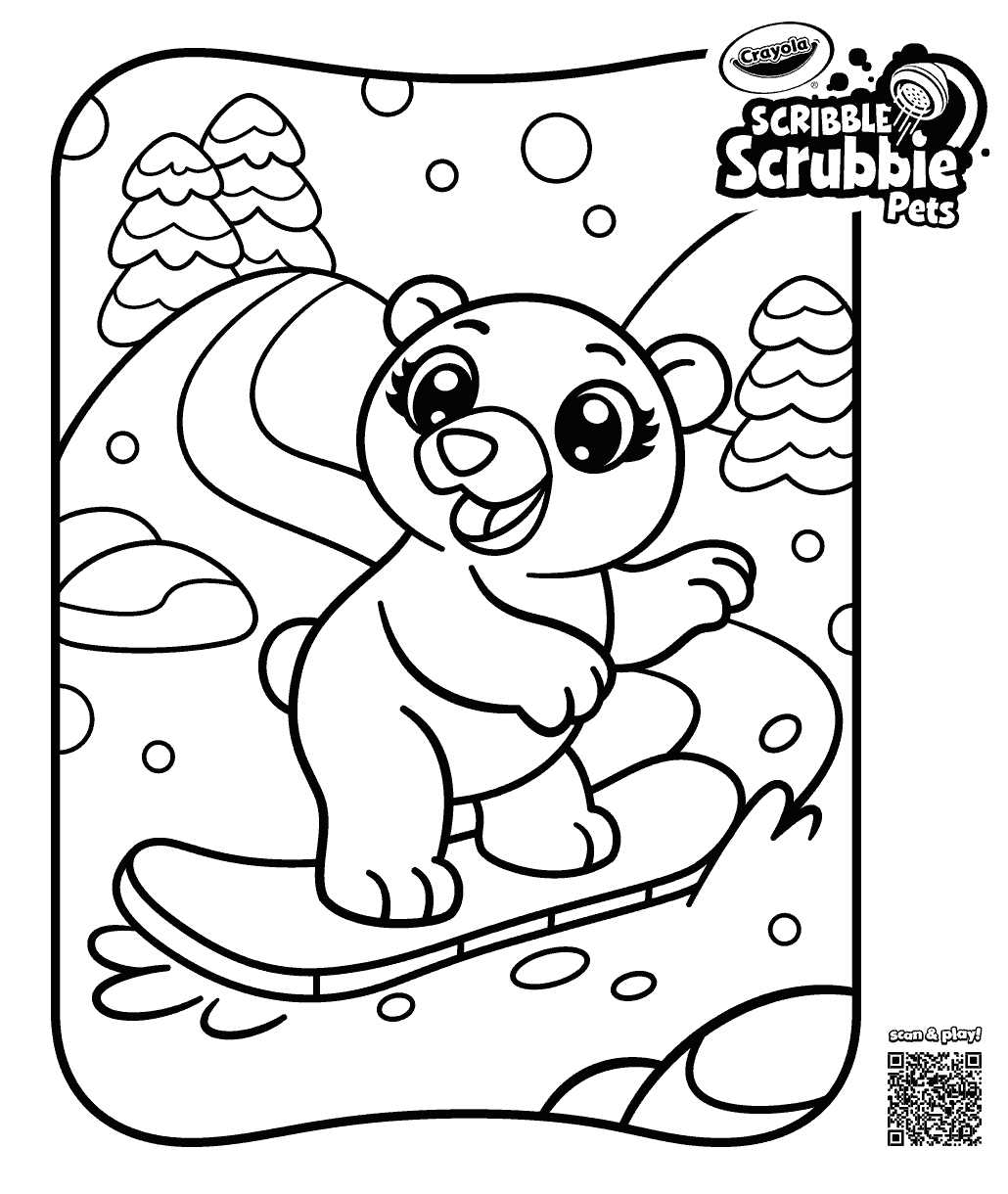
Select simple designs that feature familiar symbols of the season like snowmen, mittens, and animals such as penguins or reindeer. These familiar elements engage children while allowing them to practice their coloring skills. Bold lines and easy-to-recognize shapes will make the task more enjoyable and manageable for young children.
Use designs with varying levels of detail. Some children may enjoy simpler, large spaces to color, while others might be excited by intricate patterns and smaller sections. Offering a mix of both can keep children interested over a longer period of time, ensuring they stay engaged with the activity.
For a more educational experience, incorporate numbers or letters into the design. This could include counting snowflakes or matching letters to the corresponding animals or items. This subtle addition can provide an additional learning experience while still keeping the activity fun.
Choose designs that reflect common activities associated with the season. A child coloring an image of a snowball fight or a child building a snowman can prompt creative thinking and storytelling. Encourage them to describe the scene or create a short story while they work on the illustration.
Another great idea is using color-coded patterns to guide the activity. For example, specify that the snow is to be light blue, the scarf red, and the mittens green. This can help improve color recognition and follow-through while still allowing creative expression within the constraints.
Don’t forget the value of mixing media in these activities. Along with standard crayons or markers, offer some colored pencils, gel pens, or even stickers for added texture and dimension. This can transform a simple activity into a more complex and hands-on experience, encouraging children to explore different artistic techniques.
Consider integrating some crafts with these printable designs. After coloring, cut out certain pieces to create pop-up cards, ornaments, or even small books. These follow-up activities can further enhance a child’s fine motor skills and creativity, making the activity feel more rewarding.
Lastly, make these exercises social by organizing group activities. Children can color together, share their progress, and even exchange their finished work. This not only enhances the fun but also helps with collaborative skills and boosts confidence as they share their creations.
How to Choose the Best Winter Designs for Kids
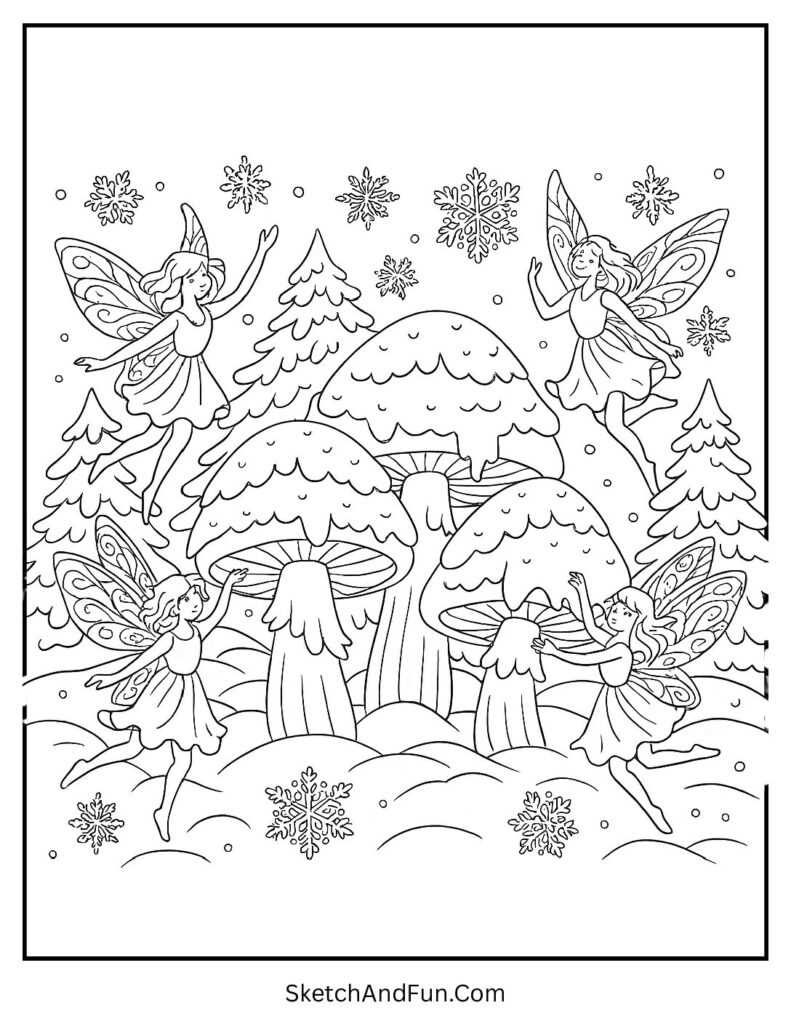
Select designs that are easy for children to recognize and connect with. Images of familiar seasonal elements, such as snowflakes, trees, or animals, help maintain interest and keep kids engaged while they work on their tasks. Look for illustrations that include both simple and more intricate details to suit different age groups and skill levels.
Consider the child’s age and motor skills when choosing the designs. Younger children will benefit from larger, bolder images with fewer details, while older kids may enjoy more complex patterns. This allows them to practice hand-eye coordination and fine motor control without becoming frustrated.
Look for designs that offer opportunities for creativity, such as spaces where children can choose colors or even add their own elements. Giving them freedom to make the design their own boosts their engagement and helps develop their artistic expression.
Choose designs with clear outlines and enough contrast to help children stay within the lines, but not too rigid to stifle their creativity. Bright, bold lines can make it easier for younger kids to color accurately while still offering a fun challenge.
Finally, opt for designs that can be combined with educational elements. Adding numbers, letters, or matching activities alongside the images turns the activity into a learning opportunity. For instance, having children count snowflakes or match animals with their names adds an extra layer of educational value to the activity.