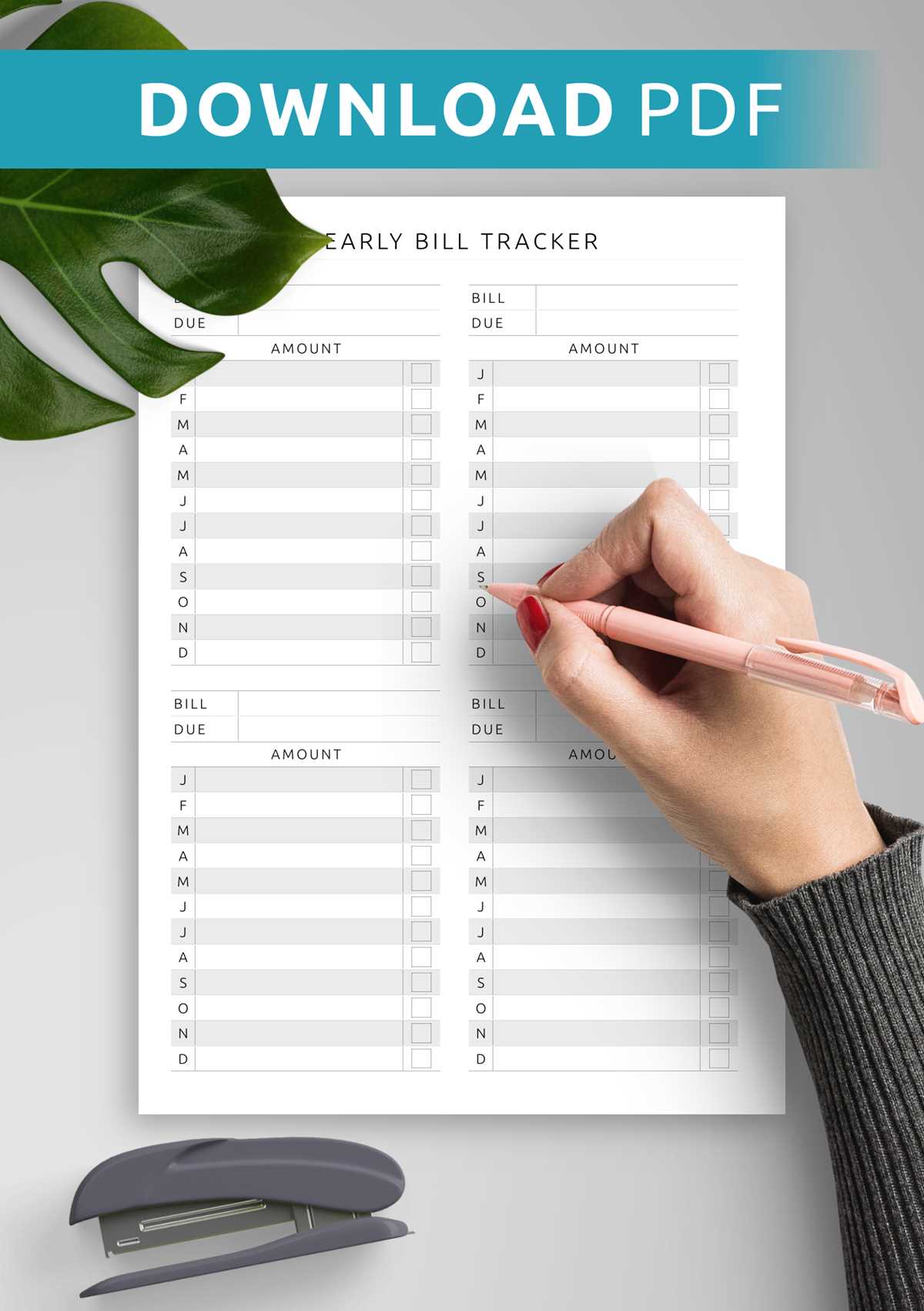
To manage your monthly payments effectively, create a straightforward layout that allows you to track due dates and amounts at a glance. A well-organized document can help prevent missed payments and streamline your financial planning. Focus on including the name of the service, amount, due date, and payment status to keep it clear and concise.
Start by organizing your payments into categories, such as utilities, subscriptions, and loans. For each category, add a column to track payment status (paid or pending) and any relevant notes like changes in amounts or billing cycles. This method lets you stay aware of upcoming costs without overwhelming yourself with too much detail.
Consider using a simple, monthly view to see your financial commitments for the entire year. By laying out all your payments in advance, you can identify patterns in your spending, adjust for any overages, and make better budgeting decisions. Customizing your sheet based on your needs will help you track what matters most to your financial goals.
Organizing Your Financial Commitments with a Simple Template
For streamlined expense management, create a simple document with columns for each payment, including the service name, due date, amount, and payment status. This allows for quick, visual tracking of all your recurring charges, helping you avoid late fees and budgeting mistakes.
Start by grouping your payments into categories like utilities, insurance, and subscriptions. This structure makes it easier to focus on each section individually while still seeing the big picture of your yearly expenses. Color-coding different categories can further improve clarity and speed of access.
Use a calendar format to lay out due dates across the months, or choose a grid format with rows for each payment cycle. This will help you spot overlapping payments and plan accordingly. Be sure to leave space for any irregular payments, like annual fees, so that they’re visible ahead of time.
To track changes in amounts, add an additional column for adjusting totals or noting price increases. This helps with forward planning and makes it easier to adjust your budget as needed. It also ensures that no surprise changes slip under the radar.
Consider adding a section for any pending payments or bills that need to be reviewed. This could include things like disputed charges or upcoming renewals that haven’t been confirmed yet. Having a spot to track these will help you stay proactive about your finances.
Review your document regularly to ensure accuracy, especially if you’ve made any recent changes to your subscriptions or contracts. Tracking your financial obligations this way allows you to stay informed about where your money goes, making it easier to adjust for any unexpected expenses.
Finally, don’t forget to back up your document digitally or keep a copy in a secure location. This ensures you have access to it when needed and can make updates on the go. Tracking your payments visually makes it easier to stick to your budget and reach your financial goals throughout the year.
How to Set Up a Yearly Bill Tracker Template for Accurate Budgeting
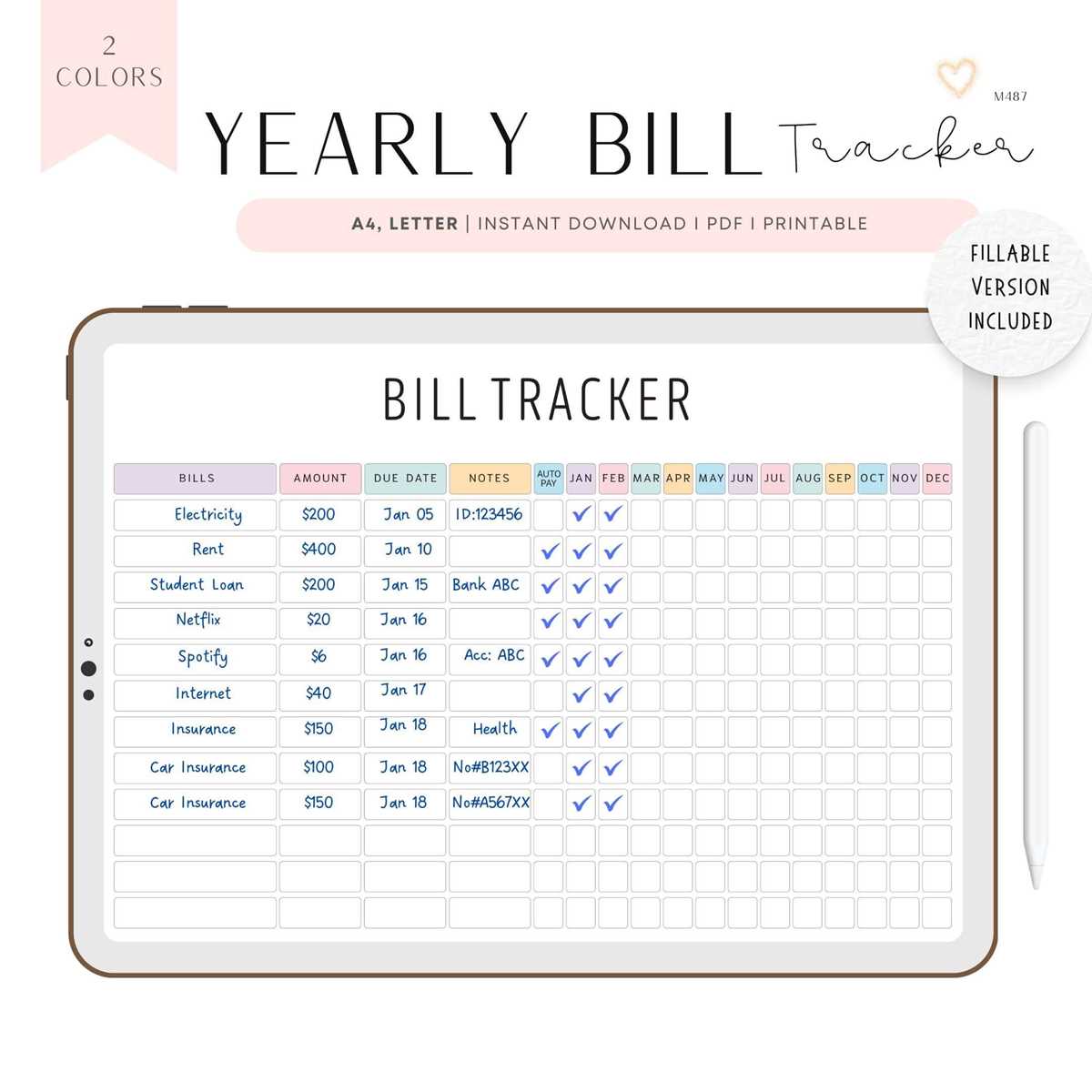
To begin, create a simple table with columns for each month of the year, alongside rows for different recurring expenses like rent, utilities, subscriptions, and loans. Each row should include space for the payment amount, due date, and payment status (paid or pending). By filling this out at the beginning of the year, you will be able to clearly see all your obligations and when they are due, preventing late payments and budget imbalances.
Next, add a section for one-time or irregular charges that might appear throughout the year, such as annual insurance renewals or membership fees. Make sure to account for these in your budget calculations so that you aren’t caught off guard. This approach provides a clear and organized way to manage your finances, allowing for better planning and adjustments as needed.