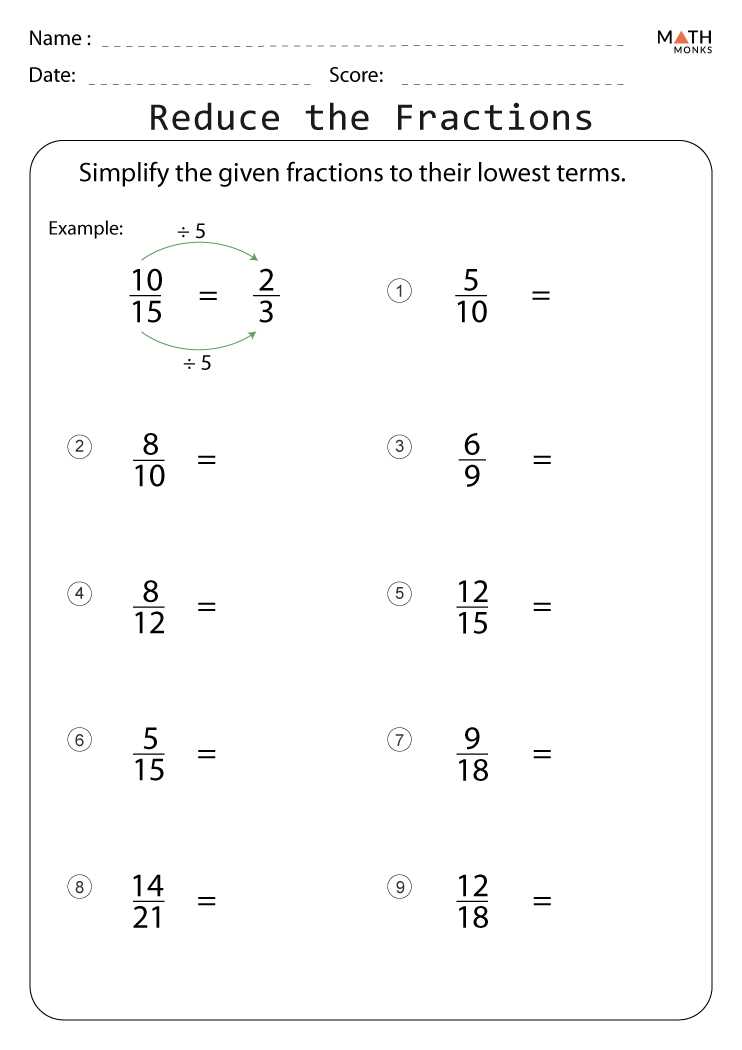
To build a strong foundation in mathematics, start practicing with exercises that break down the key concepts of division and parts of a whole. These tasks are perfect for helping children visualize and understand the relationships between numbers, especially when dealing with simple divisions and equal parts. Use clear, structured tasks that guide learners through each step to reinforce their understanding.
Print out clear and engaging activities that focus on visual representations, such as circles divided into parts or number lines. These activities make it easier for students to see how parts fit into a whole, turning abstract concepts into concrete examples. Keep sessions brief but consistent, introducing new challenges as the learner gains confidence in their abilities.
For more variety, introduce different styles of problems, such as matching tasks, where kids match parts to whole numbers, or story problems that apply real-life scenarios. This will keep the learning experience dynamic and enjoyable, while reinforcing math skills in a way that feels relevant and interesting.
How to Use Math Practice Sheets to Improve Skills
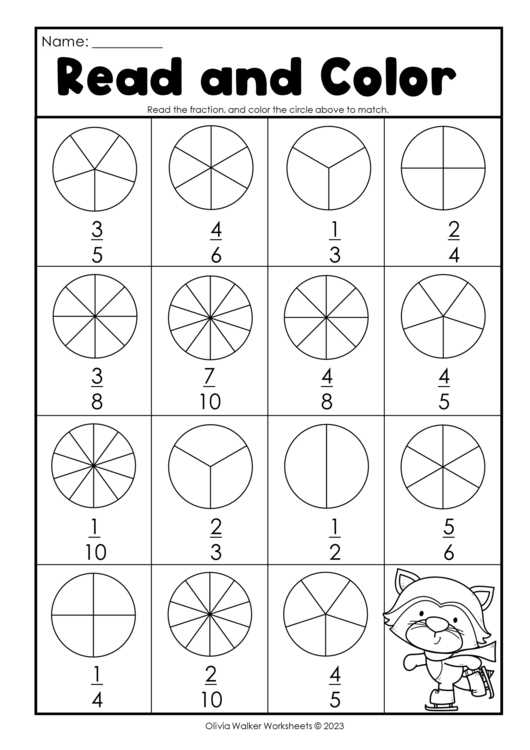
Begin by selecting exercises that focus on simple concepts like dividing whole numbers into equal parts or recognizing parts of a set. This helps students visually understand the connection between numbers and their relationships. Start with basic problems and gradually increase difficulty as the learner becomes more confident in their abilities. Work through problems together to clarify any misconceptions before moving on to more advanced tasks.
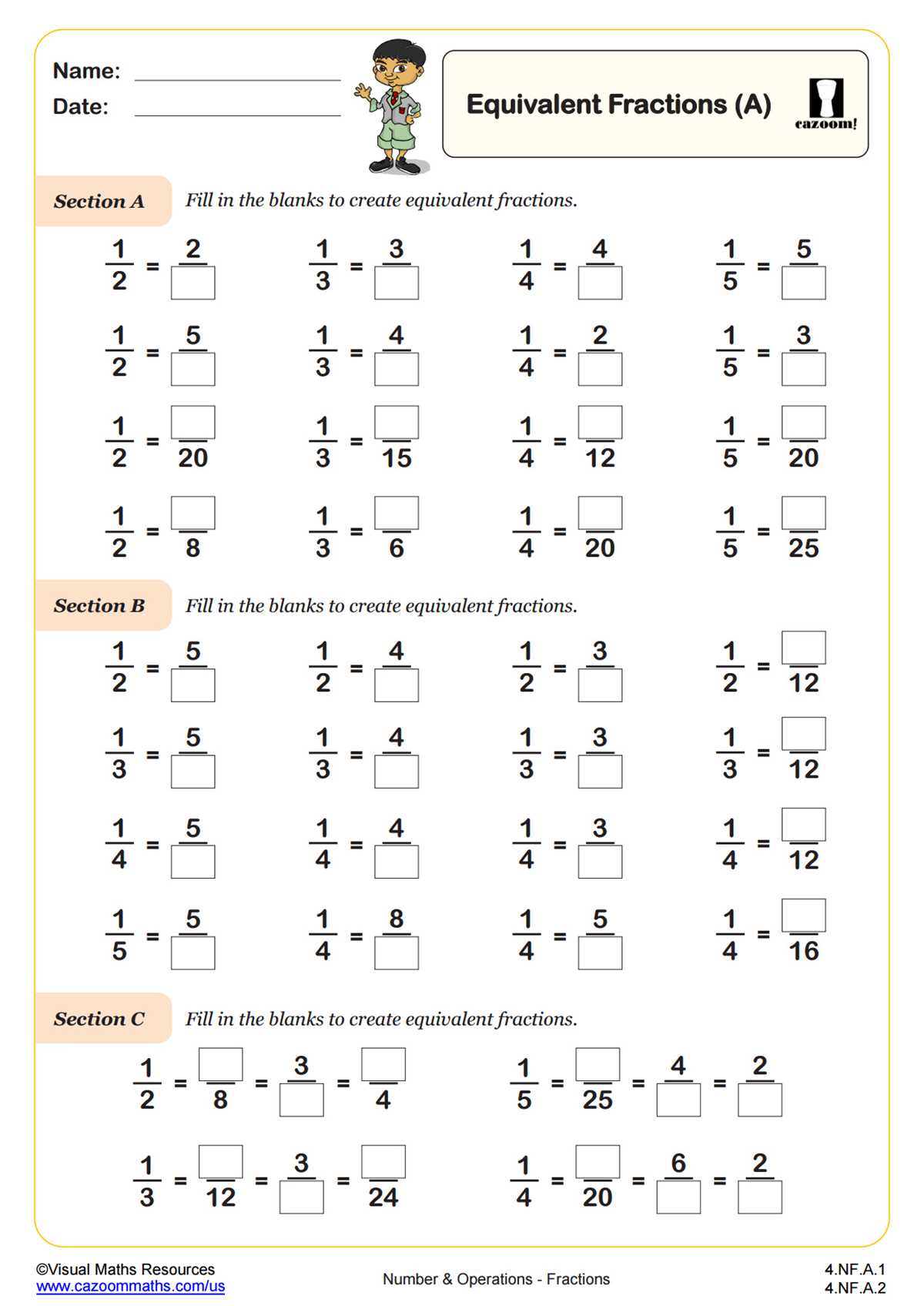
Ensure that the activities include a variety of problems, such as matching, filling in missing parts, or solving problems with real-world applications. These types of tasks encourage deeper understanding and help students see how math concepts apply outside of the classroom. Regular practice, combined with consistent review, leads to faster mastery and strengthens overall mathematical reasoning.
Step-by-Step Guide to Solving Math Problems Involving Parts of a Whole
Begin by carefully reading the problem. Identify what is being asked and highlight any key numbers or phrases. For example, if the question involves dividing a set into smaller portions, identify the total amount and the number of parts required. Understanding the context will give you clarity on what the problem requires.
Next, convert the problem into a mathematical expression. If you’re dealing with parts of a set, write the total number and then determine how to divide it. This step often involves determining the common denominator or simplifying the expression to make calculations easier.
Once you have the mathematical expression, simplify it where possible. For example, reduce the numbers by canceling out common factors. This helps in making the calculation more manageable and reduces the chance of making errors in the next steps.
Proceed to perform the actual division or addition as the problem dictates. If you’re working with multiple parts, remember to break down the calculation into smaller steps. This will ensure accuracy and help you avoid making mistakes when handling more complex problems.
Finally, double-check your result. Revisit each step of the process to ensure all calculations were made correctly and that the problem was understood properly. Practice will help reinforce these steps, allowing you to solve problems faster and more efficiently each time.
Where to Find Free Math Practice Sheets for Learning Parts of a Whole
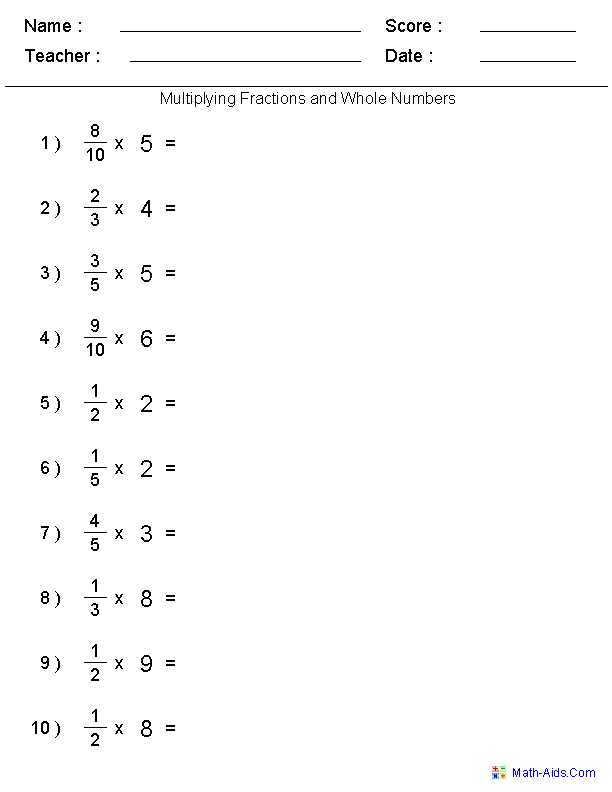
Start by exploring websites like Education.com, which offers a wide range of free learning materials for different grade levels. You can find various exercises to practice dividing numbers and understanding parts of a set. These resources are often categorized by difficulty, so you can select the ones most appropriate for your current skill level.
Another great option is SuperTeacherWorksheets.com, which also provides free printable resources for improving math understanding. Their collection includes activities that focus on comparing portions, solving division problems, and visualizing number relations in an engaging and simple way.
If you’re looking for more variety, check out platforms like Pinterest where educators and parents share free resources. A quick search for “parts of a whole math exercises” will bring up several free downloads for hands-on practice, from interactive activities to traditional exercises.