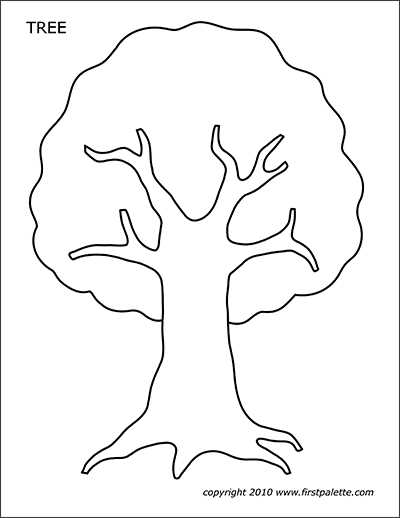
For an engaging hands-on activity, consider crafting nature-themed projects using simple paper templates. These DIY designs are perfect for both young learners and adults looking for a relaxing project. By printing templates of branches, leaves, and other natural elements, you can quickly assemble a decorative item for any occasion. The best part? These templates can be customized to fit different skill levels and materials available at home.
Choose the Right Paper Type – For a more durable model, use thick cardstock or even textured paper. If you’re working with kids, opt for regular printer paper to keep the process easy and accessible. The choice of material can make a significant difference in how sturdy and visually appealing the finished product turns out. If you’re creating a layered structure, such as with a multi-dimensional design, consider using colored papers or printed patterns for a more striking effect.
Step-by-Step Approach – Once you’ve printed your designs, carefully cut out each piece. To create a more dynamic look, try layering different shapes and sizes of paper elements. You can also add extra details like glitter, buttons, or fabric scraps to enhance the finished work. These small details bring a unique touch to each project and can elevate a simple design into a more detailed work of art.
Printable Tree Craft Ideas
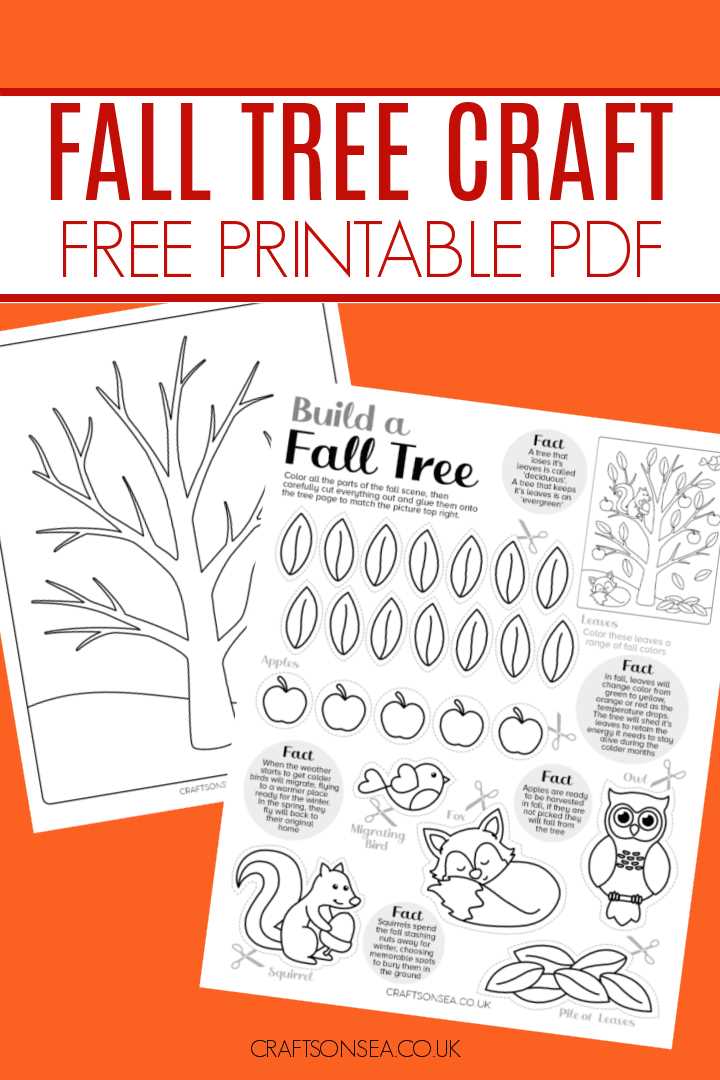
To create a nature-inspired decoration, try using simple cutouts of branches and leaves. You can make a colorful centerpiece by layering different shapes, such as small leaves on a larger branch, giving it a 3D effect. This approach adds depth and texture to your artwork, while still keeping the process quick and easy.
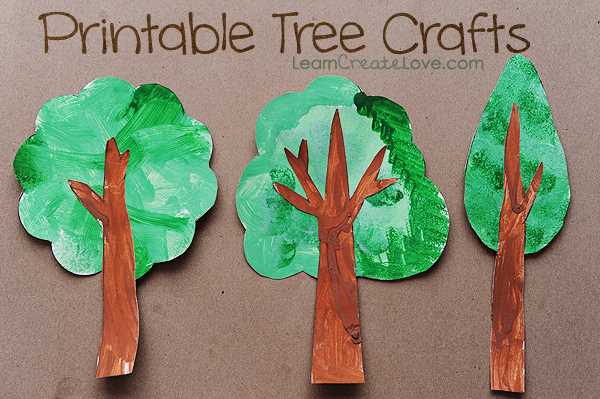
For a more seasonal touch, use autumn-colored papers to design falling leaves. Choose shades of orange, yellow, and red for a vibrant effect. After cutting the leaf shapes, attach them to strings or wires to make a hanging mobile. This is an excellent idea for seasonal décor or classroom projects.
Another great idea is to create a multi-layered structure. Print multiple templates of the same elements but in different sizes. After cutting them out, glue them in a staggered arrangement to give your design a more dimensional look. This technique works well with paper and cardboard and creates a sense of movement and depth.
Make a Tree with Personal Touches – Personalize the project by adding family photos or handprints as leaves. Use hand-shaped cutouts for younger children to make a more interactive and personal design. You can even write short messages or add small drawings to each leaf to create a memorable and sentimental item.
For a more intricate creation, try making a detailed bark texture by cutting thin strips of paper and gluing them onto a brown base. This adds realism to the model and gives it a natural, handcrafted look. Use a dark pencil or marker to add shading and depth to the paper bark for more authenticity.
Another fun twist is to design a “forest” by arranging several different sized branches and leaves in a scene. Each piece can be printed and assembled separately, then glued onto a larger background to create a full scene. Add some small animals or other forest elements for a whimsical touch.
Turn Your Design into a Card – If you’re looking for a more practical use, turn your project into a greeting card. Fold a piece of cardstock and attach a single large leaf or branch to the front. Write a short message inside and send it as a seasonal greeting or thank-you card. It’s an easy yet creative way to combine art and sentiment.
How to Create Simple Printable Tree Templates for Kids
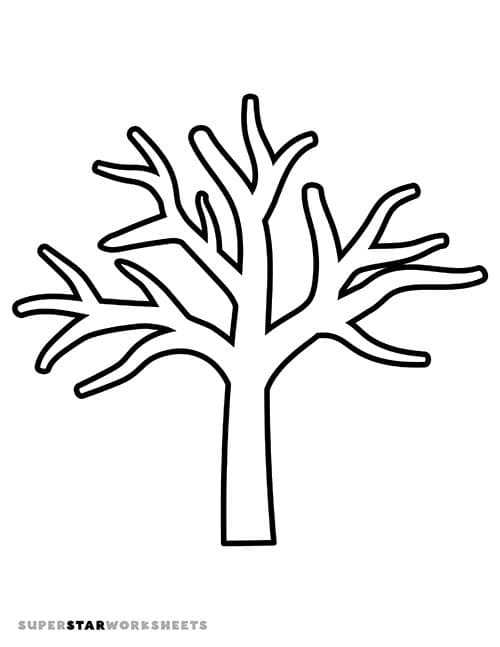
Start by designing basic shapes like circles, triangles, and rectangles to form the main structure of the plant. For younger children, keep the shapes large and simple. Use a basic green triangle for the canopy and a brown rectangle for the trunk. These can be easily printed and cut out by kids or adults for assembling a basic model.
To add more variety, include several different sizes of the main shapes. Small, medium, and large triangles can be stacked on top of each other to create a fuller effect for the foliage. Keep the trunk consistent but try different widths or textures for added interest. Kids can also experiment with cutting out patterns, like zigzags or wavy lines, for the edges of the leaves.
Use Colorful Paper – Choose bright colors for different elements. For instance, use vibrant oranges, yellows, and reds for leaves, and shades of brown for the trunk. This makes the project more engaging for children and visually appealing. You can even print out the elements in a variety of colors and let the kids pick their favorites to create their unique version.
Once you’ve printed the shapes, cut them out and allow the children to assemble them in a variety of ways. For a 3D effect, stack multiple layers of smaller leaves on top of larger ones, or glue some pieces at an angle. This adds dimension and makes the activity more interactive and creative.
Incorporate Nature Elements – If you want to make the activity more educational, introduce real-life aspects such as adding textured paper for bark or using actual leaves for a more natural feel. Show the kids different leaf shapes and sizes, encouraging them to recreate these features in their models. They can use real leaves as templates to trace and cut out new designs.
Interactive Additions – Add fun details to the project by creating small animals or birds that can be placed on the branches. Simple shapes like circles for heads and small rectangles for bodies can form cute little critters. This adds a storytelling element, where children can act out scenes or make up their own stories using their creations.
For a simple finishing touch, encourage the kids to add small details like little flowers, fruits, or even a swing on the branches using colored markers or stickers. This turns a basic paper model into a more personalized and enjoyable activity. The final creation will not only be fun to make but will also give them a sense of accomplishment.