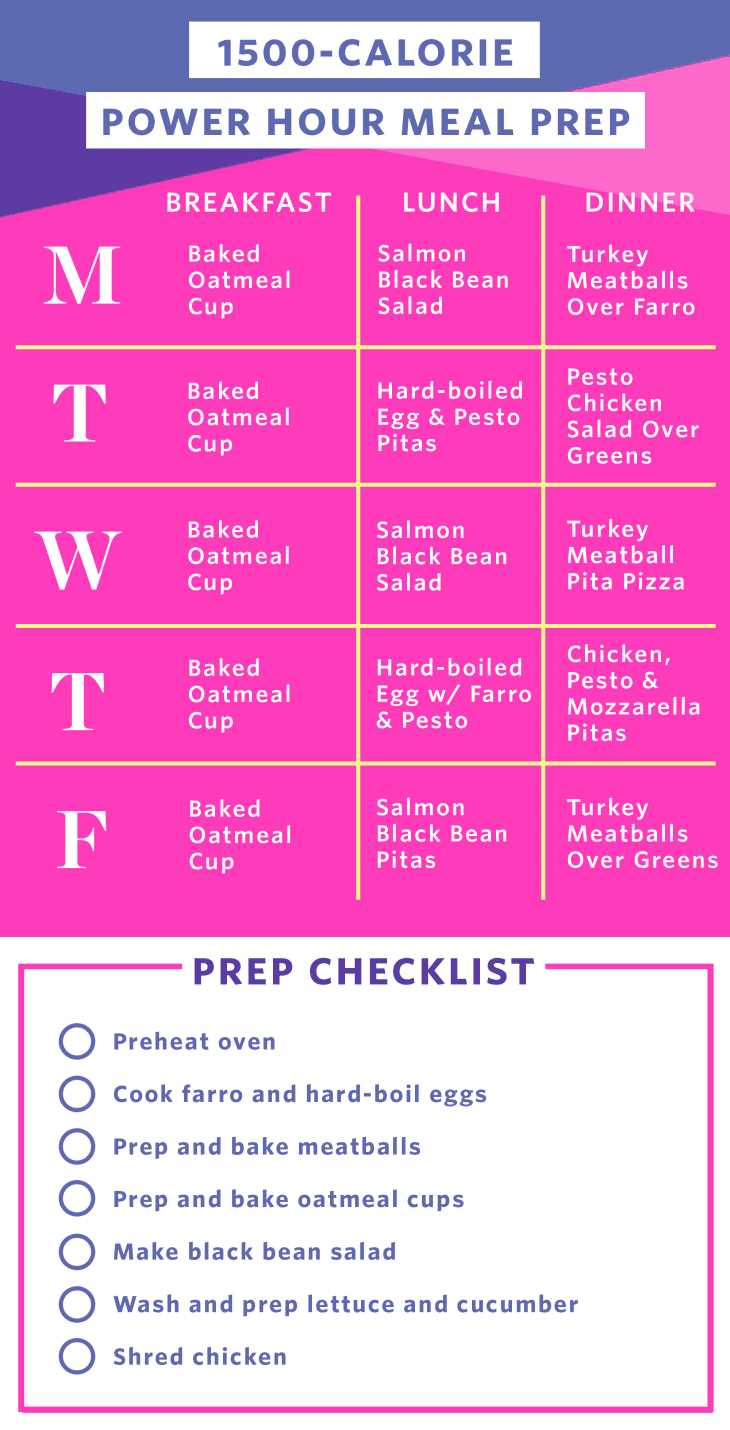
To successfully manage weight, you need a balanced approach that doesn’t sacrifice nutrition. Start by focusing on high-protein, low-carb foods to keep hunger in check while ensuring proper energy levels throughout the day. Incorporate fresh vegetables, lean meats, whole grains, and healthy fats into your daily meals for a nutritious and satisfying experience.
For breakfast, choose options that combine fiber and protein, such as eggs with spinach or oatmeal with a handful of berries. Midday meals should be rich in vitamins and protein, such as grilled chicken with quinoa and a side of leafy greens. For dinner, opt for lighter but filling dishes like salmon paired with roasted vegetables or a hearty vegetable stir-fry.
Snack smartly throughout the day with healthy options such as nuts, yogurt, or fruit. By focusing on the quality of your meals rather than just portion control, you’ll feel full and energized without overeating. This approach can help you stick to a calorie goal that promotes both long-term weight management and general well-being.
1500 Calorie Daily Menu for Balanced Nutrition and Weight Loss
Start each day with a breakfast that combines protein and fiber to keep you full. A great option is a scrambled egg with spinach and a small portion of whole wheat toast. This will provide you with the energy to kickstart your day while keeping your calorie intake in check.
For lunch, focus on a mix of lean protein and vegetables. A grilled chicken salad with avocado, mixed greens, and a light vinaigrette offers healthy fats and protein, helping curb hunger without packing in extra calories. Aim for a variety of vegetables to ensure you get a range of nutrients.
Afternoon snacks should be satisfying but not heavy. Opt for low-fat Greek yogurt topped with a handful of berries or a small portion of nuts. These snacks offer protein and healthy fats, which help stabilize blood sugar levels and prevent overeating later in the day.
For dinner, choose lean fish like salmon or a plant-based protein like tofu, paired with roasted vegetables and a small serving of quinoa or brown rice. This combination provides a balanced mix of protein, healthy fats, and carbohydrates to keep you full through the night.
Hydration is key, so make sure to drink plenty of water throughout the day. Avoid sugary drinks, and opt for herbal teas or water infused with lemon or cucumber for added flavor. Balancing your daily intake with nutrient-rich meals will help you achieve and maintain a healthy weight.
HTML
How to Create a 1500 Calorie Daily Meal Plan
Begin by dividing the intake across three main meals and two snacks. For breakfast, aim for 300–350 calories with a balance of protein, healthy fats, and complex carbs. A good choice could be a boiled egg, a slice of whole-grain toast, and some avocado. Midday and evening meals should each fall between 400 and 500 calories, with lean protein sources like chicken or fish, a variety of vegetables, and a small portion of whole grains such as quinoa or brown rice.
Snacks should be light but satisfying, providing 100–150 calories. Opt for a handful of nuts, a serving of Greek yogurt, or some fresh fruit. Prioritize nutrient-dense foods that contribute to long-term satiety. Be mindful of portion sizes, and make sure each meal includes a source of fiber to help with digestion. Tracking and adjusting based on how your body responds can ensure that the daily intake remains consistent and balanced.