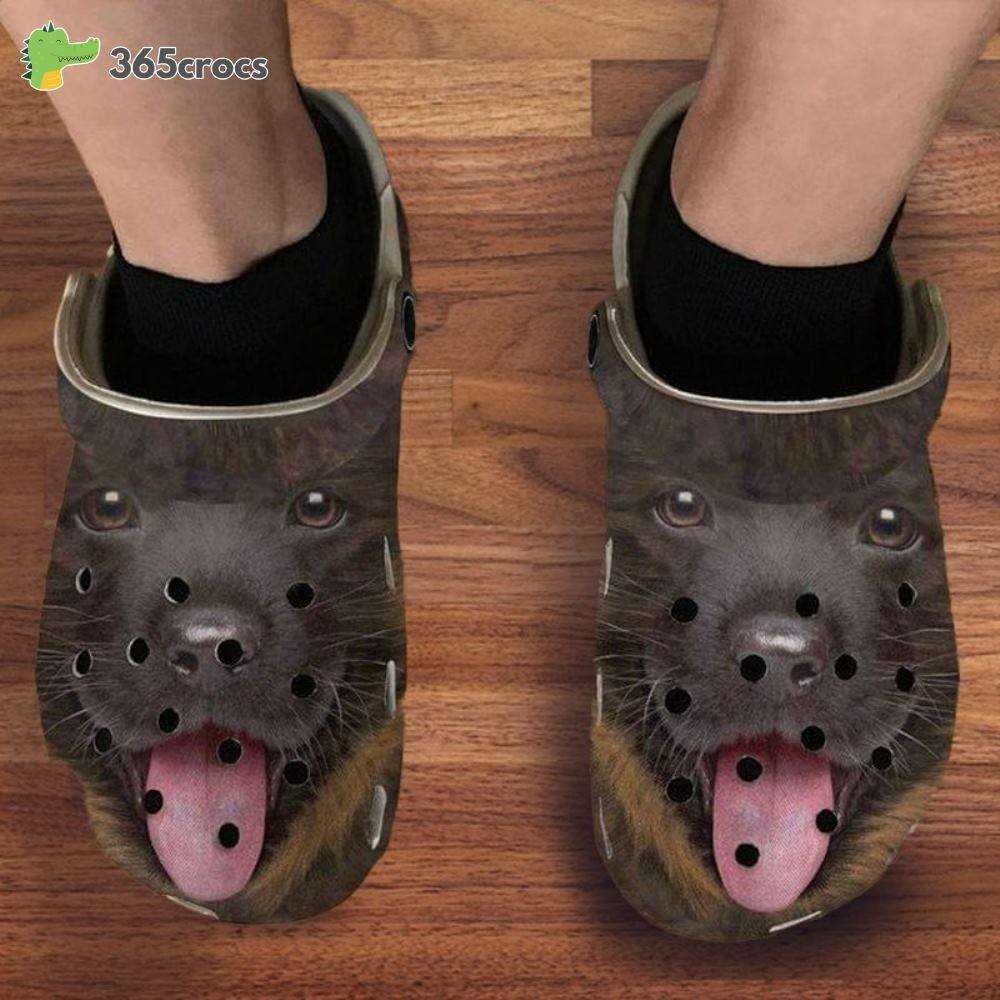
Start by selecting the right material for your 3D shoes. For durability and comfort, consider flexible filament like TPU (Thermoplastic Polyurethane), which mimics the feel of traditional footwear while maintaining structural integrity. PLA is another option for non-flexible designs but may lack the comfort required for daily wear.
Once the material is chosen, move on to the design phase. Use 3D modeling software such as Blender or Tinkercad to create your custom shoe. Make sure to adjust for sizing and fit based on foot measurements, ensuring that the model is comfortable and practical. Pay attention to the sole thickness and cushioning to replicate the feel of commercial footwear.
After finalizing the design, check the compatibility of your 3D printer. High-quality prints require a printer with precise calibration and enough bed space for larger models. For successful assembly, print your design in segments, especially for intricate parts like straps or detailed patterns, then assemble the pieces using strong adhesives or small screws.
3D Printable Footwear Design
For creating a customized shoe model, use flexible filaments like TPU or TPE. These materials provide comfort and durability, essential for footwear. Standard PLA is not suitable for flexibility and may lead to discomfort during use. Ensure your design accounts for the material’s properties, especially for the sole, which needs to offer adequate support.
In terms of design, focus on the fit and foot arch. Consider user-specific foot dimensions, such as width and length, to ensure comfort. Online tools like Tinkercad can be useful for beginners, while more advanced software like Fusion 360 allows for precise customizations. Make sure to integrate ventilation holes for breathability and avoid overly complicated patterns that may reduce the shoe’s overall strength.
Before printing, verify that your 3D printer is calibrated correctly. Make sure the print bed can accommodate the size of the model. Print in sections if needed, especially for larger designs, and use support structures for complex parts. Keep an eye on the layer height–higher resolution prints tend to offer better results for fine details like straps or intricate designs.
After printing, post-processing is key. Sand any rough edges, especially around the seams. You might also want to consider coating the printed pieces with a protective sealant to increase durability and resistance to wear. Finally, if you’re assembling multiple parts, use a strong adhesive or screws for a secure fit. Customizing colors or adding accessories like charms can also enhance the design and personalize your footwear.
Choosing the Right 3D Printing Materials for Custom Footwear
For comfortable and durable footwear, TPU (Thermoplastic Polyurethane) is the best material to use. It has the necessary flexibility and elasticity to mimic the feel of traditional shoes. This makes it ideal for creating custom designs that need to endure daily wear. TPU is highly resistant to abrasions and is waterproof, making it suitable for outdoor use.
If flexibility is less of a concern, consider PLA (Polylactic Acid) for the upper part of the design. It is a more rigid material and can be used for decorative elements or non-flexible parts of the footwear. PLA is easy to print and offers a wide range of color options, but it may not provide the comfort needed for soles or areas requiring flexibility.
Another option is TPE (Thermoplastic Elastomer), which is a great middle ground between PLA and TPU. It offers a rubber-like texture, providing both flexibility and durability. TPE is less brittle than PLA and more cost-effective than TPU, making it an appealing choice for those seeking balance between comfort and budget.
For aesthetic elements, consider using specialty filaments like glow-in-the-dark or metal-infused options. These materials can add a unique look to your custom footwear. However, be aware that these specialty filaments often require higher print temperatures and more precise printer settings to achieve optimal results.
Before committing to a material, check if your 3D printer supports the chosen filament. Some filaments require specific print bed temperatures or extruder modifications, which may not be compatible with all printers. Ensure your printer can handle flexible materials if you plan to use TPU or TPE for the entire design.
Finally, consider the environmental impact. PLA is biodegradable and more eco-friendly compared to other plastics like ABS, which can emit harmful fumes during printing. If sustainability is a priority, opting for PLA or recycled filaments is a good way to create custom footwear with less environmental impact.