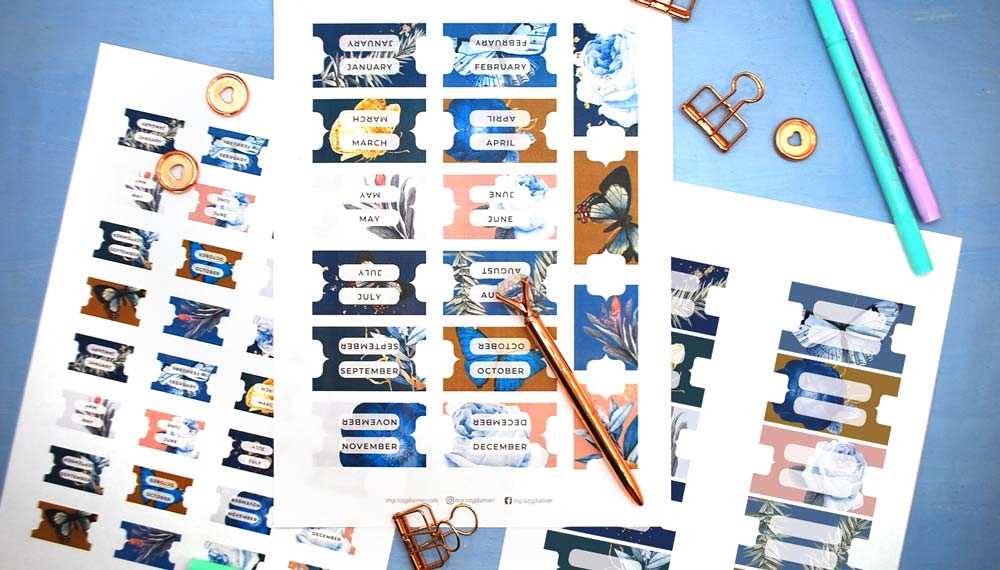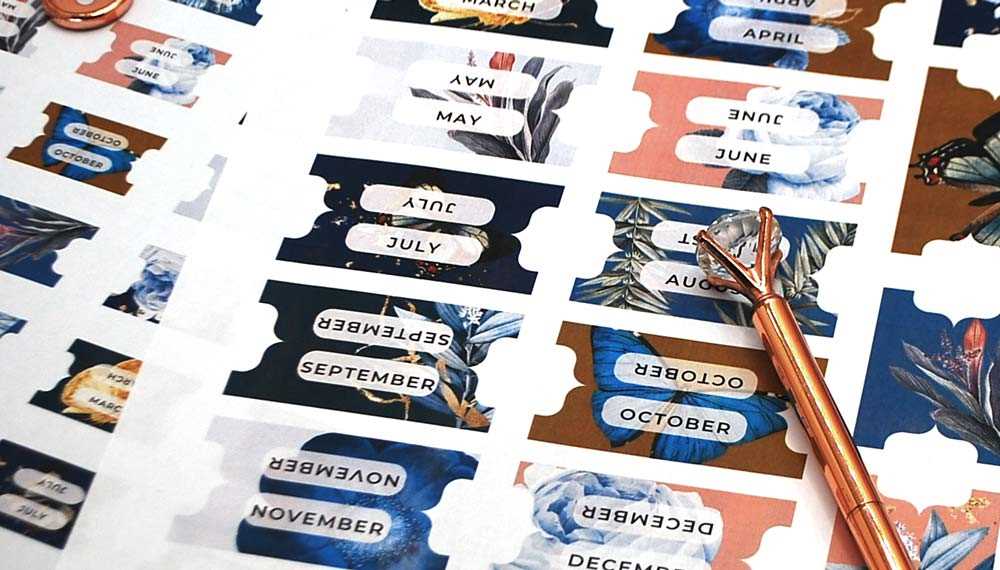
To streamline your organizational system, start by using custom-made labels for your folders. These can be easily printed and adjusted to fit any size, allowing for quick identification of your materials. Select a design that fits your needs, whether you prefer simple or colorful options, to maintain a clean and efficient filing system.
Choose a template that allows flexibility in customization. Many online platforms provide free templates in different styles, from minimalist to more decorative options, which can be printed directly from your computer. Be sure to select the format that aligns with your filing structure for optimal usability.
After printing, you can use a variety of materials such as clear adhesive sheets or sturdy cardstock for better durability. Customizing the labels with handwritten or printed text ensures that each folder or section is easy to navigate, making your storage system more intuitive and user-friendly.
Creating Organized Labels for Files and Folders
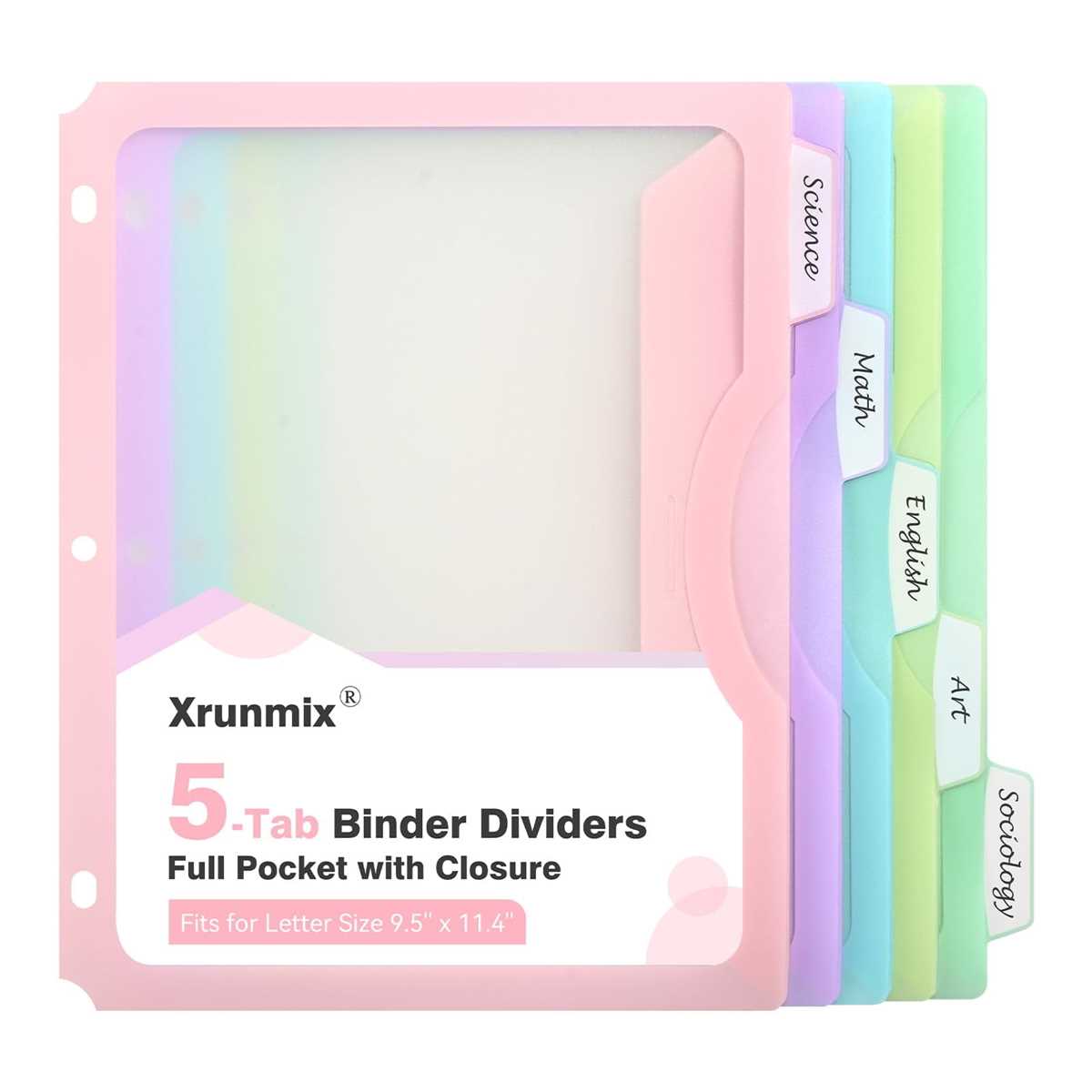
Start by selecting a template that fits your organization system’s size and structure. Templates are available in various formats such as Word or PDF, and many can be customized online before printing. Choose a format that allows easy editing and lets you add the categories you need, like dates or specific names.
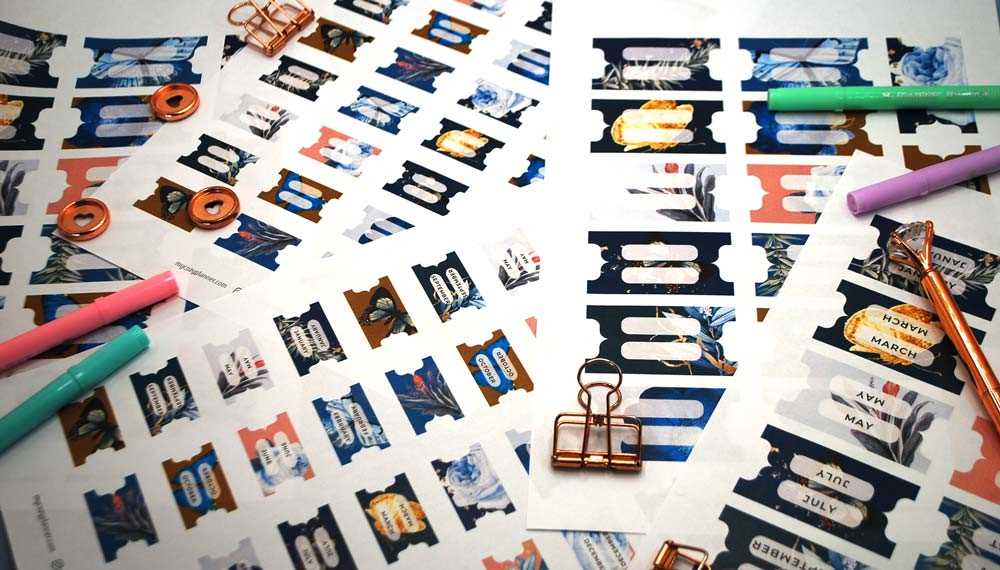
Once you have the template, customize it to suit your needs. Adjust the font size, style, and layout for maximum clarity. Labels should be clear and concise, with bold headings or colors to differentiate sections. For a personalized touch, consider using a color code or icons next to each label to further streamline the sorting process.
For durability, use thick paper or laminate the labels to avoid wear and tear. You can also print them on adhesive sheets for easy attachment to your folders. Ensure that the labels align properly to maintain an organized and professional appearance across your storage system.
How to Choose the Right Template for Organizational Labels
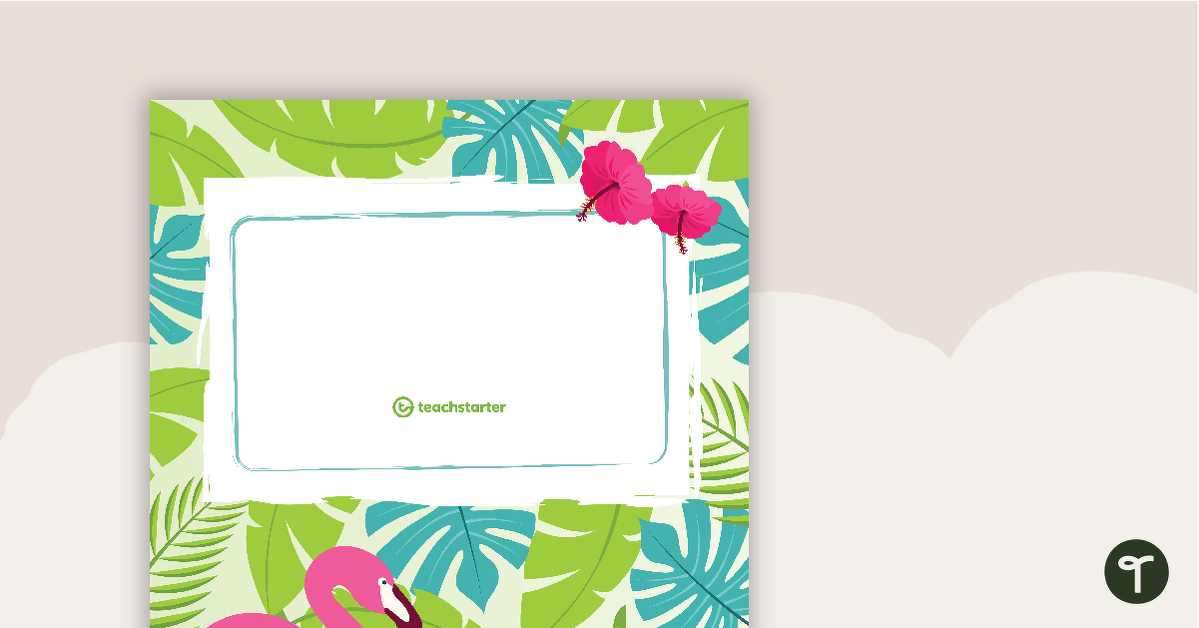
Start by determining the size and structure of the items you need to organize. Some templates are designed for narrow sections, while others are made for larger areas. Be sure to select a format that matches the dimensions of your folders, files, or storage units.
Next, decide on the level of customization you require. Some designs offer simple, plain labels, while others include decorative borders, icons, or colors. If you prefer a minimalist approach, opt for a clean design without distractions. If you want something more personalized, choose a template that allows for color changes, font adjustments, and the addition of logos or images.
Consider the amount of text you need to include. If your categories are short, a compact label will work best. For longer headings or descriptions, choose a template with more space for text. Avoid overcrowding the label with too much information to maintain readability.
If the labels will be used frequently or in environments where they may get damaged, choose templates that offer options for durability. Some designs allow for printing on thicker materials, while others can be laminated or transferred to adhesive sheets for easy application.
Think about the overall style you want for your organization system. Templates range from formal, professional styles to more playful or creative designs. Select a template that aligns with your personal preferences or the environment where the files will be used, such as an office, school, or home setting.
It’s also helpful to look for templates that offer alignment guides. These ensure your labels print correctly, reducing errors when cutting and attaching them. Some templates include grid lines, while others are designed for easy use with standard-sized paper.
Check the file format of the template. PDF and Word documents are often the easiest to edit and print, but some may require specific software. If you’re unsure, verify that your computer can open and modify the file before proceeding with the download.
Finally, ensure that the template you choose is compatible with your printer. Some designs may require special paper sizes or higher-quality printing options. Always test a sample label to confirm that the print quality meets your expectations before starting the full print job.