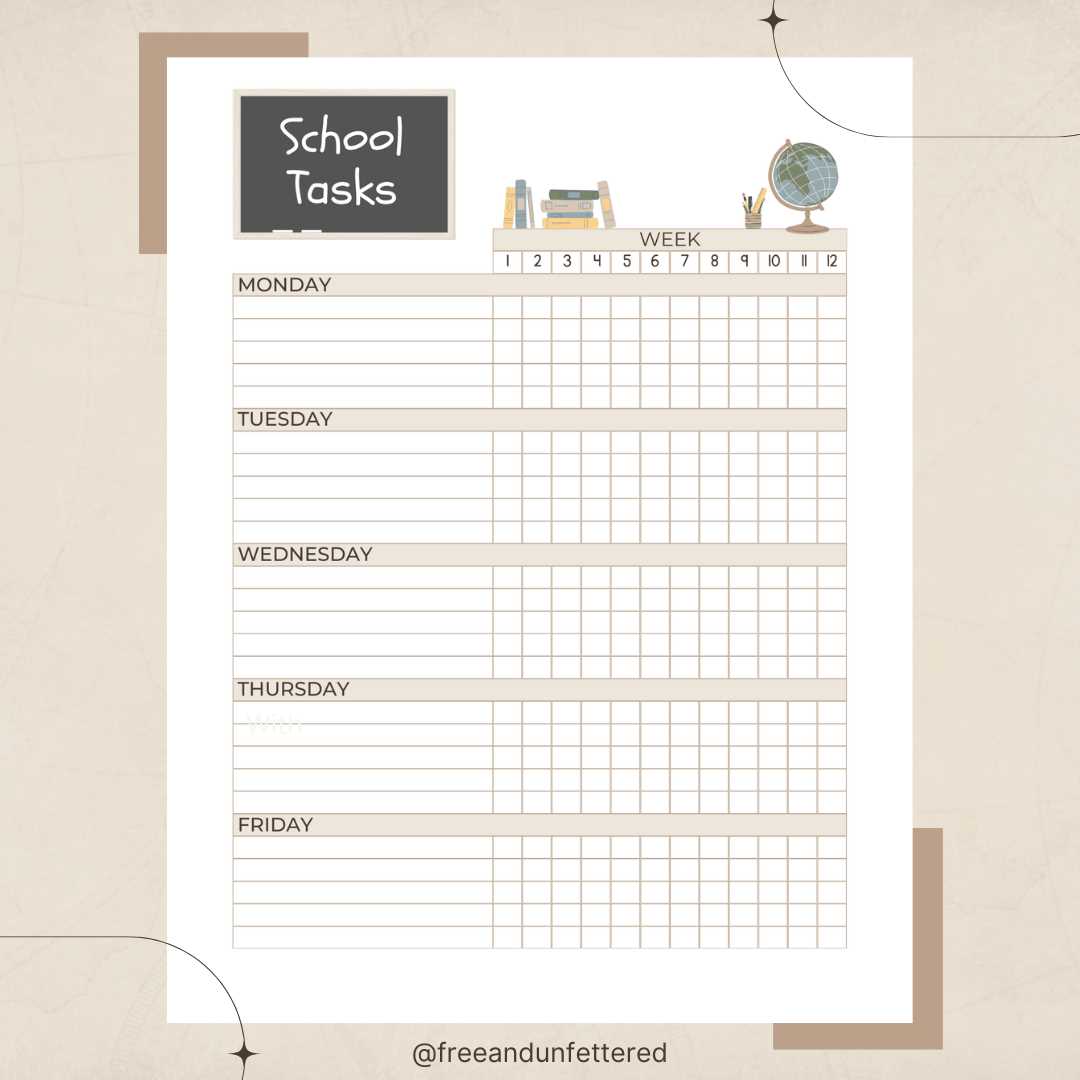
To create a smooth and effective learning environment, start by dividing the day into structured time blocks. Assign specific periods for lessons, activities, and breaks. This helps maintain focus and ensures that your child stays engaged throughout the day without feeling overwhelmed.
Consider customizing each block to match your child’s energy levels. Morning hours might be best for subjects that require more concentration, such as math or reading, while afternoon periods can be reserved for creative tasks like art or outdoor activities. By planning around their natural rhythms, you can make learning both productive and enjoyable.
Incorporating variety throughout the day can also keep things interesting. Rotate between individual work, group activities, and interactive lessons to prevent monotony. Be sure to include short breaks in between lessons to give your child time to recharge, so they can return to their tasks with a refreshed mindset.
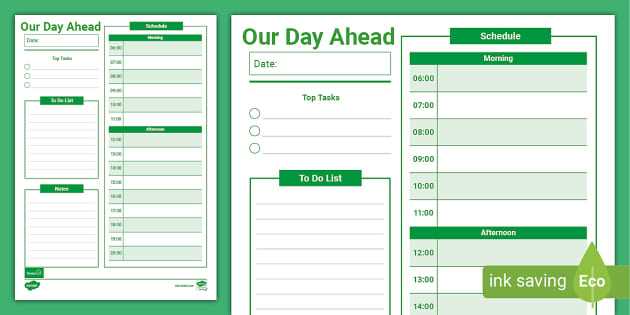
Homeschool Daily Schedule Template
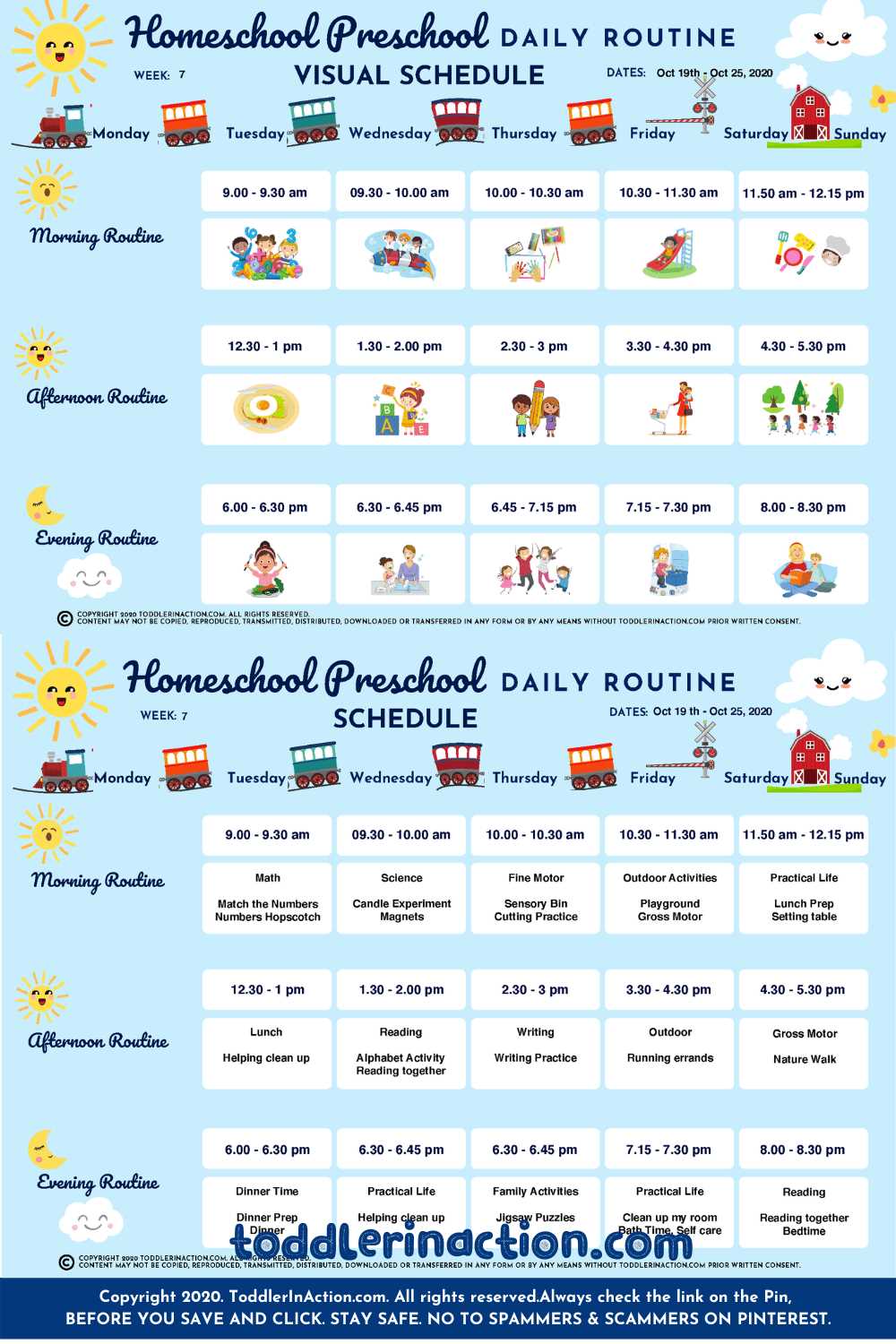
Start the morning with a consistent routine to ease into learning. Set aside time for subjects requiring focus, like math and reading. Early hours are ideal for these tasks, as children are often most alert during this period.
Allocate specific time blocks for each activity. It’s helpful to keep each session short and engaging. Younger children may focus best with 20-30 minute sessions, while older kids might be able to handle 40-45 minute lessons. This helps maintain attention and ensures each subject gets its due time.
Incorporate movement throughout the day. A quick physical activity between subjects can boost energy levels and improve focus. A 5-10 minute break, such as stretching or jumping jacks, helps children stay energized and reduces restlessness.
Set aside independent learning time. This allows children to complete tasks on their own while you attend to other matters. It encourages responsibility and gives them a sense of accomplishment. For younger learners, activities could include reading or simple assignments, while older kids can work on projects or problem-solving exercises.
Take a break for lunch and relaxation. This gives everyone a chance to recharge and step away from their lessons. Use this time for a healthy meal and perhaps a brief walk or outdoor play to refresh before resuming work.
Use the afternoon for creative activities or subjects that require less structure, such as arts, crafts, or music. These subjects allow kids to explore their creativity and provide a fun contrast to the more academic parts of the day.
Conclude the day with a review or reflection period. Ask the children what they’ve learned, or revisit key points from the lessons. This helps reinforce the material and gives them a sense of completion for the day’s activities.
How to Create a Structured Routine for Learning
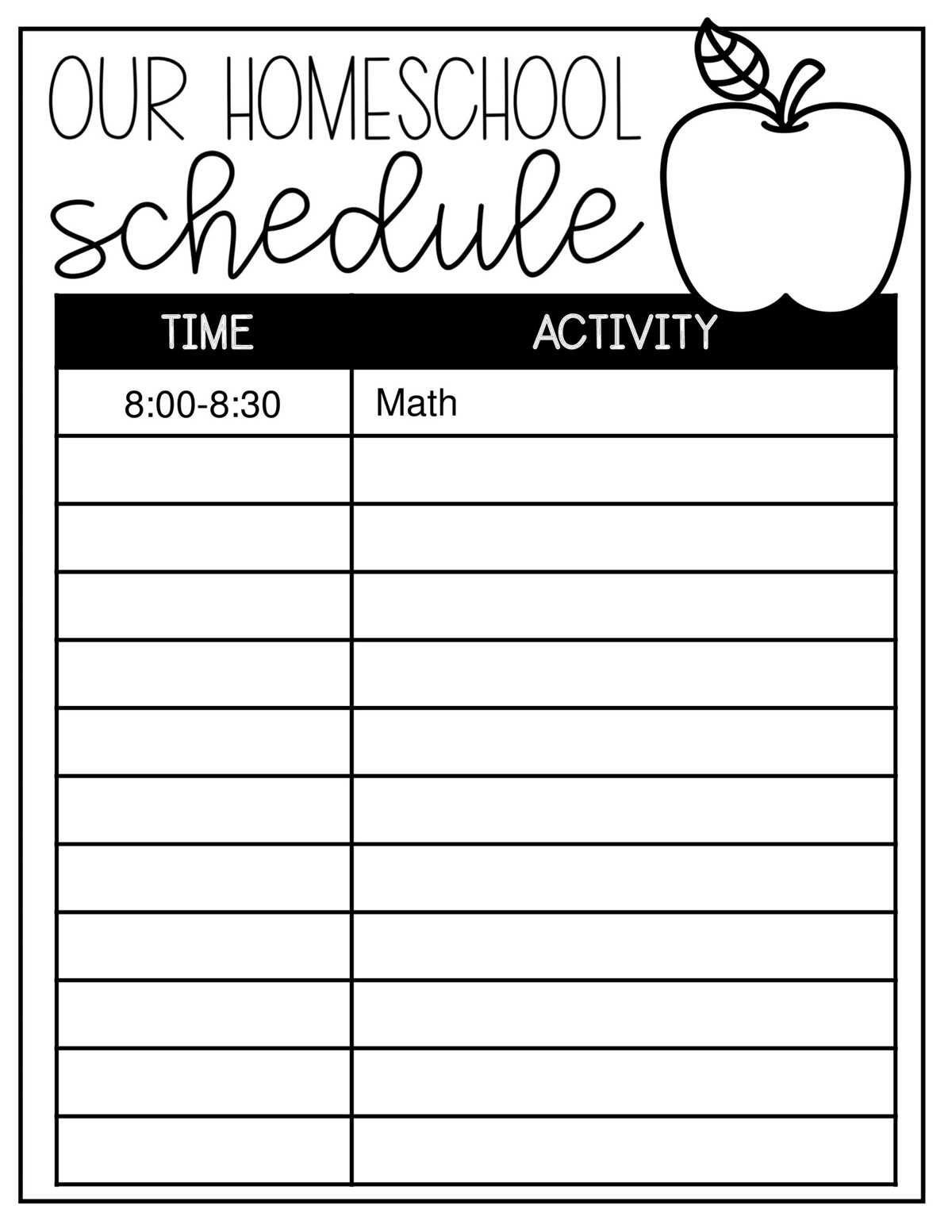
Begin by setting a consistent start time each morning. Having a specific time to begin ensures that the day is structured and children know what to expect. Aim for a time when the child is well-rested and ready to focus, typically after breakfast.
Divide the learning day into manageable blocks, with each session dedicated to a specific subject or activity. For example, assign one block to mathematics, followed by language arts, then a creative session. Keeping each block to around 30-45 minutes helps maintain attention and prevents fatigue.
Introduce regular breaks between each session. A short break of 5-10 minutes to stretch, walk, or grab a snack can recharge the mind. This break also prevents children from becoming overwhelmed by long periods of focused work.
Assign specific time for independent work. This could involve reading, practicing writing, or solving problems. Allowing children to work independently helps them develop self-discipline and confidence in their abilities. Be available to support them when needed, but encourage autonomy.
After completing the structured work, include time for physical activity. A short walk or exercise can provide an energy boost and improve focus. Physical movement is essential for maintaining motivation, especially during long days of learning.
Ensure there is a time for a proper meal, allowing kids to relax and recharge. Lunchtime should be planned for a balanced break, with plenty of time for conversation or relaxation. A healthy meal keeps energy levels up for the remainder of the day.
In the afternoon, switch to creative activities or less structured learning. This can include art, music, or science experiments. These activities allow for creative expression and provide a change of pace from the more academic subjects, helping to keep the day engaging.
End the day with a review of what was learned. Have the child reflect on their work and share what they enjoyed most. This review reinforces the lessons and gives a sense of accomplishment, helping the child transition smoothly into free time or rest.