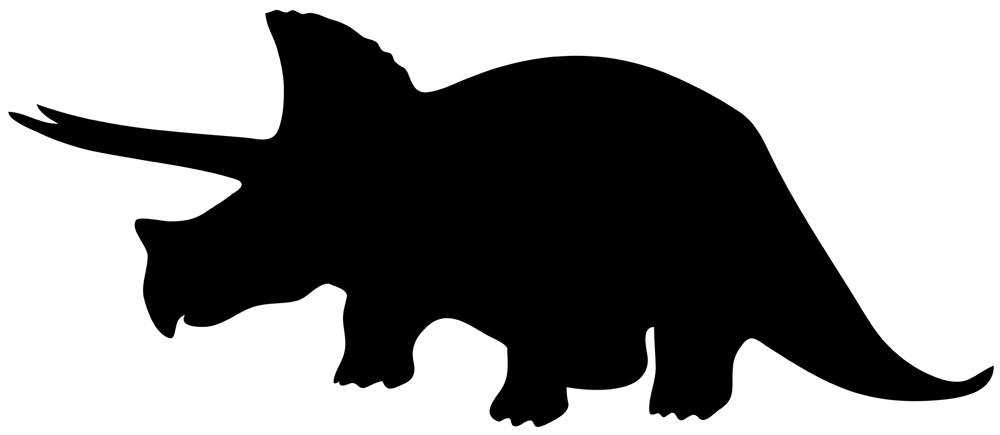
Start by selecting a variety of different reptilian shapes that represent the most well-known species. Choose designs that are easy to cut out and offer a range of complexity, from simple outlines to more detailed forms. This will allow you to adapt the project to different age groups or skill levels. Use high-contrast colors for the background to help the figures stand out, making it easier for children to work with the templates.
To make the activity more engaging, pair each outline with educational facts. For example, you could include a brief description of the creature, such as its diet, habitat, or time period. This will make the activity not only fun but informative. Encourage children to color in the figures, making the process interactive while reinforcing their learning.
Another idea is to turn the shapes into a game. After printing them out, kids can arrange them based on size, type, or period of extinction. This adds an element of organization and categorization, making the learning experience even more dynamic.
Creating Engaging Reptile Outlines for Crafts and Learning
Choose high-quality, clear outlines that feature a variety of prehistoric creatures. Ensure the edges are sharp and clean, making it easier for children to trace or cut them out. The designs should range from simple, block-like shapes to more intricate figures with detailed body features.
Consider including a mix of popular species, such as the T. rex, Triceratops, and Brachiosaurus. These recognizable creatures will capture children’s attention and help them identify different types of reptiles from various periods. You can also add some lesser-known creatures for an educational twist.
Provide printable versions in various sizes to accommodate different skill levels. Younger children might find it easier to work with larger figures, while older kids can challenge themselves with smaller or more detailed designs. This way, you can cater to a wide range of ages and abilities.
To make the activity more engaging, introduce coloring or painting tasks. Encourage kids to fill the outlines with different shades, teaching them about the color patterns or environments of the creatures. You can even suggest painting a simple background to add context to the figures.
For a more interactive experience, turn the outlines into a matching game. Print out multiple sets of creatures and ask the children to group them according to traits like size, shape, or diet. This will add an educational element to the activity while keeping it fun.
Another great idea is to add texture to the creatures. After printing the outlines, children can use materials like cotton, fabric, or paper to create raised features such as scales or spikes. This adds a sensory aspect to the activity, making it more tactile and hands-on.
Incorporate educational trivia by adding brief facts about each creature next to its outline. For example, explain whether the species was herbivorous or carnivorous or share interesting details about its size or habitat. This makes the activity informative as well as enjoyable.
Finally, consider using these outlines as a starting point for a larger project. For example, children can create a full diorama featuring their outlined creatures, incorporating other elements like trees, rocks, and mountains to make the environment more immersive. This can turn the simple task of coloring into an extensive learning and creative experience.
How to Create Dinosaur Outlines for Arts and Crafts Projects
Start by selecting clear, simple shapes that represent the most recognizable prehistoric creatures. Choose a variety of body types, from large, towering figures to smaller, more agile ones. These different forms will offer options for a range of skill levels, from beginners to advanced crafters.
Use basic software or online tools to create outlines from images of these creatures. Adjust the size and complexity to suit your target audience. For children, go for larger, simpler designs with smooth edges, while more intricate shapes are perfect for older kids or adults looking for a challenge.
Once you have the basic shapes, print them out on sturdy paper or cardstock. For durability, choose a heavier weight material that can withstand handling during the crafting process. If you plan to use them for cutting or layering, thicker paper ensures the figures maintain their form.
If you’re working with younger children, it’s a good idea to simplify the outlines further. Eliminate unnecessary details and focus on the major features like heads, tails, and limbs. This makes the craft more accessible and enjoyable, as children can focus on coloring or decorating the shapes rather than intricate cuts.
After printing, consider offering a variety of coloring tools, such as crayons, markers, and paints. Each medium can bring out different textures and effects in the figures. For added dimension, encourage children to use multiple colors, patterns, and even glitter for a more dynamic result.
For a more interactive project, turn the figures into a cut-out puzzle. Print out multiple shapes and ask kids to piece them together based on size or species. This can also be turned into an educational activity where they learn about different types of reptiles or the geography in which they lived.
Lastly, think about creating a themed background. Set the scene with mountains, jungles, or ancient forests where the creatures might have roamed. Children can cut out trees, rocks, or other environmental elements to further immerse themselves in the project, making it not only creative but educational too.