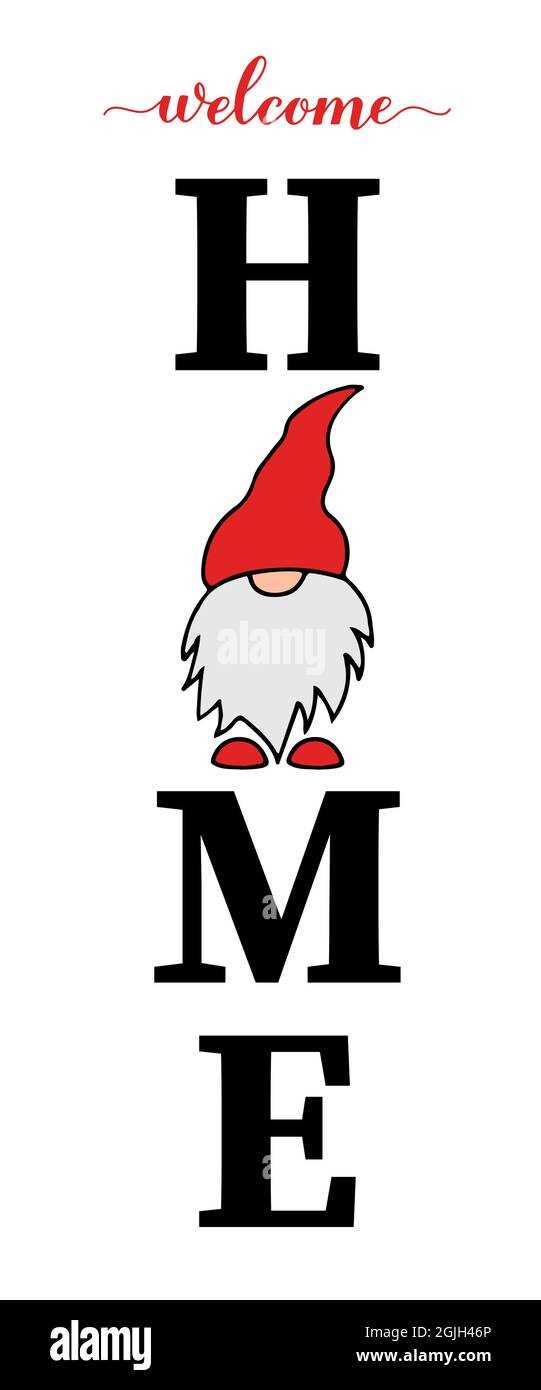
If you’re looking to add a personal touch to your entryway, a customized decorative greeting is the perfect solution. Select a warm, inviting phrase and design it in a style that matches your interior. Choose colors that complement your surroundings, whether it’s soft neutrals or vibrant hues.
To create a high-quality version, use thick paper or cardstock to ensure durability. The weight of the material will also give it a more polished, professional look. If you have access to a color printer, make sure to adjust the settings for the best resolution. Glossy or matte finishes can enhance the final look depending on the atmosphere you want to create.
For displaying, consider framing your creation or hanging it with rustic twine for an added charm. If you prefer something more modern, you can laminate it for easy cleaning and a sleek, contemporary feel. Place it near the door, on a mantle, or above a console table to greet guests with style.
Creating a Personalized Greeting for Your Space
To design an inviting greeting, start with a phrase that resonates with the people entering your space. Short messages like “You are Loved” or “So Glad You’re Here” work well in creating a warm atmosphere. Choose a font that complements your style–whether it’s elegant script or bold block letters.
Printing on high-quality paper makes a significant difference. For a professional finish, opt for a heavier cardstock or a textured material. This will provide a more refined feel compared to standard printer paper, which can look thin and cheap. If you have access to a color printer, adjust the settings to ensure sharp, vibrant colors.
When selecting colors, consider the room’s existing decor. Soft tones like cream or light gray are perfect for a subtle touch, while bolder colors like navy or mustard can stand out as a statement piece. If you’re creating multiple prints for different rooms, maintain a cohesive color scheme for a unified look.
After printing, decide on the display method. Framing the design is a classic option that adds sophistication. Alternatively, a simple clothespin or twine hanging offers a rustic, homey feel. For a more contemporary approach, use a magnetic board or a sleek acrylic frame.
For added creativity, consider incorporating embellishments. You can add greenery, ribbons, or small decorative elements that match the theme of your phrase. This extra touch can enhance the overall aesthetic and make the greeting more engaging.
If you’re looking for flexibility, opt for a lamination technique. Laminating your design not only makes it sturdier but also allows for easy cleaning, ensuring the print stays intact over time. This is especially useful in areas like kitchens or entryways where prints might be exposed to dirt and moisture.
How to Choose the Right Design for Your Greeting
Start by determining the tone you want to convey. A friendly, casual greeting might use playful fonts and bright colors, while a more elegant message could be better with script fonts and muted tones. Think about the mood you want to create and match your design choices accordingly.
The next step is choosing the layout. A centered message works well for a symmetrical, balanced design, whereas an off-center phrase can add a dynamic, modern touch. Consider how much space you have for the greeting and how it will interact with other elements in the room.
Font selection is key to readability and style. Avoid overly decorative fonts if you want the words to be easily read from a distance. Simple, bold fonts make a strong impact, while cursive or handwritten fonts add a personal feel. You can mix fonts for contrast, but make sure they complement each other rather than clash.
Color choices are another important factor. Stick to a color palette that fits with the rest of the space. Neutral shades work in almost any setting, while bolder tones can serve as a focal point. If you’re unsure, try using shades of one color for a harmonious effect, or incorporate metallic accents for a touch of elegance.
Consider the size of the text relative to the space you want to fill. If your greeting is the focal point, choose a larger, bolder font. For a more subtle addition to the decor, opt for a smaller, more refined style. A well-sized design ensures that the message remains visible and impactful without overwhelming the room.
Lastly, think about adding visual elements to enhance the message. Small icons like arrows, hearts, or plants can subtly reinforce the theme. Ensure that these extras don’t distract from the main message but rather enhance the overall aesthetic of the design.