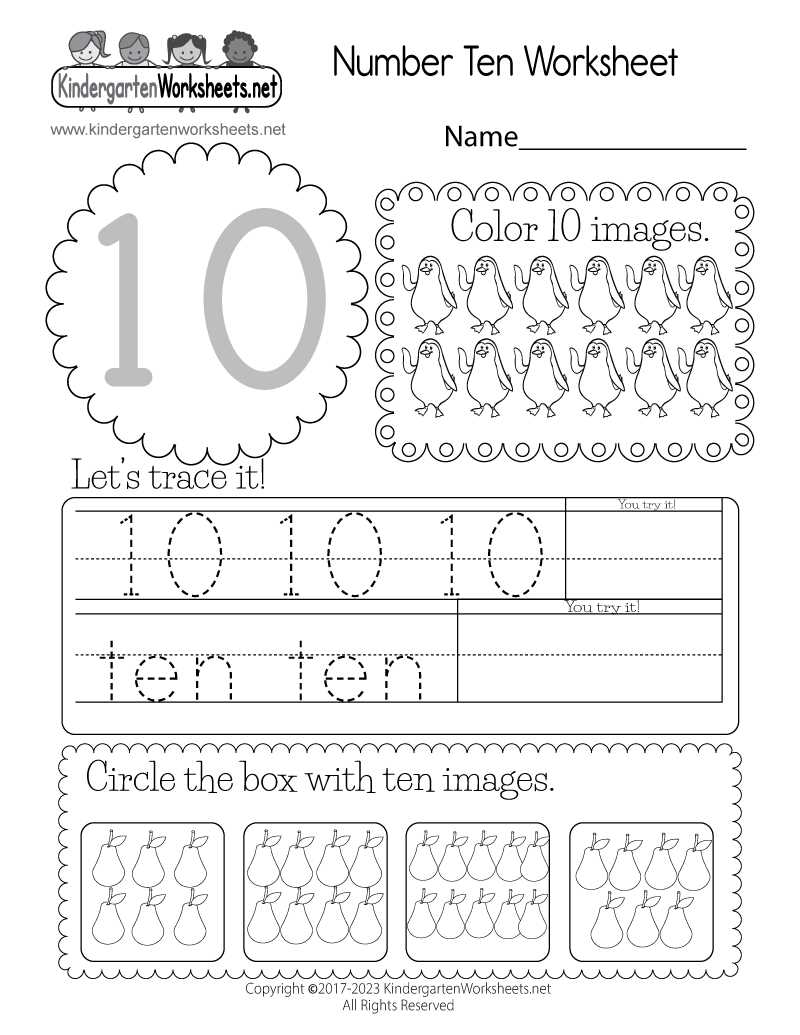
Start with simple activities that focus on counting and sequence recognition. Look for templates with clear, large figures that allow children to trace or match symbols to specific quantities. These exercises are great for reinforcing basic skills and can be adapted for different levels of understanding.
For younger children, use activities that involve matching digits with the correct group of objects. These tasks help solidify the concept of quantity and improve visual recognition. As kids progress, increase the complexity by introducing addition and subtraction exercises alongside these basic practices.
Use a variety of materials to keep children engaged, such as colorful pencils or stickers. By varying the resources, you create a more interactive experience, which will make the learning process enjoyable and engaging. Whether for home or school activities, these exercises serve as an effective foundation for future math learning.
How to Use Counting Sheets for Math Learning
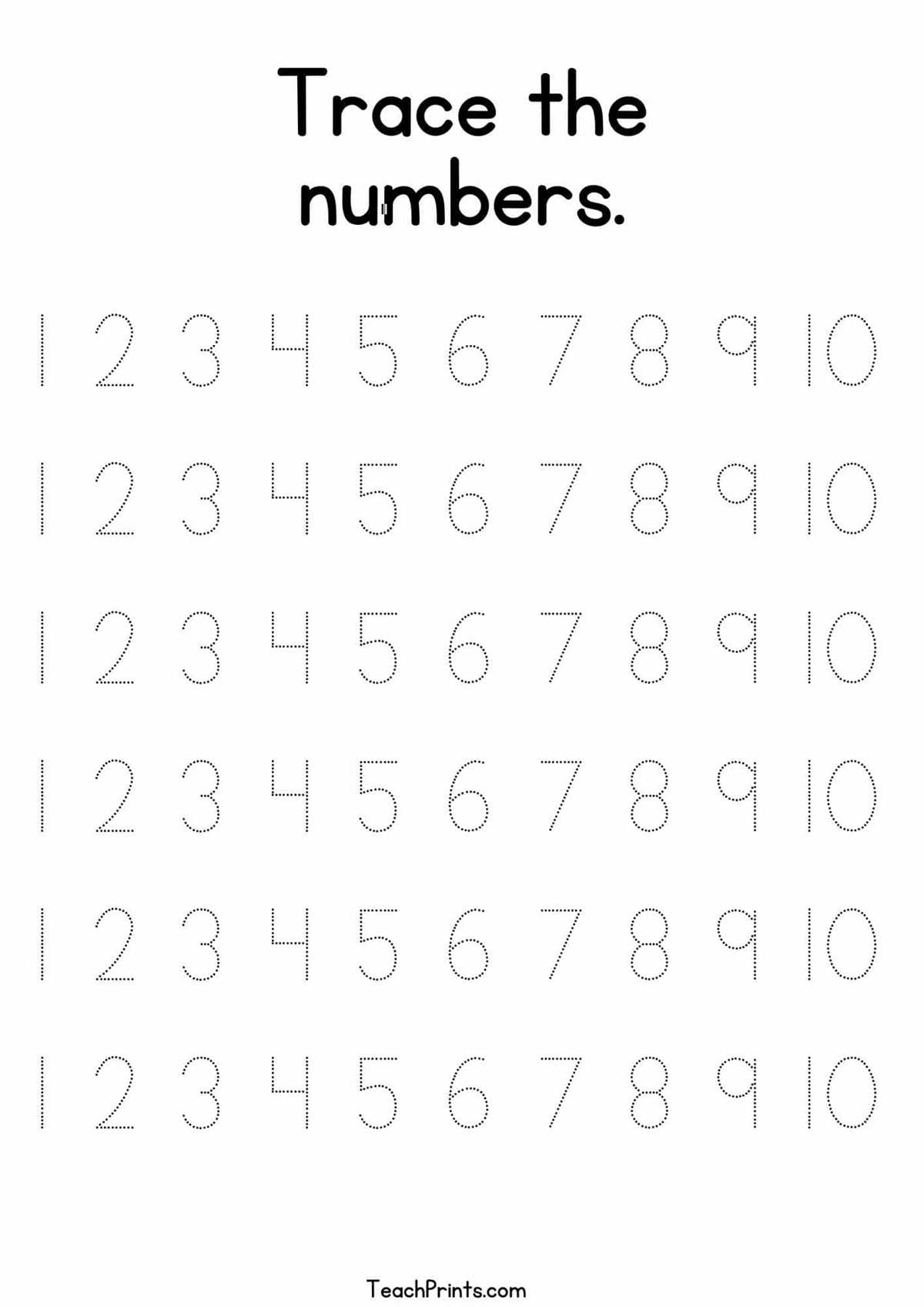
Start with simple sheets that focus on sequencing and basic arithmetic. Look for templates with clear, large digits to ensure easy tracing. These exercises are excellent for children just beginning to grasp counting and number recognition. The key is simplicity, allowing kids to connect the quantity with the correct symbol.
To introduce subtraction and addition, look for resources with interactive elements, like fill-in-the-blank or connect-the-dot exercises. This helps build mental math skills early on. The challenge can gradually increase by adding more complex problems or larger ranges of digits to expand the child’s grasp on math fundamentals.
Ensure that the exercises are visually engaging. Use bright colors, playful shapes, and themes that resonate with children. Whether it’s using animals or objects as visual aids for counting, make sure the content is relatable and fun. This keeps young learners motivated and invested in completing the activities.
For older children, switch to exercises that introduce more complex problems, such as simple multiplication or division. This gives them the opportunity to practice applying basic skills in different contexts. Worksheets that include small word problems can also teach kids how to apply arithmetic in real-life situations.
Another method to reinforce learning is through games. Consider turning math exercises into a competitive game by timing how quickly a child can complete a task or by offering small rewards for accuracy. This turns learning into a fun challenge that encourages children to improve.
For classroom use, create a set of exercises that target specific areas of math that need reinforcement. Customize activities for each student based on their level, from those who need basic counting practice to those ready for more advanced operations. Tailor your activities to make learning more relevant to the students’ needs.
Lastly, keep track of progress by creating a system to monitor completed tasks. Regular practice with counting and arithmetic exercises builds strong foundations for more advanced math concepts. Celebrate small achievements along the way to keep children motivated and confident in their learning journey.
How to Use Number Sheets for Early Math Skills
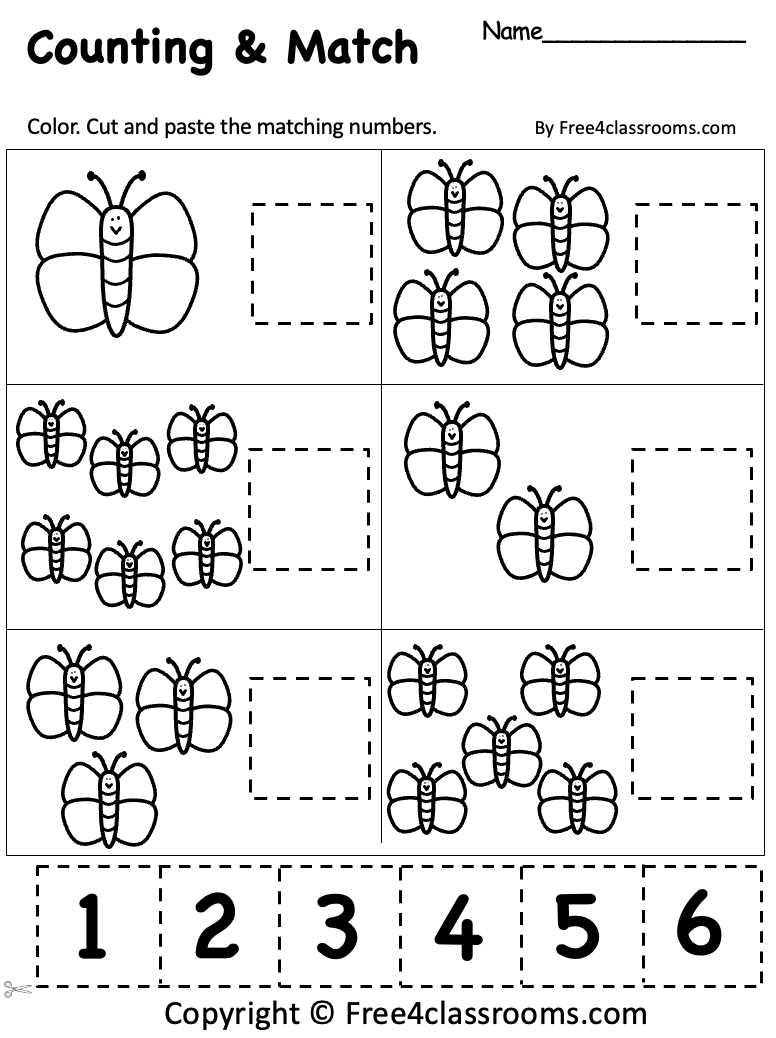
Start with simple activities that focus on counting and number identification. Look for templates with large, easy-to-read digits, allowing children to trace them. This basic step helps reinforce the connection between the written form and the concept of quantity.
Next, focus on sequencing exercises. Provide tasks that ask children to arrange digits in order, either ascending or descending. This helps build a strong foundation for understanding the logical progression of numbers, which is crucial for future math operations.
For more interactive practice, use matching games that link symbols to quantities. For example, match groups of objects to their corresponding digits. This exercise strengthens recognition skills and helps children visualize the relationship between a number and its representation.
Gradually introduce simple addition or subtraction problems. Start with exercises where kids need to complete small sums or remove objects from a group. This allows them to practice mental arithmetic while reinforcing their understanding of the basic concepts of addition and subtraction.
Incorporate hands-on activities to make learning more engaging. Using everyday objects like blocks or buttons, ask children to count and categorize them. This provides a tactile experience, reinforcing the concept of counting and quantity while keeping kids interested in the activity.
As children advance, introduce more complex problems involving higher numbers. Tasks that involve grouping and basic multiplication can be introduced to challenge their problem-solving skills. Regular practice with these tasks will build their confidence and prepare them for more advanced math concepts.