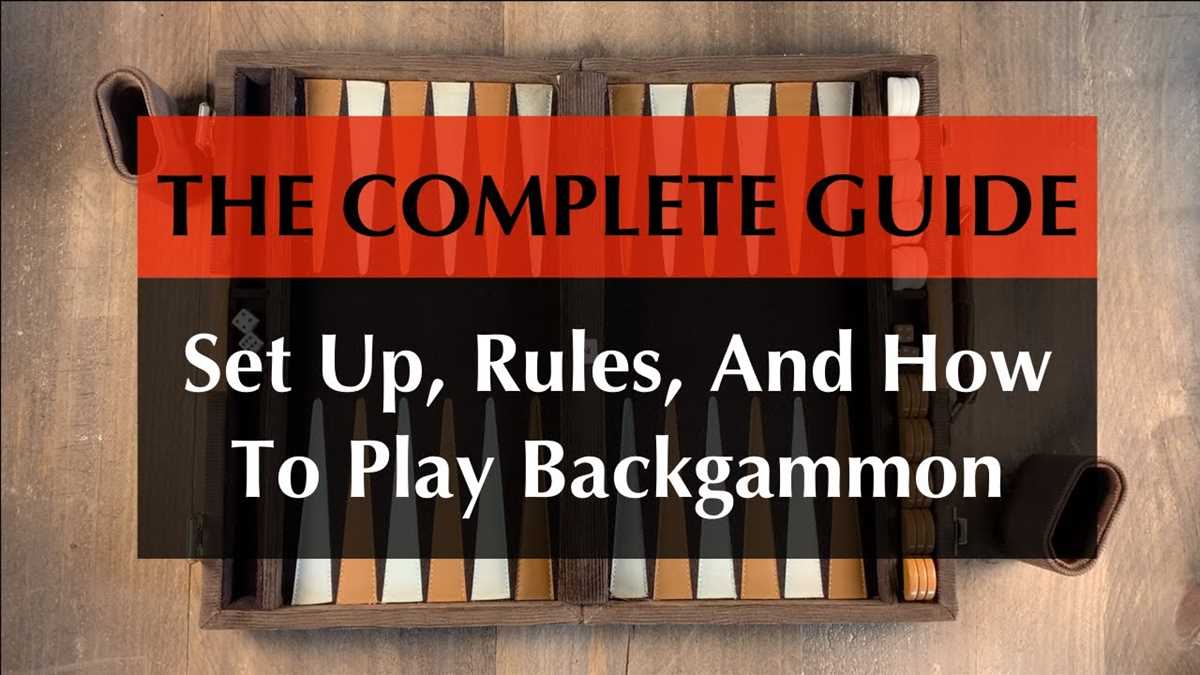
Start by familiarizing yourself with the basic components of the game: the board, pieces, and dice. The board consists of 24 triangular points, called “pips,” which are divided into four quadrants. Players move their pieces, or “checkers,” across the board based on dice rolls, aiming to reach their home board and then bear off all their pieces. Each player begins with 15 checkers placed on specific points.
To learn the game efficiently, download a set of instructions that clearly outline how to set up the board, how turns are taken, and the rules for moving pieces. Understanding how to “hit” and “bar” opposing checkers, as well as knowing when to split your pieces or create “prime” positions, will be vital to your success. Make sure to pay close attention to how players “bear off” at the end, as this is the final and crucial part of the game.
Having a quick reference guide on hand can make gameplay smoother, especially when learning. These guides often include key terms, step-by-step moves, and diagrams that visually explain complex actions. Keep one nearby during games to help resolve disputes or clarify confusing rules, and over time, you’ll become more comfortable and strategic in your moves.
How to Use a Quick Guide During Gameplay
Having a set of instructions available during gameplay can significantly improve the experience, especially for beginners. A concise document that outlines the setup, movement, and strategic options will help resolve questions quickly and keep the flow of the game going. Focus on key concepts like the direction of movement, the purpose of “hitting,” and when to bear off your pieces. This will ensure you avoid common mistakes that can slow the game down.
To make the most of your quick guide, print a copy with diagrams showing the board setup, the pieces’ starting positions, and how each player should proceed. Visual aids help clarify abstract concepts like the “bar” and “home board,” ensuring that both new and experienced players have a clear understanding of what to do next. Keep the instructions easily accessible during play so you can refer to them at any time.
Another useful feature to include in the guide is a section on strategic tips, such as the importance of creating “prime” positions or knowing when to block the opponent’s checkers. By integrating these suggestions into your gameplay, you can increase your chances of outsmarting your opponent, while also learning the finer details of the game.
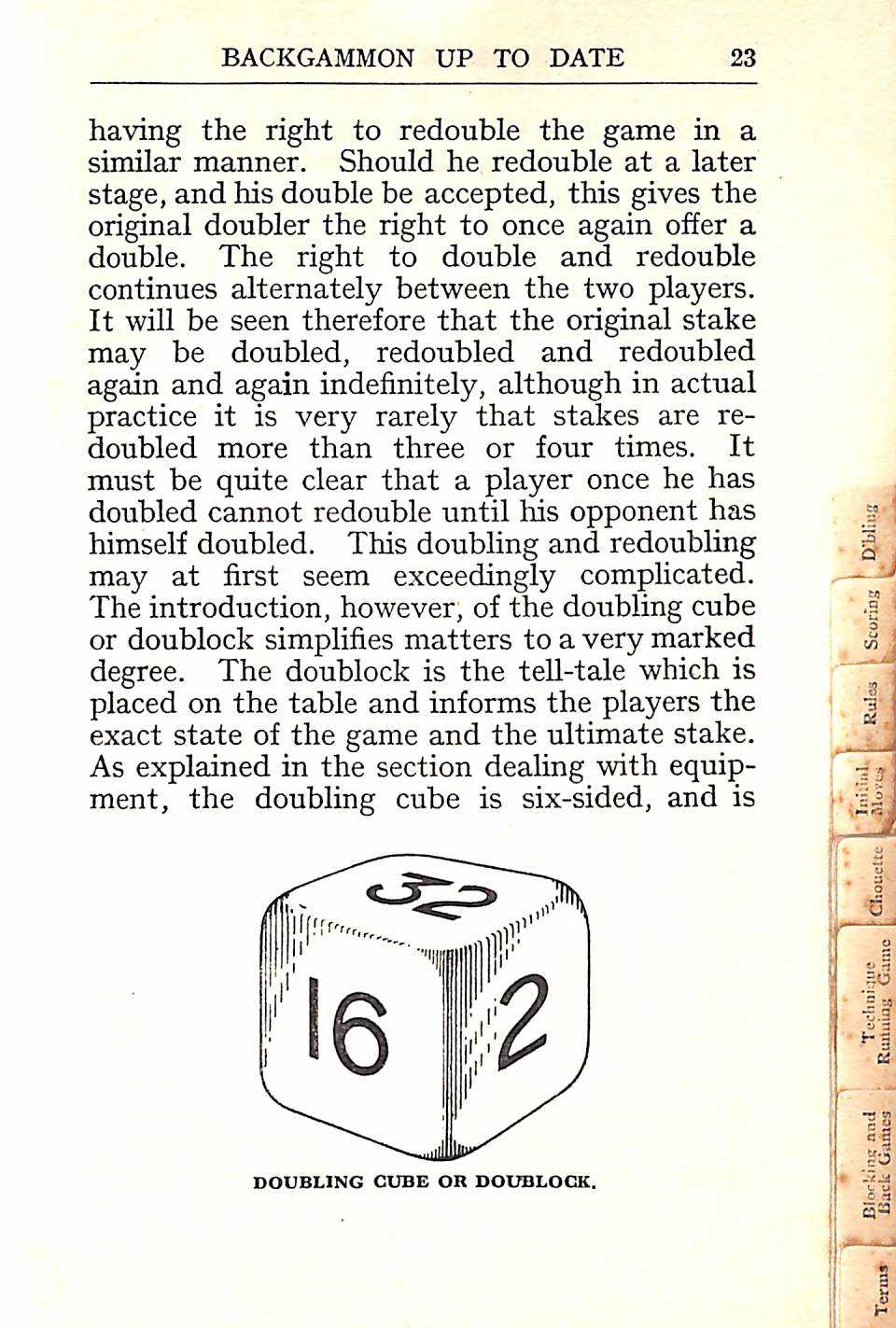
Additionally, it’s important to have a list of common disputes or misunderstandings. For instance, some players may not fully grasp how the doubling cube works or how to handle hitting an opponent’s checker that’s on the bar. A brief section addressing these potential issues can prevent disagreements during the game and promote a smoother experience.
For a more in-depth understanding, your instructions can include a section dedicated to variations of the game. Different regions or groups may play with slight rule modifications, such as changes in how many pips are moved per turn or additional rules about the opening moves. Including this in your guide ensures that players can adjust their strategies according to the rules they follow.
Lastly, consider including a quick reference chart that summarizes the most important aspects of the game. A list of the dice combinations and their corresponding moves will allow players to quickly recall the outcomes of each roll without needing to stop and think. This simple addition can significantly reduce downtime and keep the game moving smoothly.
Step-by-Step Instructions for Playing Backgammon
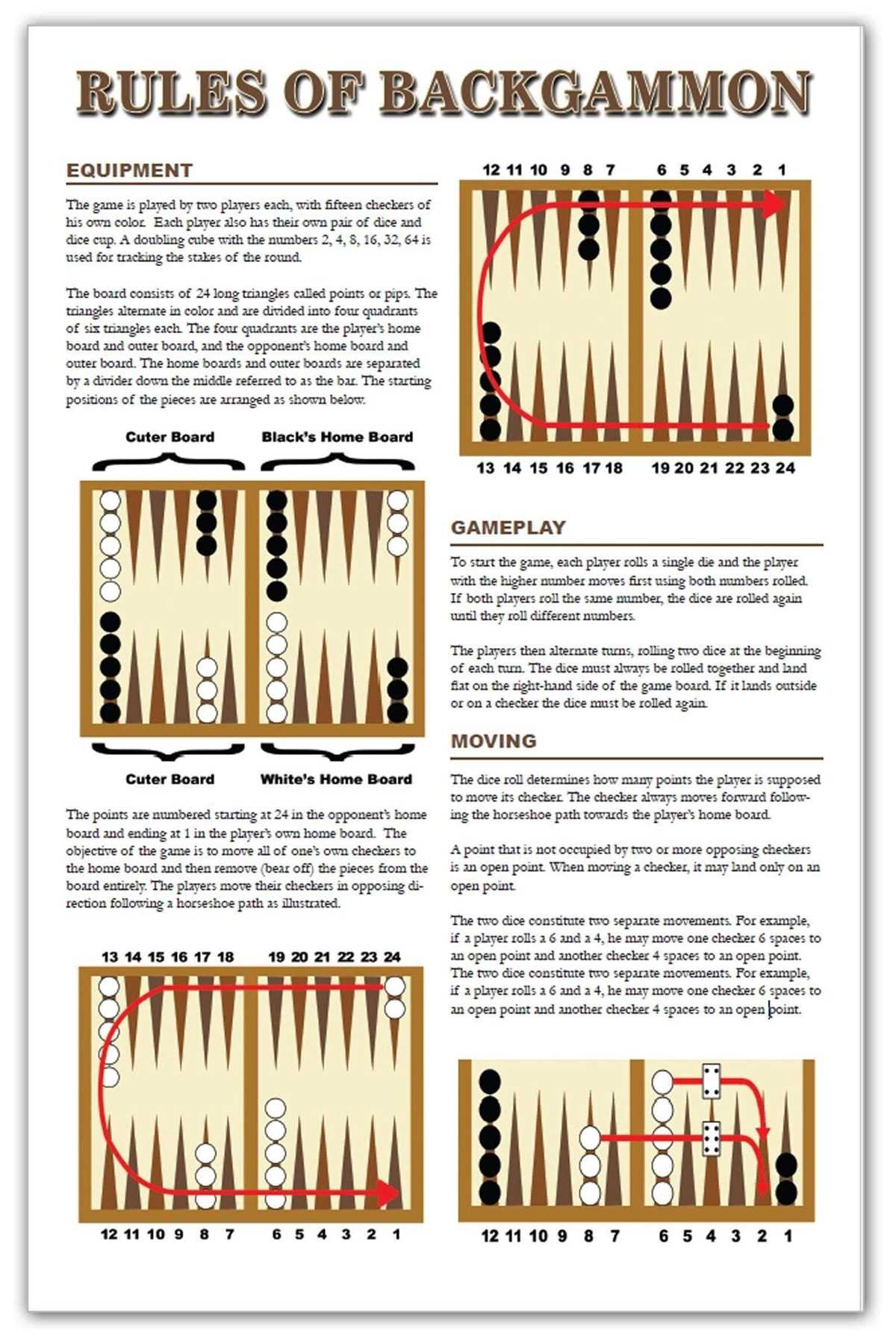
Start by setting up the game board. Each player places 15 pieces on their side of the board: two on the 24-point, five on the 13-point, three on the 8-point, and five on the 6-point. The board is divided into four quadrants, and players take turns moving their pieces according to dice rolls. The objective is to move all your pieces into your home board and then bear them off the board before your opponent.
Roll two dice to determine how many points to move your pieces. Each number on the dice represents the number of points to move forward. For example, if you roll a 5 and a 3, you can move one piece five points and another three points, or you can move one piece a total of eight points. If you roll doubles, you can move the corresponding number four times.
If an opponent’s piece is on a point you land on, you “hit” their piece, sending it to the bar. This forces your opponent to re-enter their piece into the game by placing it on the 24-point on their next turn. If you land on an open point (a point not occupied by two or more of your opponent’s pieces), you can place your piece there safely.
Once all your pieces are within your home board, you can begin to bear them off. This means removing pieces from the board. You can bear off one piece for each roll of the dice that matches a point occupied by one of your pieces. If you roll a number that corresponds to a point where you have no pieces, you must move another piece accordingly.
The game ends when a player has successfully borne off all their pieces. The winner is the first player to do so. If your opponent bears off all their pieces before you, they win. Keep track of the moves and use a clear, concise guide to resolve any questions that arise during the game to ensure smooth play.