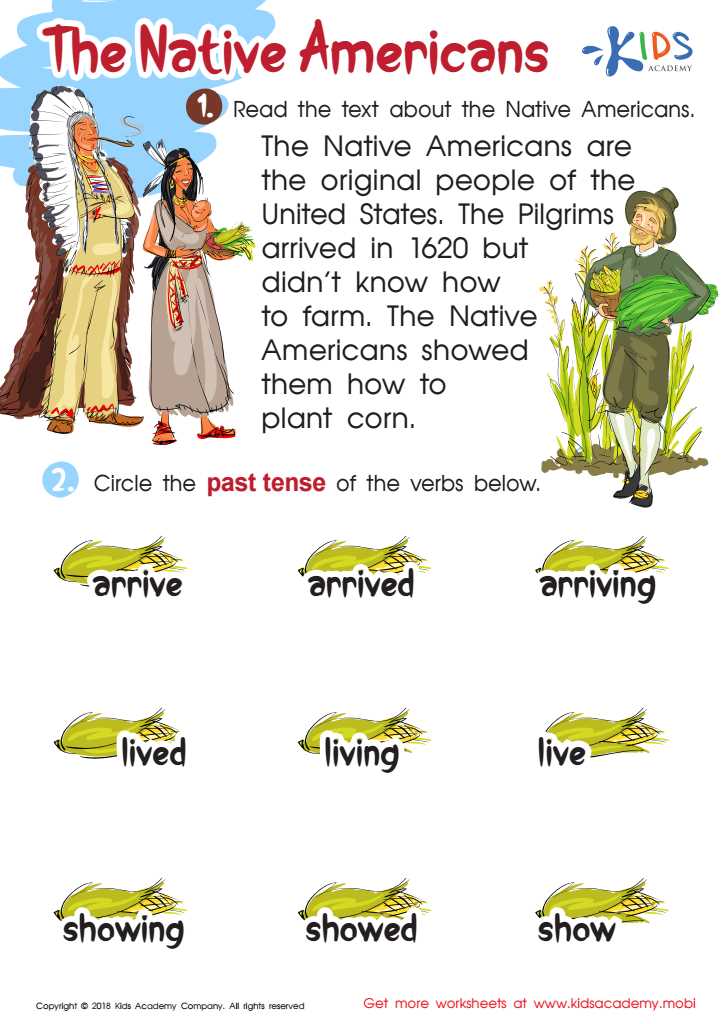
Using culturally rich resources in educational settings can enhance understanding and appreciation for diverse traditions. Incorporating illustrations, symbols, and designs from indigenous cultures allows for an engaging approach to learning. Many educational websites offer downloadable designs that reflect the art and history of these groups, providing teachers and students with visual aids that can deepen their learning experience.
When selecting materials, focus on those that authentically represent the community’s values and stories. Avoid generic or stylized representations that don’t accurately capture the cultural significance behind certain images. Resources such as detailed crafts, authentic patterns, and traditional symbols are often used to teach both history and art while maintaining respect for the culture they represent.
Additionally, these resources can be a valuable tool for classrooms aiming to foster inclusion and broader cultural awareness. Incorporating historical lessons and artwork from indigenous peoples allows for a more comprehensive understanding of their impact on history, their contributions, and their ongoing cultural relevance. It is important to use these materials thoughtfully, ensuring that the representation is accurate and culturally respectful.
Resources for Teaching Indigenous History and Culture
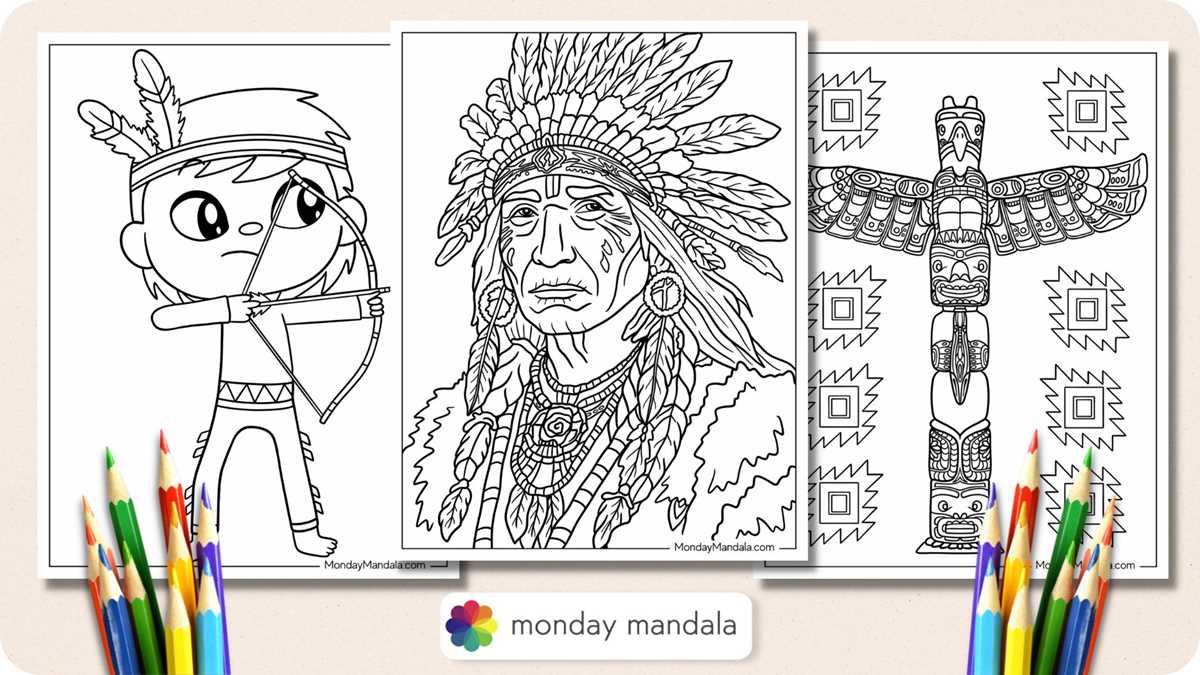
To deepen understanding of indigenous cultures, look for educational tools that provide accurate, respectful representations. These can include digital and physical resources, such as history books, guides on traditional customs, and multimedia materials that showcase indigenous art and traditions. Websites dedicated to preserving indigenous heritage often offer free downloads for educators, including lesson plans, worksheets, and visual aids.
Consider incorporating materials that highlight the unique contributions of indigenous peoples, such as their innovations in agriculture, governance, and the arts. These resources can illustrate the richness of indigenous societies before and after European contact. Online educational platforms and libraries may offer access to digital archives, interviews, and oral histories from indigenous leaders and scholars.
Incorporating indigenous languages into the curriculum is another key educational tool. Many language revitalization programs provide online resources, including vocabulary sheets, dictionaries, and language-learning apps. Teachers can engage students in learning simple phrases or exploring indigenous language structures through these materials, which often come with cultural context for better understanding.
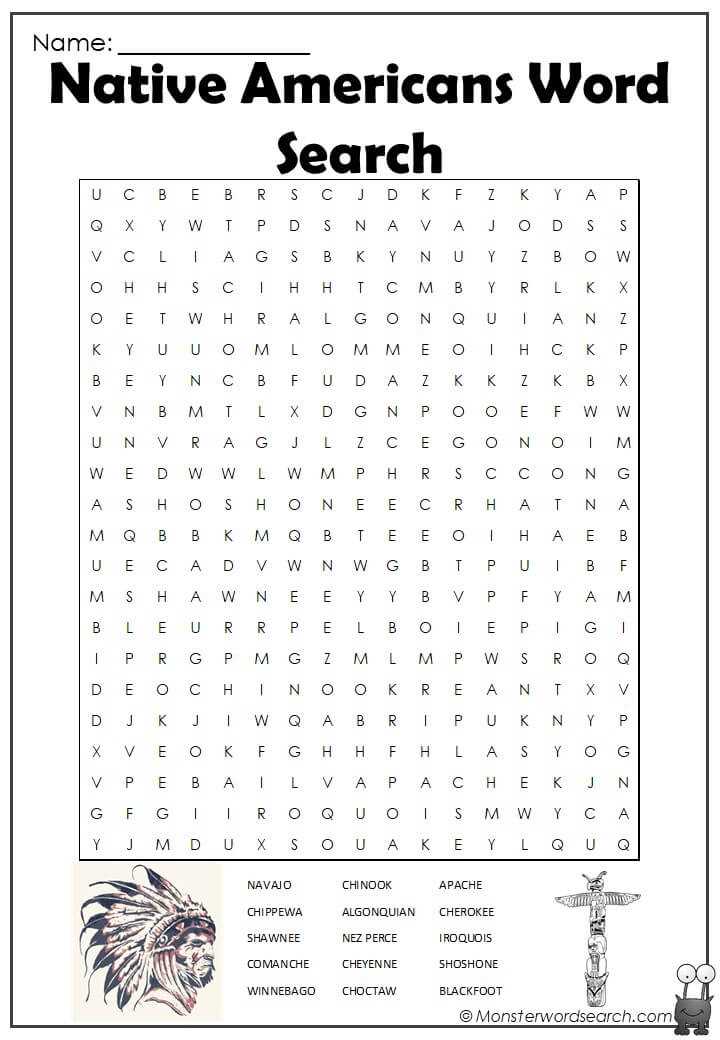
For hands-on learning, many resources provide printable worksheets and activity books focused on indigenous arts, crafts, and traditions. These can help bring the culture to life by allowing students to create their own versions of indigenous artwork, try their hand at traditional crafts, or learn about the significance of indigenous symbols and motifs.
Another effective way to connect with indigenous culture is through virtual field trips or online exhibits. Many museums and cultural centers offer online tours showcasing indigenous artifacts, historical sites, and contemporary art. These can serve as an engaging way for students to experience indigenous culture firsthand, with explanations from curators and community members.
Documentaries and films created by indigenous filmmakers are also valuable educational tools. These provide an authentic perspective on the experiences, struggles, and triumphs of indigenous communities. Many streaming platforms offer collections dedicated to indigenous stories, showcasing both traditional narratives and modern-day issues affecting these communities.
In addition to visual and multimedia resources, many indigenous communities create and share written materials that detail their histories, rituals, and philosophies. These texts can be valuable additions to history and social studies curriculums, offering students a direct look into indigenous worldviews and the history of colonialism and its effects on indigenous peoples.
By utilizing a variety of educational resources, from interactive worksheets to multimedia content, teachers can create a more dynamic and inclusive learning environment that celebrates the history, art, and ongoing contributions of indigenous peoples.
How to Use Indigenous Art for Educational Projects
Start by introducing students to the symbolism within indigenous artwork. Many pieces feature patterns and designs that tell stories, represent nature, or convey spiritual meanings. Encourage students to analyze these symbols and explore their significance. This can be done through classroom discussions or individual research projects focused on identifying the different elements in indigenous art.
Use artwork as a gateway for interdisciplinary learning. For example, you can incorporate art into history lessons by showing how indigenous art reflects the community’s experiences and cultural heritage. Pair visual analysis with historical context to highlight the importance of art in preserving cultural narratives, from storytelling to ceremonial practices.
Incorporate hands-on activities by allowing students to recreate indigenous designs using accessible materials. Provide templates or guidelines for drawing symbols or patterns inspired by traditional art. This approach not only fosters creativity but also gives students insight into the meticulous process involved in creating indigenous art.
Introduce the concept of art as a form of cultural expression and discuss how artists use their craft to express their identity and beliefs. Encourage students to create their own pieces inspired by indigenous techniques while respecting the cultural significance of the original designs. This can help foster an appreciation for both indigenous traditions and personal expression.
Bring the community into the project by inviting local indigenous artists to speak to students. If possible, arrange for a workshop where the artist can demonstrate their craft and explain how traditional art forms are passed down through generations. This interaction provides students with a real-world connection to the subject matter.
Finally, consider using digital resources and interactive tools to explore indigenous art further. Many museums and cultural institutions offer online galleries that feature indigenous artists and their works. By incorporating these resources into your lesson plan, you can help students engage with the art in a modern context, making it accessible to those with varying learning styles.