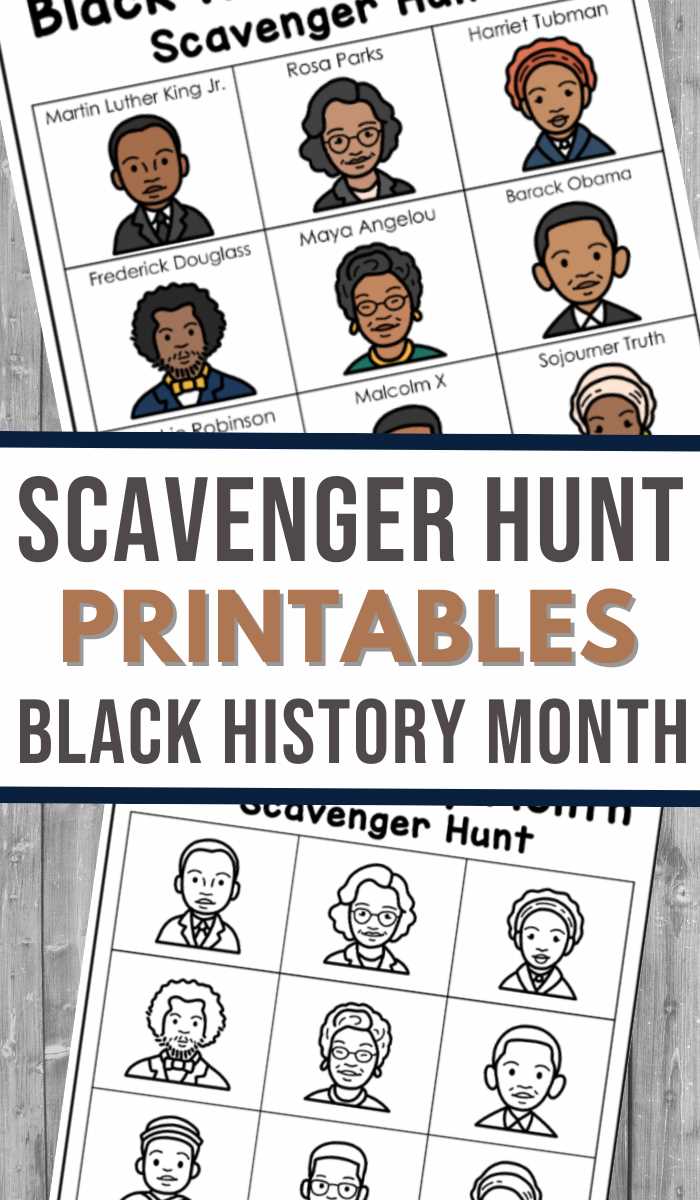
Use ready-to-download worksheets and classroom sheets focused on African American heritage to structure lessons around key figures, events, and cultural achievements. Select materials that include short biographies, primary source excerpts, and guided questions to support grades 3–8.
Assign research organizers that require students to record birth and death dates, major accomplishments, and social impact of leaders such as civil rights advocates, scientists, artists, and legislators. Limit each profile to one page to keep the task focused and measurable within a single class period.
Incorporate writing prompts and reflection pages that connect past events to current civic topics. Provide lined response sheets with a 150–250 word target to build structured arguments supported by factual references discussed in class.
Include visual tasks such as timeline charts and portrait coloring sheets paired with fact boxes. This combination reinforces retention by linking images with concise data, while also offering accessible entry points for younger learners.
Biography Worksheets and Research Tasks for Notable Black Leaders
Provide structured biography sheets that require students to record full name, birth and death dates, place of origin, field of influence, and three measurable achievements. Limit responses to bullet points to keep information concise and fact-based.
Assign one-page research organizers focused on figures such as Martin Luther King Jr, Rosa Parks, Harriet Tubman, and Thurgood Marshall. Include sections for key events, obstacles faced, and long-term societal impact. Set a minimum of three verified sources per profile to strengthen source evaluation skills.
Incorporate a timeline task where learners place each leader within a broader civil rights chronology. Require exact years for major milestones, such as landmark court cases, speeches, or legislative changes, to reinforce chronological accuracy.
Use comparison charts that ask students to analyze two individuals side by side. Include columns for leadership style, methods of advocacy, risks taken, and outcomes achieved. Limit written analysis to 200 words to maintain focus on evidence rather than opinion.
Introduce short primary source excerpts, such as speech quotations or legal arguments, followed by guided questions. Students should identify the main claim, intended audience, and historical context within five to seven sentences.
Assign a fact-checking exercise where learners review a short paragraph containing three intentional inaccuracies. Their task is to correct each error and cite a credible reference, reinforcing attention to detail.
Conclude the unit with a brief written reflection connecting one leader’s achievements to a present-day civic issue. Require at least two factual references from their research sheet to support their reasoning.
Black History Month Coloring Pages and Art-Based Classroom Projects
Distribute portrait coloring sheets featuring influential African American leaders and pair each image with a short fact box containing birth year, primary achievement, and field of impact. Require students to highlight three verified facts directly on the page margin to connect visual work with documented information.
Use structured art tasks that combine illustration and research. For example, assign learners to design a background that represents a major event linked to the featured individual, such as a court ruling, a public speech, or a scientific breakthrough. Limit the written explanation beneath the artwork to 100–150 words summarizing the event’s significance.
| Project Type | Materials Needed | Learning Focus |
|---|---|---|
| Portrait Coloring Sheet | Printed outline, colored pencils, fact card | Biographical recall and visual association |
| Timeline Poster | Large paper, markers, ruler | Chronological sequencing |
| Quote Illustration | Calligraphy pens, watercolor set | Text interpretation and context analysis |
Display completed pieces in a classroom gallery arranged by theme such as civil rights advocacy, science, arts, or public service. Add small caption cards beneath each work listing the individual’s name, lifespan, and one measurable contribution to reinforce factual accuracy alongside creative output.
Discussion Prompts and Writing Activities for Black History Lessons
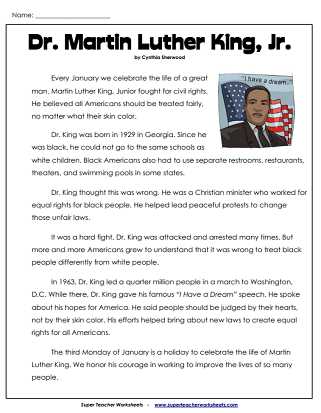
Prepare structured discussion cards with open-ended prompts that require evidence-based responses. Use questions such as:
- How did specific civil rights legislation change daily life for citizens
- What risks did individual leaders face while advocating reform
- How did court decisions influence equal protection under the law
- Which strategies proved most successful in achieving policy change
Follow each discussion with a timed writing task of 20–30 minutes. Require a clear thesis statement in the first sentence, two factual references from class materials, and a concluding sentence that links past reform efforts to a current civic topic. For extended assignments, assign a 300-word analytical response comparing two reformers, structured as:
- Introduction with claim
- Paragraph analyzing first figure with dated evidence
- Paragraph analyzing second figure with dated evidence
- Short comparison highlighting similarities and differences
Grade using a rubric that allocates points for factual accuracy, clarity of argument, and correct citation of sources.