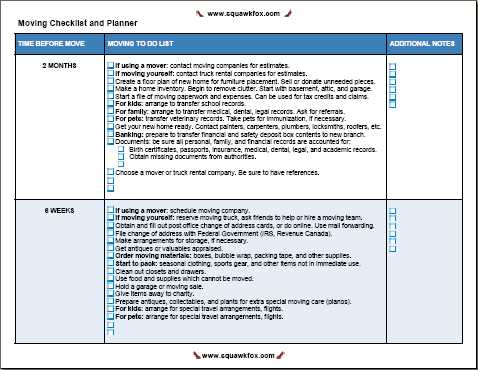
Start by organizing the most crucial tasks in a logical order. Begin with notifying important institutions about your change in address. This includes the post office, utility companies, banks, and insurance providers. Having a clear record of who needs to be informed helps avoid any issues after the transition.
When preparing your belongings, create a system for sorting items you want to take with you and things you can sell, donate, or discard. Organizing your items before packing will save time later and reduce clutter. Start with rooms or areas you use the least and work your way through your home in an organized manner.
Don’t forget to update any necessary documents and personal records. Depending on the nature of your move, this might include vehicle registration, voter registration, or changing healthcare providers. A detailed list of required changes will prevent missing vital paperwork in the rush of your relocation.
Complete Guide for Relocating to Another Area
1. Notify Key Institutions: Notify your bank, credit card companies, insurance agencies, and utility providers about your address change. This ensures that billing information and important correspondence follow you without delays. Make a list of all entities that need to be informed, including healthcare providers and subscription services.
2. Begin Sorting and Decluttering: Start sorting through your belongings. Decide which items to keep, sell, or donate. This step helps reduce the number of things you need to transport, saving both time and money. Focus on getting rid of things you no longer use or need before you pack.
3. Hire a Reliable Moving Company: Research reputable moving services and request quotes. Check reviews, confirm licensing and insurance, and discuss your needs with them. Don’t wait until the last minute to secure your moving team, as good movers can book up quickly.
4. Plan Packing Materials: Gather all necessary packing materials such as boxes, bubble wrap, tape, and markers. Label each box with its contents and the room it belongs to. Keep fragile items well-protected, and pack an essentials box with toiletries, clothes, and any important documents you’ll need upon arrival.
5. Handle Utilities and Services: Ensure all utilities like water, electricity, and internet are disconnected at your current home and set up at your new location. This will prevent unnecessary bills or service interruptions. Schedule these tasks well in advance to avoid last-minute stress.
6. Update Legal Documents: Take care of any legal documents that require updates, such as your driver’s license, vehicle registration, and voter registration. This helps to avoid issues with the government, especially in regard to taxes or legal identification.
7. Change of Address at the Post Office: File a change of address form with the USPS to ensure your mail is forwarded to your new address. You can do this online or in person, but be sure to do it at least two weeks before your departure.
8. Confirm Travel Arrangements: If you’re traveling by plane or train, confirm your tickets and arrangements in advance. Consider how you’ll transport pets and plants, as they may require special accommodations. Plan a clear route to your new home to avoid last-minute surprises.
How to Organize and Plan Your Move to Another Location
1. Create a Detailed Timeline: Start by setting a timeline for the entire process. Break down tasks into smaller, manageable steps. Begin with a moving date and work backward to identify when to start packing, when to hire movers, and when to disconnect utilities. A timeline ensures that nothing is overlooked and reduces last-minute stress.
2. Categorize Your Belongings: Sort through your possessions well in advance. Organize items by category (e.g., clothing, kitchenware, electronics) and decide what to keep, donate, or sell. This reduces the volume of items to pack and makes your move more cost-effective. Consider hosting a garage sale or using online platforms to sell unused goods.
3. Plan for Travel and Lodging: If your journey requires overnight stays or long travel hours, plan accommodations ahead of time. Research hotels or rental homes along your route and book rooms early. If you’re traveling with pets or young children, make sure to check the travel policies of your accommodation and have necessary supplies ready.