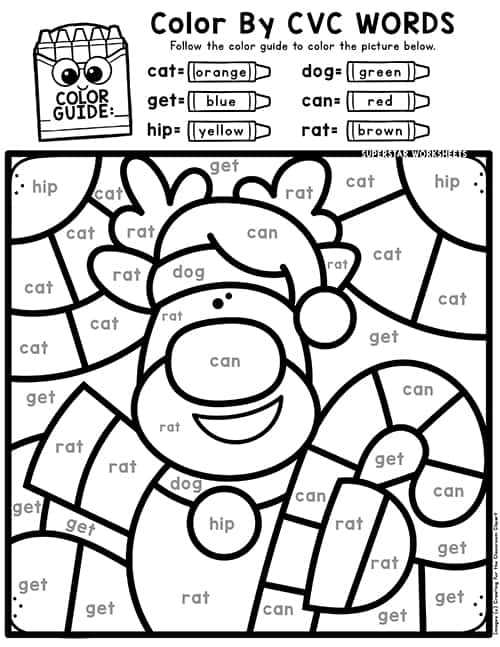
One of the best ways to engage children in creative activities is by using image puzzles where each section is filled with the right shade based on a specific digit. These types of tasks help improve focus, motor skills, and understanding of basic patterns. You can find a wide variety of designs that cater to different skill levels and interests, making them perfect for various age groups.
To get started, look for designs with clear outlines and appropriate color assignments that match the age group you’re targeting. Simple pictures like animals or nature scenes work well for younger children, while more complex images can challenge older kids and even adults. If you’re teaching math, consider including addition or subtraction elements within the design, which adds an educational twist to the activity.
In addition to ready-made templates, you can easily create your own worksheets by selecting themes that interest your audience. Consider incorporating seasonal designs, like holiday motifs or seasonal changes, to keep the activity fresh and exciting. Customizing the difficulty level by altering the number of sections can also keep the challenge suitable for various skill levels.
Printable Color by Numbers
When selecting worksheets with numbered sections for children, make sure the designs are clear and simple. Choose images with bold lines and distinct shapes that can be easily distinguished. These designs work best when the divisions are not too small or complex, ensuring children can focus on one segment at a time.
For younger children, select images that have fewer sections. These designs allow them to follow the instructions and complete their task without feeling overwhelmed. Animals, flowers, or simple geometric shapes are ideal for beginners. As children grow older, more intricate patterns and detailed illustrations can be introduced to match their developing skills.
Incorporating educational elements into these activities can boost both learning and enjoyment. For instance, assign a specific shade to a particular number and ask kids to identify that number before filling in the corresponding sections. This can help improve number recognition while simultaneously enhancing their creative skills.
For older kids or adults, try more elaborate designs that combine detailed pictures with a higher number of sections. Abstract patterns, intricate objects, or complex scenes can offer a more challenging task, which can hold attention longer and improve patience and focus.
If you’re organizing group activities, print multiple versions of the same design so participants can compare their results. This allows for discussions about creativity and technique, making the activity more engaging and interactive. Such exercises also promote teamwork and sharing of ideas, enhancing social interaction among children.
There is also room to experiment with various techniques beyond filling in each segment with a single hue. For example, encourage shading or blending multiple shades for a more artistic approach. This method fosters creativity and allows children to express themselves while still following a numbered guide.
Customizable designs are another great option. You can create your own by selecting specific objects or themes that appeal to the person working on the activity. This can be particularly useful for tailoring worksheets to specific interests like animals, holidays, or favorite characters.
Finally, these types of exercises are not just for children. Adults can benefit from the same engaging, focused activity. Creating your own designs or modifying existing ones allows for a fun, low-pressure way to relax while developing both creative and cognitive skills.
How to Find the Best Printable Color by Numbers Sheets for Kids
Start by selecting designs with clear, bold outlines that are easy for young children to follow. Simpler shapes like animals, objects, or basic geometric forms are ideal for younger kids. Look for templates where the divisions are not too intricate, allowing for quick and easy completion without frustration.
Consider the age group you are targeting. For younger children, choose pages with fewer segments and larger spaces. As they grow older, increase the complexity by selecting designs that incorporate more sections and finer details. Complex patterns or favorite characters can keep older kids engaged for longer periods.
Look for themes that match the child’s interests. For example, a child who loves animals might enjoy pictures of farm animals, while a fan of space could prefer designs featuring planets and rockets. You can find a variety of themed illustrations that make the activity more fun and engaging.
- Animals (e.g., dogs, cats, jungle animals)
- Nature (e.g., trees, flowers, landscapes)
- Seasonal designs (e.g., Halloween, Christmas, Easter)
- Cartoon characters or superheroes
Finally, check if the designs include educational elements like shapes or letters to make the activity not only fun but also a learning experience. These additional elements can help reinforce basic concepts while still allowing for creative expression.