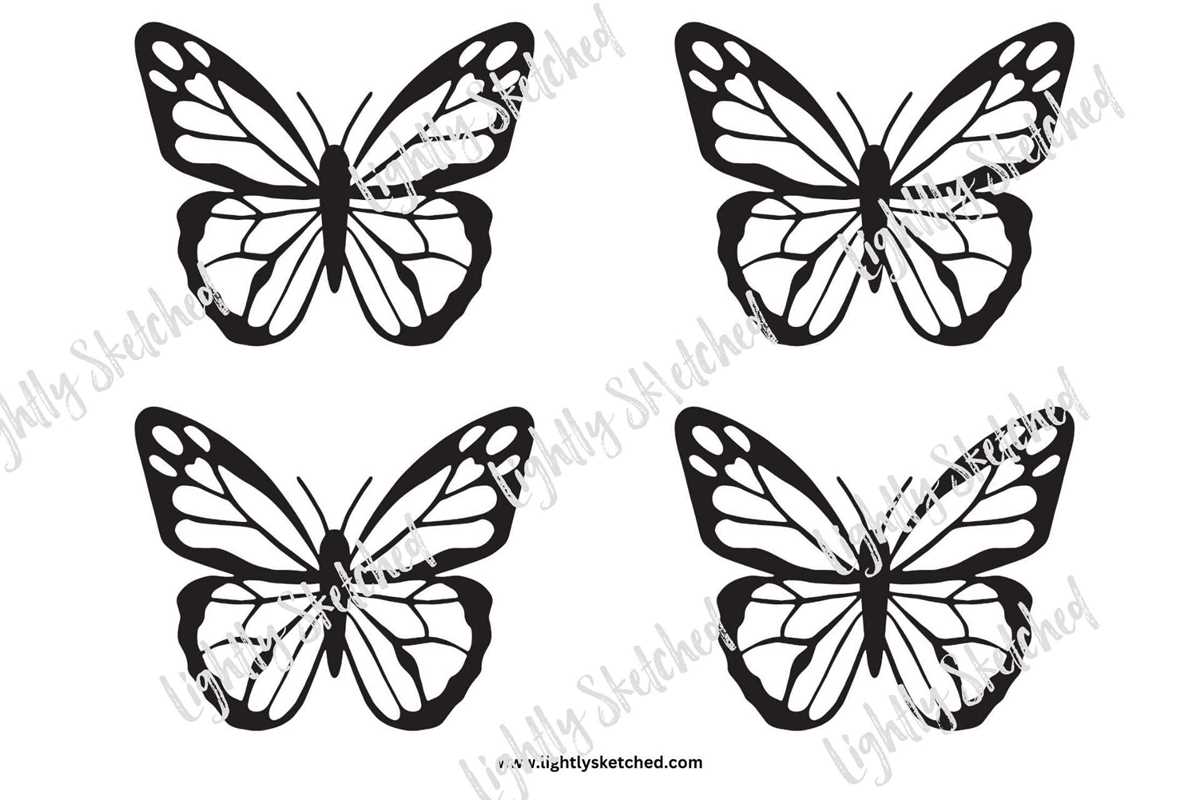
Start by selecting the most appropriate design for your next project. Choose a pattern that fits the theme and scale of the craft you’re working on. If you’re aiming for delicate, intricate details, opt for smaller designs with finer lines. For a bolder look, larger, simpler forms work best.
Once you’ve chosen your designs, printing them out is the next step. For a crisp finish, use high-quality paper or cardstock, as these materials hold up better for cutting and crafting purposes. If you’re making multiple pieces, consider printing on thinner sheets for easier handling.
For creative projects, think about how to incorporate these shapes into the final design. Use them in scrapbooking, as stencils for painting, or even as wall decorations. Layering them with different materials like colored tissue paper or glitter can add texture and interest.
To cut the shapes cleanly, make sure you use the right tools. Scissors are often enough for simple cuts, but for more intricate designs, craft knives or precision tools will give a sharper, cleaner edge. For consistency, always cut along the lines as precisely as possible.
Detailed Guide to Butterfly Cutouts for Crafts
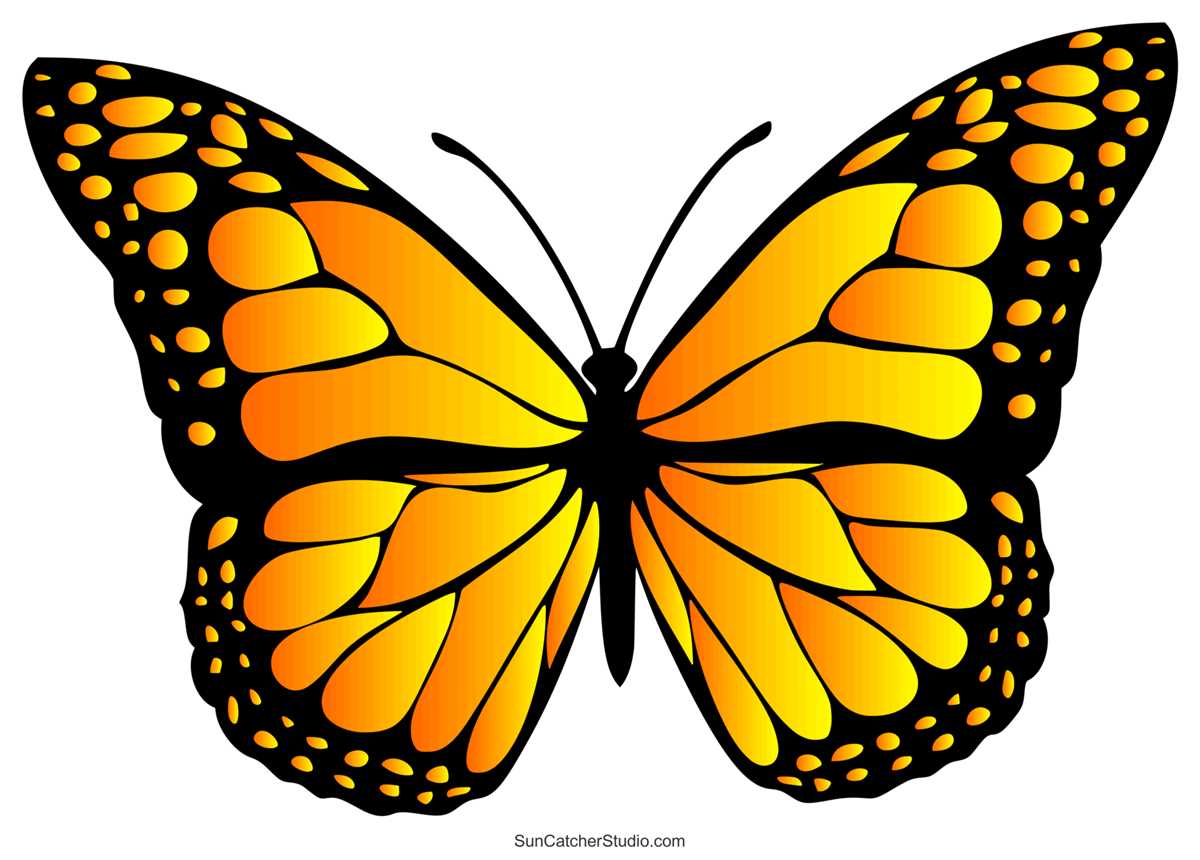
Begin by selecting an appropriate design that aligns with your project. Choose a pattern that fits both the scale and theme of the craft you’re working on. For smaller crafts like greeting cards, opt for compact designs, while larger pieces like wall art benefit from bigger, more detailed shapes.
When preparing to cut, print the chosen design on high-quality, sturdy paper such as cardstock or thick construction paper. These materials hold up better during crafting and provide a clean, sharp finish when cutting. If you’re working with multiple shapes, it’s helpful to print the designs on thinner paper for ease of cutting and handling.
After printing, use sharp scissors or a craft knife for precision. For intricate designs, a craft knife is the best tool to ensure clean, precise edges. Always cut along the edges carefully to avoid any jagged lines, which can detract from the final effect. If necessary, use a ruler to guide the straight cuts.
Finally, get creative with how you incorporate the shapes into your project. Layering with colored paper, embellishments like glitter or sequins, or even using them as stencils for painting can add texture and depth. You can also use them to create 3D decorations or enhance other craft pieces like scrapbooks, gift tags, or party decorations.
How to Choose the Right Butterfly Design for Your Project
Consider the theme of your project before selecting a design. For more whimsical, playful projects, opt for designs that are colorful and have rounded, soft lines. If you are working on a more elegant or sophisticated piece, a more intricate and delicate pattern with fine details would be more suitable.
Think about the scale of your project. Larger projects like murals or wall art will require bigger, bolder patterns that make a strong visual impact. For smaller crafts, such as bookmarks or greeting cards, smaller designs with simpler shapes are more fitting, allowing for easier handling and more precise cutting.
Pay attention to the level of detail. If your project involves children or beginners, choose a design that is easy to cut and manage. Avoid overly intricate patterns for such projects as they can become frustrating to work with. On the other hand, more advanced crafters can handle designs with more intricate details.
Consider the materials you will be using. For projects involving delicate or textured materials like fabric, a simple and clean shape works best. Intricate patterns may not translate well onto fabric or other soft materials. Sturdier materials, such as heavy cardstock or wood, can accommodate more detailed and elaborate designs.
Think about the color palette of your craft. Choose designs that complement your project’s colors. For example, if you’re using pastel hues, opt for a lighter design that matches the soft tones. Bright, bold patterns work well in more vibrant color schemes, while neutral colors suit more muted palettes.
Take into account the purpose of your project. For educational crafts or children’s activities, designs that feature large, easily recognizable shapes are preferable. For decor or personal gifts, a more artistic, stylized design might be more appropriate to create a visually stunning effect.
Finally, test the design before committing to it. Print or sketch it out on your chosen material to ensure it fits well with the size and scope of your project. This gives you the opportunity to make adjustments and see if the design complements the overall feel of your creation.