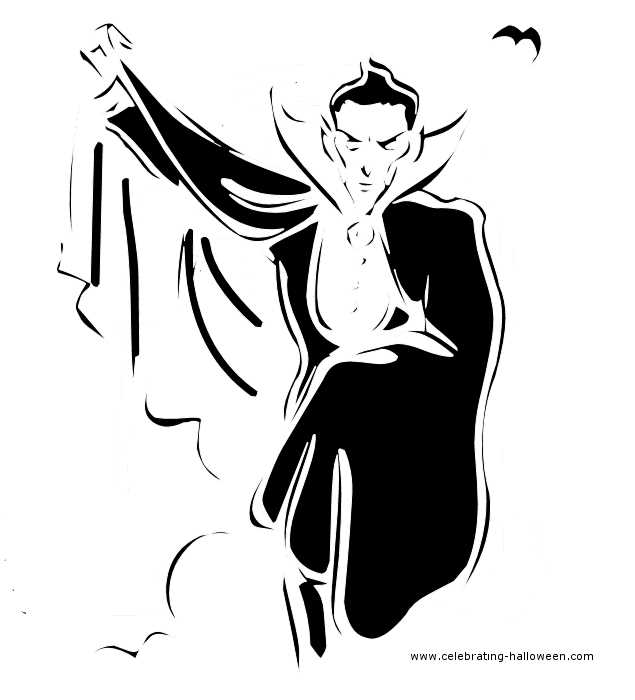
For a spooky, fun addition to your Halloween decorations, using a pre-made design for carving is a great way to save time while still achieving detailed and impressive results. Choose a template that suits your style–whether you want a classic creepy look or something more playful–and simply print it out to begin. The right design can turn an ordinary gourd into a standout feature at your Halloween party.
Before getting started, ensure that you select high-quality materials for transferring the design. Opt for thicker paper for durability, and consider using a tracing method to ensure a clean transfer onto your fruit. This will allow you to carve with ease, avoiding any frustration from fragile templates tearing during the process.
After transferring the design, use a sharp carving tool to carefully follow the outlines. The key to making your creation stand out is precision, so take your time with the details. Once finished, your transformed decoration will surely impress and add a haunting touch to your holiday display.
How to Create a Detailed Halloween Design for Your Decorations
Start by selecting a high-quality image that captures the spooky aesthetic you’re after. Once you’ve found the right graphic, print it on thick paper or cardstock. A sturdy paper base ensures the design stays intact during the transfer process, avoiding the frustration of tearing or smudging. The template should match the size of the item you plan to decorate for accurate and easy application.
Next, cut out the design carefully, leaving clean, sharp edges. You can use a pair of scissors or a craft knife, depending on the complexity of the image. If you are working with an intricate pattern, a craft knife will allow you to achieve more precise cuts and finer details. Be sure to cut slowly, especially around delicate parts of the graphic.
To transfer the image onto your surface, place the cut design on your chosen object. You can either trace it directly with a pencil or use a carbon paper method for easier results. Make sure the template is aligned properly before securing it in place. Using tape can help prevent the paper from shifting while you work.
Once the design is transferred, begin the carving or modification process. If you are working on a solid surface, such as a board, use a sharp tool like an X-Acto knife to outline the edges and cut along the design. For a more dynamic approach, you might consider adding color or texture using paint or markers. This step depends on the surface and effect you want to achieve.
If you’re adding color, use acrylic paints or markers to fill in certain areas of the design. This can bring depth and contrast to your decoration, making it stand out more. Use a small brush for precision or markers for a quicker process. Be mindful of allowing each layer of paint to dry completely before proceeding to the next color to avoid smudging.
Once you’ve finished carving or coloring, step back and review your work. Small details might need to be touched up to enhance the overall effect. A final outline or a few extra accents can make a big difference, so don’t rush this last step.
To display your creation, consider using a sturdy base or stand. If you are working with a traditional gourd or fruit, make sure to use a stable surface that can support the weight. A well-placed decoration adds atmosphere to any Halloween setup, whether it’s indoors or outdoors.
Finally, enjoy your creation! With a little patience and precision, you’ve turned a simple decoration into an eye-catching centerpiece that will surely impress your guests and add to the spooky spirit of the holiday.
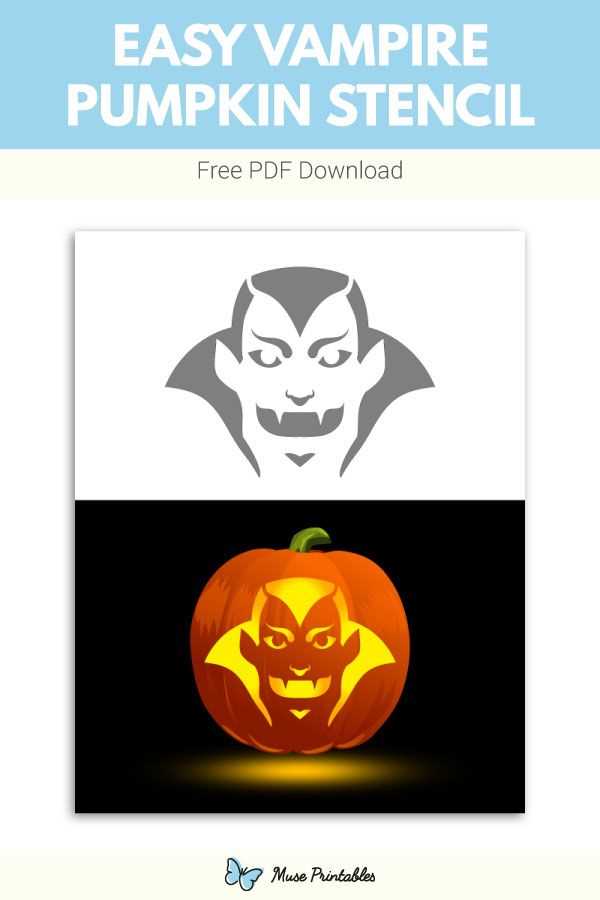
How to Use a Vampire Pumpkin Stencil for Easy Carving
Start by selecting a design that matches the effect you want to achieve. Choose an image with clear lines and well-defined shapes for easy tracing and cutting. Avoid overly complex patterns if you’re a beginner, as these may lead to frustration.
Print the design on sturdy paper or thin cardstock. Cut the image out with scissors or a craft knife, depending on the complexity. Be sure to leave enough space around the edges of the design so that you can easily handle it without tearing.
Once you have the template, position it on the surface you’re working on. Whether it’s a fruit, a carved block, or another material, make sure the image fits well and is centered. Secure the design in place with a small amount of tape to prevent it from shifting during tracing.
Next, use a pencil or pen to trace the design’s outlines onto the surface. If you’re working with a gourd or a similar material, lightly mark the design so it is visible but not too dark. You can always go over the lines later if necessary.
For the carving stage, choose the right tools based on the complexity of the design. A basic knife works well for larger areas, while finer tools such as detail cutters are great for intricate details. Use slow and deliberate motions to follow the traced lines, starting from the outside and working inward.
If the design includes both negative and positive spaces, ensure you carve carefully around the detailed areas. Take your time, as rushing this step can result in uneven lines or missed cuts. Keep a damp cloth nearby to wipe away any debris that may obstruct your view of the design.
After carving is complete, inspect your work for any rough edges or imperfections. Touch up these areas with a finer tool or use a rasp to smooth out the surface for a cleaner look. Adding some shading or texture with a marker or paint can enhance the overall effect.
Lastly, display your creation with pride. If it’s part of a larger setup, consider placing it in a well-lit spot to highlight the intricate design. Consider adding accessories like LED lights for a more dramatic effect, enhancing the visual appeal of your work.