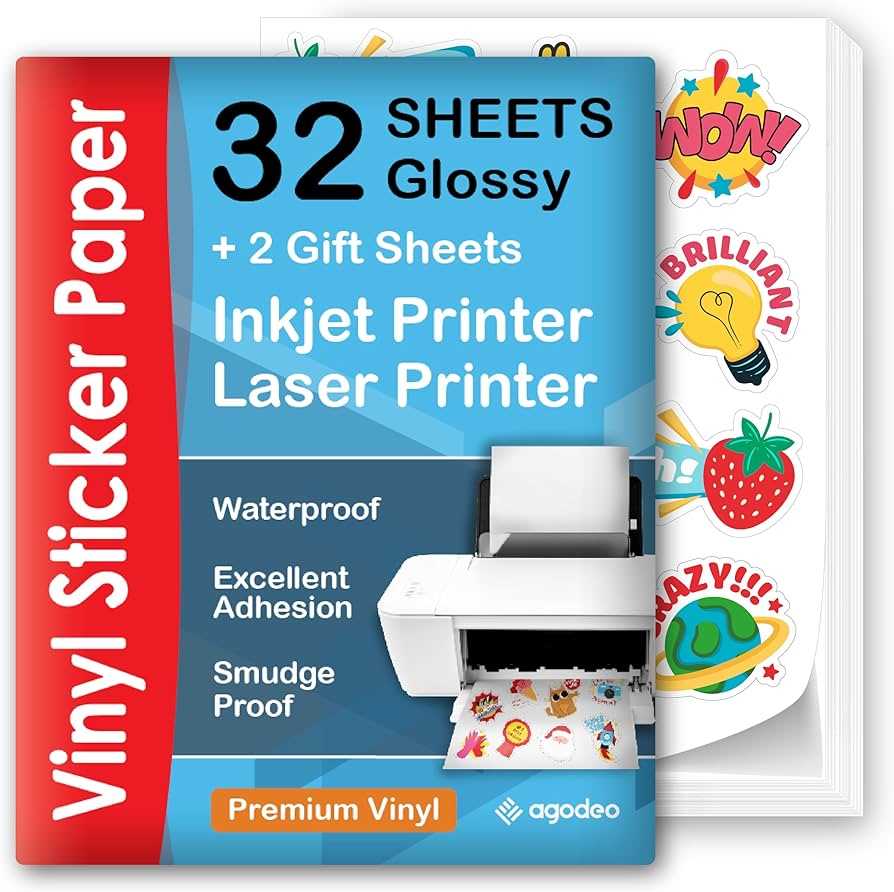
When selecting a material for vibrant, high-quality designs, look for a surface that offers smooth texture and vibrant color retention. This ensures your creations will have a crisp, professional finish. If you’re aiming to print labels, decals, or custom artwork, opt for materials that are designed to work with both inkjet and laser printers for consistent results.
Be mindful of the finish. Choose a type that provides a sleek, shiny appearance to enhance colors and give a polished look to any project. This is particularly important when you need your prints to stand out, whether for a marketing effort, crafts, or home décor. The right choice can make a significant difference in the final output quality, as a more reflective surface increases the sharpness and depth of the images.
Also, consider the weight of the material. Heavier stocks are better for projects that will be subjected to wear and tear, as they tend to be more durable and less likely to tear. For those looking to add a personal touch to items, such as custom invitations or unique labels, this type of surface provides a professional touch with its enhanced durability and finish.
Choosing the Best Material for Vibrant Prints
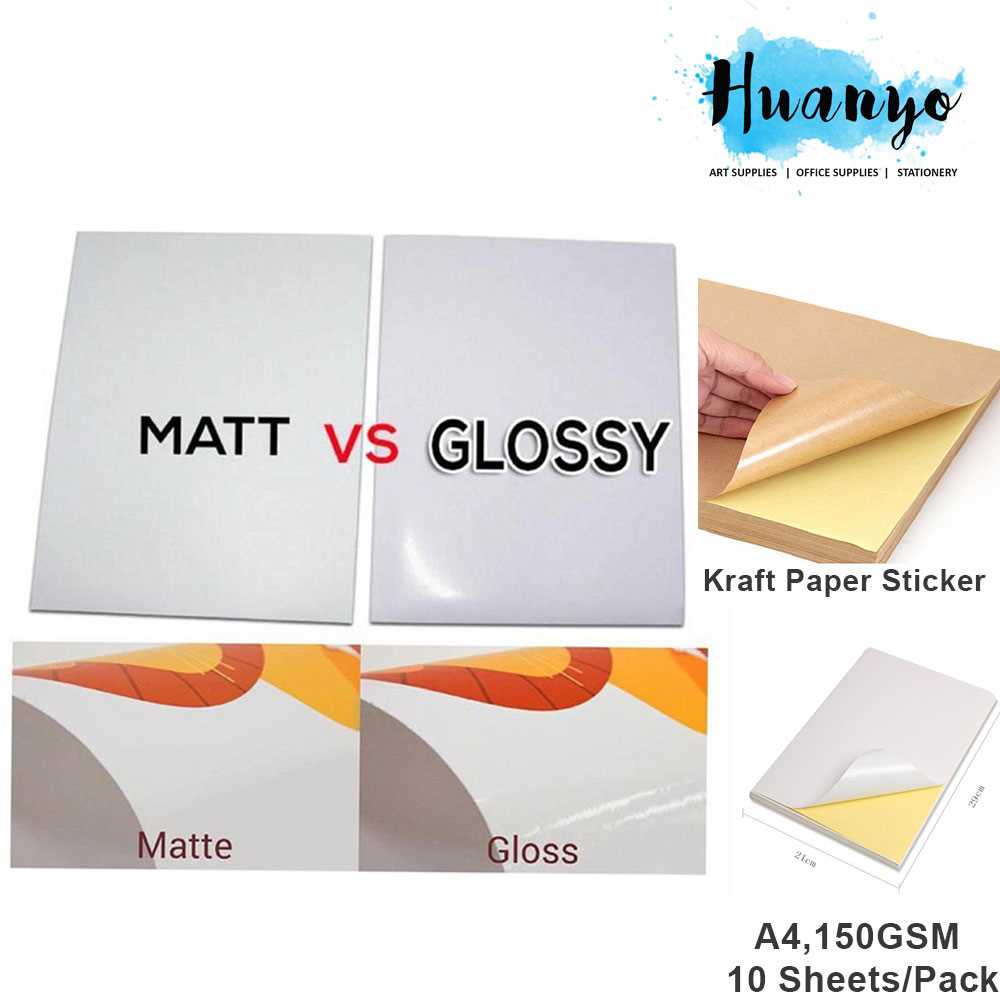
When selecting a high-quality material for custom designs, prioritize a smooth, reflective surface. This ensures your prints will capture every detail, from sharp text to intricate graphics. The reflective finish intensifies color saturation, making your designs stand out with clarity and brilliance. It’s especially important for projects requiring a polished, eye-catching appearance, such as product labels or decorative elements.
For durability and long-lasting performance, select a heavier stock. Heavier materials resist wear and tear, making them ideal for items that will be handled frequently or exposed to the elements. Whether you’re creating long-lasting decals or custom merchandise, the weight of the material contributes to its strength and longevity, providing you with a professional finish that maintains its quality over time.
Consider the compatibility with your printer type. Some surfaces are optimized for inkjet printers, while others are better suited for laser options. Make sure to choose the right type of media for your printer to avoid issues like smudging or poor color reproduction. Checking manufacturer guidelines will help you achieve the best results, ensuring your prints are sharp, vibrant, and durable.
How to Choose the Right Glossy Sticker Paper for Your Printer
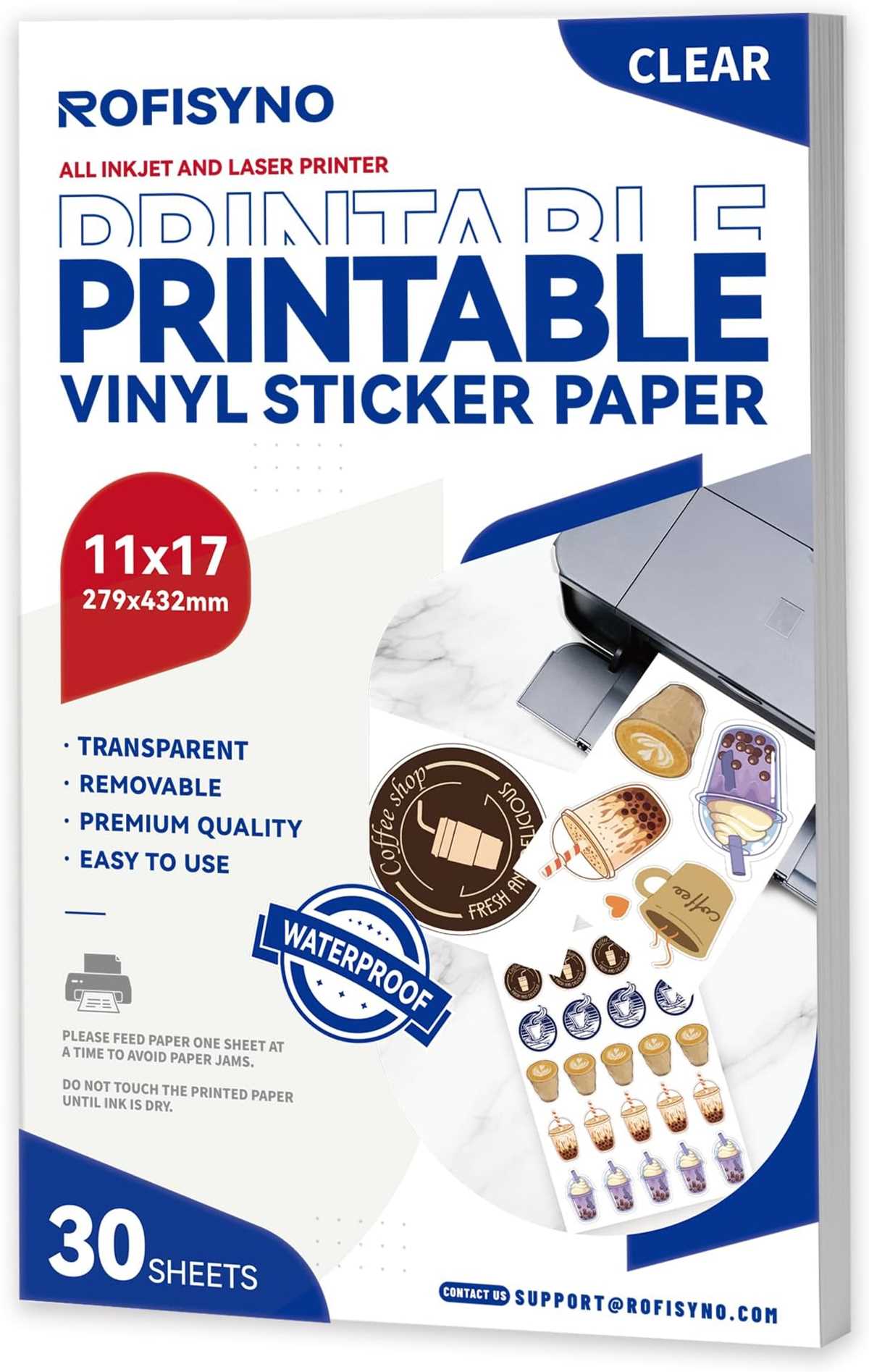
First, ensure that the material you select is compatible with your printer type. Inkjet printers work best with absorbent surfaces, while laser printers require a heat-resistant stock. Checking the manufacturer’s instructions is key to avoiding smudging or poor print quality.
The weight of the stock plays a crucial role in durability. Heavier options, around 230gsm or more, provide a sturdier feel and resist curling over time, making them perfect for high-quality designs. Lighter materials, on the other hand, are typically thinner and more flexible, suitable for temporary applications or lower-volume printing.
Consider the finish of the surface. A smooth, shiny finish will make colors appear more vibrant and give your prints a polished look. It’s ideal for creating decorative items or product labels. However, if you’re looking for a matte effect, choose a less reflective material that softens the colors but still maintains clarity.
The adhesive backing is just as important. Some materials offer permanent adhesion, while others can be removed easily. If you’re working on projects where you want flexibility–such as temporary promotions or customizable designs–a removable adhesive might be the best choice. For items that need to last, permanent adhesive ensures a long-lasting bond.
Pay attention to the printer settings required. Some specialized options require specific settings for the best results. Adjusting the print quality, paper type, and even temperature settings can impact the clarity and color vibrancy of your final product. It’s often necessary to perform a test print to confirm that the results meet your expectations.
For outdoor or more durable use, opt for waterproof coatings. These materials are treated to resist water and UV light, extending the life of your creations even in harsh conditions. If you’re making items for products that need to withstand exposure to the elements, this type of finish is a must.
Cost can also play a factor in choosing the right stock. Premium options typically offer better print quality, durability, and performance but come at a higher price. If you’re producing items in bulk and budget is a concern, consider balancing quality with cost by selecting a medium-weight material that still provides good results.
Lastly, always ensure that the material is compatible with your printer’s size and design limitations. If you’re working with smaller printers, check that the media fits within the printing area. For larger projects, wide-format printers and large sheets may be necessary for optimal results.