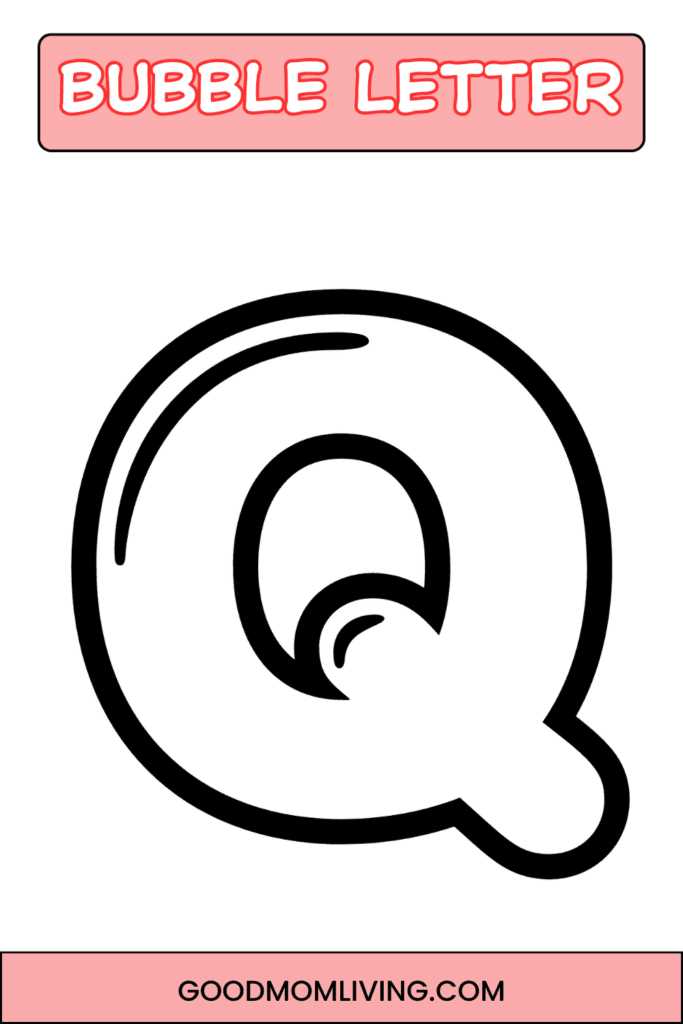
To help children learn and remember the letter Q, start with activities that focus on both recognition and writing. Use worksheets that highlight the shape and sound of the letter, and encourage kids to trace it repeatedly. This hands-on approach supports muscle memory, making the process enjoyable while reinforcing the connection between visual symbols and sounds.
Incorporate games and activities that connect the letter to words they already know. For example, include images of common objects like a queen, quilt, or question mark alongside the letter Q. This makes the lesson more relevant and helps children visualize the letter’s application in real life.
Printable exercises should include various formats, such as tracing, matching, and coloring. These methods not only enhance letter recognition but also promote fine motor skills. By providing a variety of activities that align with the child’s learning pace, you create an engaging and well-rounded approach to mastering the letter Q.
Letter Q Activities for Early Learners
Start with tracing exercises that help children develop motor skills while learning the form of the letter. Provide clear examples for them to follow, making sure the lines are bold and easy to trace. Offer both uppercase and lowercase variations to support well-rounded recognition.
Incorporate familiar words beginning with Q, like “queen,” “quilt,” or “quick,” alongside images that represent these objects. This allows children to connect the symbol with real-world items, which helps reinforce their understanding of the letter’s use.
Coloring sheets are another great tool to use. Include large, simple shapes that can be colored in, with the letter prominently displayed within the image. These activities allow children to practice the form of the character while enjoying creative expression.
Use matching activities where children match the letter with corresponding objects. For example, match a picture of a quail with the letter Q. This creates an interactive learning experience, keeping children engaged while reinforcing their ability to connect sounds with symbols.
Incorporate sorting exercises where children categorize words based on their initial letter. For example, ask them to sort images of animals, objects, and foods into groups starting with Q. These types of activities deepen their understanding of letter-sound associations.
Offer printable flashcards with various Q-related words and images. Flashcards allow for quick review and repetition, which is helpful in reinforcing memory and recognition. They can be used in different ways, from simple recognition games to more complex matching activities.
For children ready for a bit more challenge, try word searches or crossword puzzles that focus on Q-related terms. This encourages letter identification in different contexts and helps strengthen vocabulary skills.
Lastly, consider using interactive online resources alongside physical worksheets. Many websites offer engaging activities like drag-and-drop games and digital puzzles that provide instant feedback, making learning fun while reinforcing the skills practiced with physical printables.
How to Create Fun and Engaging Worksheets for Kids
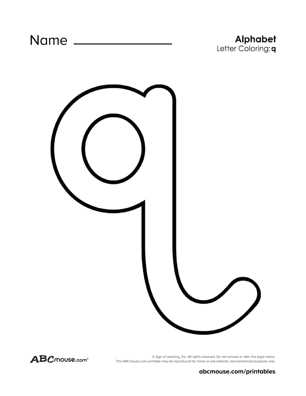
Begin with activities that combine the visual and auditory aspects of learning. For example, provide a worksheet where children are asked to match objects, such as a “queen” or “quilt,” with the corresponding symbol. This links the visual element of the letter to real-world items, helping reinforce recognition.
Use clear and large fonts for children to trace. Make sure to include both the uppercase and lowercase versions so they can become familiar with both. Consider adding dotted lines or arrows to guide their hands as they form the shape of the letter, which can enhance their muscle memory.
Incorporate simple, related words into the activities. Create fill-in-the-blank tasks where children must write words that start with the target letter. For example, include sentences like “The ____ is on the bed” with an image of a “quilt” to prompt them to fill in the missing word.
Design coloring activities that use the letter in creative ways. For example, have children color an image of a queen’s crown or a quirky animal, with the letter in bold in the center of the design. This allows for a fun approach while still reinforcing the main focus letter.
Interactive sorting activities can make worksheets more engaging. Provide a list of items or images, and ask children to sort them based on whether they start with the letter Q. For example, sorting “queen” and “quilt” from other unrelated words will strengthen their ability to identify the target letter in different contexts.
Incorporate games, such as word searches or crossword puzzles, featuring only words that start with Q. These help children recognize the letter in multiple formats and offer a fun challenge that engages both their reading and problem-solving skills.
Lastly, make the worksheet visually appealing by adding colorful borders, images, and fun fonts that keep kids excited. Keep the instructions simple and encourage creativity, ensuring the activity is both educational and enjoyable.