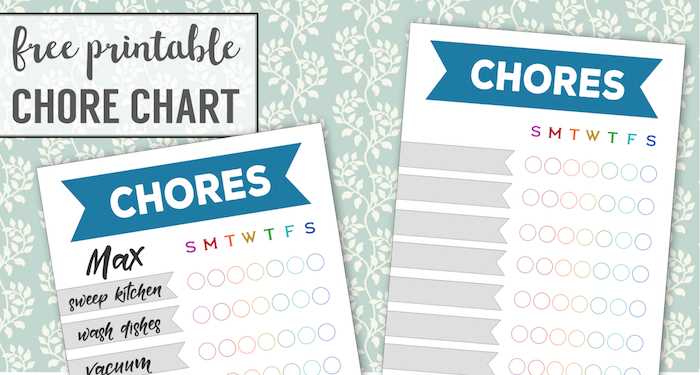
Begin organizing household tasks by creating a tailored schedule for all family members. Using a simple task tracker is a great way to ensure everyone knows their responsibilities and contributes to maintaining the home. You can design your own version based on specific needs, whether it’s daily, weekly, or monthly assignments.
To make this process seamless, use a structured format that outlines tasks clearly. Prioritize by the most urgent or frequent duties, then allocate them evenly across the household. Adjust the schedule as needed, ensuring flexibility to accommodate everyone’s availability. It’s a straightforward way to keep things running smoothly.
Once your schedule is ready, print it out and display it somewhere visible. This can serve as a visual reminder for everyone, helping to increase accountability and productivity. You may even involve the whole family in decorating or personalizing the schedule to make it more engaging and fun.
Organizing Tasks with a Structured Household Schedule
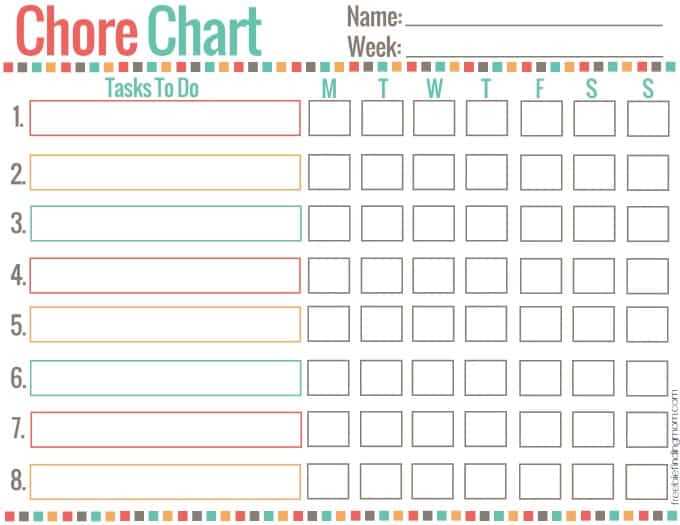
Start by setting up a simple yet effective schedule to manage all household duties. A task tracker helps distribute the responsibilities evenly, ensuring everyone knows their role and when to complete their assignments. This is especially helpful in larger households where chores can quickly pile up and become overwhelming.
Divide tasks based on frequency and priority. For daily tasks, consider items like dishes, sweeping, or taking out the trash. Weekly chores may include laundry or vacuuming, while monthly duties could involve deeper cleaning like washing windows or organizing storage areas. Assign each task to a person and a time frame that works best for them.
Provide clear space in your tracker for each person’s name, the task, and the date it needs to be completed. This structure allows each family member to quickly see what is expected of them, without confusion. Additionally, it helps track who completed each task, which can be motivating and encourage accountability.
If you want to add flexibility, allow space for additional or rotating tasks. This is especially helpful when a certain chore may need more attention one week than the next. The tracker can accommodate these changes, and your family members will appreciate the ability to swap tasks when needed.
For younger children or beginners, use simpler, more visual schedules. These can be decorated with fun images and colors to make completing the tasks more enjoyable. Using icons or stickers can add a playful element while helping younger ones understand what each task entails.
Once you’ve set up your customized schedule, print it and place it in a prominent spot where everyone can see it. The kitchen or hallway are great places for visibility. The key is to make it easy for everyone to access and refer to regularly. The more accessible it is, the more likely it will be used consistently.
Updating your schedule is also important. Tasks may change over time or get completed quicker than anticipated. Ensure there’s space on your tracker to make quick adjustments. This allows the tracker to remain a useful tool throughout the year, adjusting to your family’s evolving needs.
Finally, involve the whole family in the creation process. Ask for feedback on the tasks and how the schedule can be improved. When everyone has input, they will be more likely to stick to the plan and help out more. This collaborative effort will make the entire process smoother and more enjoyable for all involved.
How to Create a Personalized Household Chore List
Start by identifying all the tasks that need to be done around the house. Break these down into categories such as daily, weekly, and monthly duties. For example, daily tasks could include making the beds and washing dishes, while weekly tasks might involve vacuuming or cleaning bathrooms. Monthly chores could cover tasks like dusting baseboards or cleaning the garage. This structure allows you to prioritize and manage time effectively.
Next, consider each family member’s abilities and preferences when assigning tasks. For children, choose simple and fun responsibilities that they can handle, like wiping down surfaces or sorting laundry. Adults can take on more complex tasks, such as deep cleaning or outdoor maintenance. Adjust the difficulty of the tasks to ensure that everyone is involved but not overwhelmed.
To make the schedule more engaging, use colors or symbols to represent each person’s responsibilities. This visual approach helps everyone quickly understand what they need to do. Include a space to check off completed tasks, which offers a sense of accomplishment and encourages consistency. Adjust the plan as needed to ensure it’s both flexible and practical for your household’s specific needs.