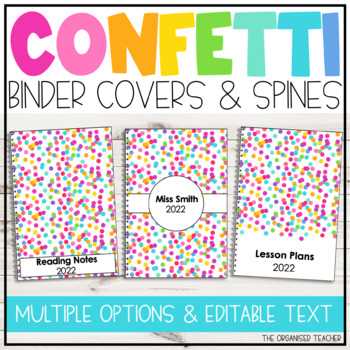
Start by selecting the right dimensions for your document organizer, whether you’re designing for a standard letter size or a more compact version. Choose a layout that best reflects your personal style or organizational needs. There are plenty of design tools available online, allowing you to customize patterns, colors, and text easily. If you’re printing at home, ensure that your printer settings match the paper type for the most accurate results.
Next, decide on the materials you want to use. While standard paper works fine, heavier card stock or even laminated sheets can offer more durability. Some websites also provide ready-made templates that can be tailored to fit your aesthetic preferences or functional requirements. For a polished finish, consider adding decorative elements like labels or unique fonts that represent your style.
Once you’ve settled on the design, printing is a crucial step. It’s important to check that your printer has enough ink and that the resolution is set to high quality. This will ensure crisp, clear images and text. If you don’t have access to a printer that can handle heavy paper or special finishes, many local print shops offer affordable printing services that can accommodate custom requests.
Choosing the Right Template for Document Organization
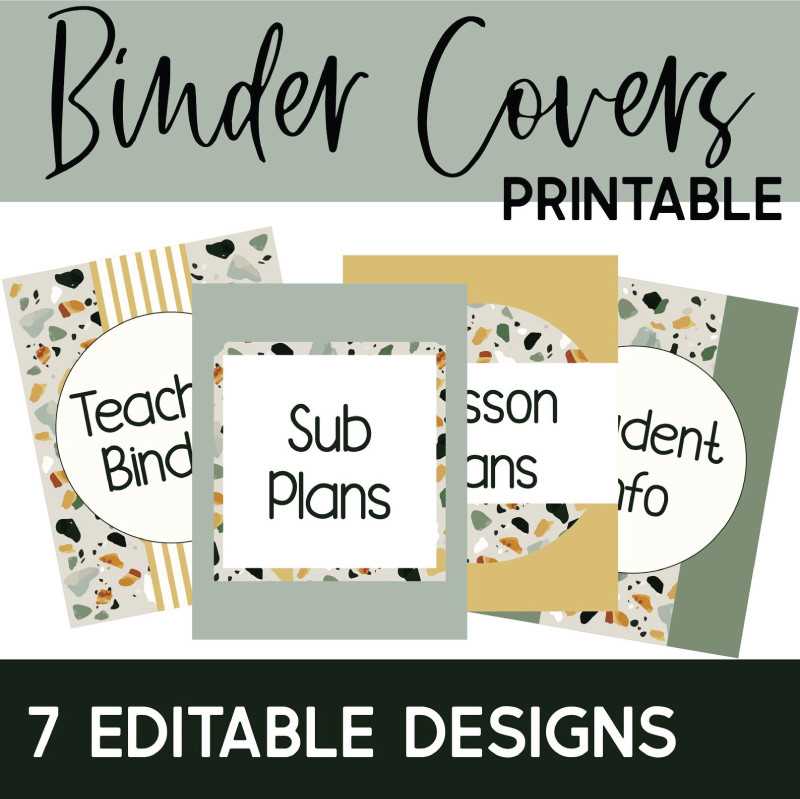
Select a template that aligns with your purpose. If you need a functional design, go for minimalistic styles with clean lines. For a more personal touch, consider adding custom colors or graphics. Many websites provide free downloadable designs tailored to specific needs, such as academic, professional, or home organization themes.
Ensure that the size of your design fits your documents perfectly. Standard measurements are typically used, but it’s important to check the dimensions before printing. Templates can be resized if needed, but doing so can sometimes affect the quality of the print, so take care with scaling.
If you want a professional look, opt for higher-quality paper. Thicker cardstock will give your documents a more durable, polished appearance. Consider laminating the pages for added protection against wear and tear, especially if you plan to use them frequently.
For customization, incorporate your personal branding or preferred fonts. Many tools allow you to choose font styles, sizes, and colors to suit your aesthetic. You can also add text boxes for labeling different sections or categories. The more tailored the design, the more it will feel unique and functional.
Test your printer settings before printing the final version. Ensure the quality is set to its highest resolution for the best results. If printing at home, check your printer’s capabilities to handle heavier papers or glossy finishes, which may require specific settings.
If you lack a printer capable of handling these requirements, many print shops offer professional services that will print and cut the designs to your specifications. This option can save you time and ensure the best possible result, especially for larger quantities or specialized materials.
How to Design Custom Binder Covers for Personal Use
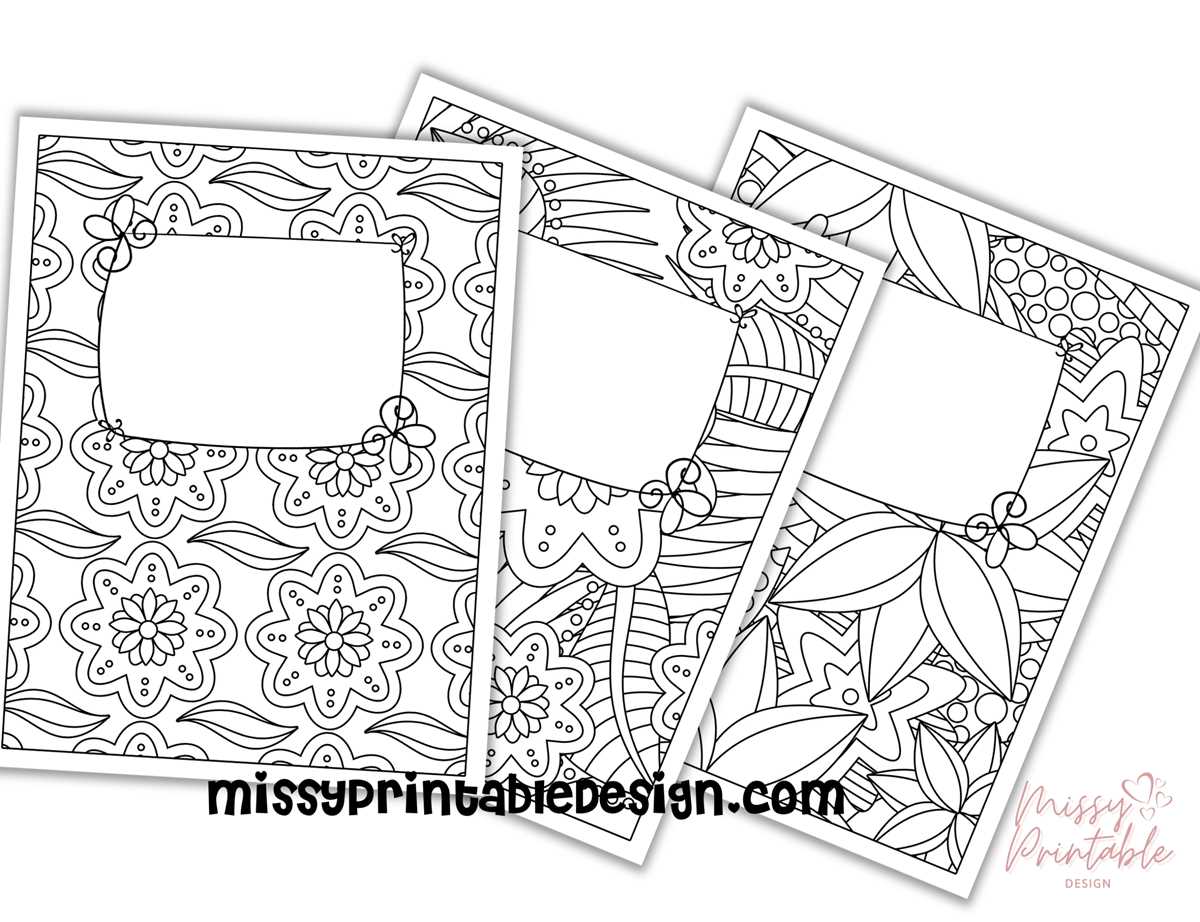
Begin by selecting a template that reflects the theme you want. Look for customizable designs that allow you to adjust elements like colors, text, and images. Online design tools offer various pre-made options that can be adapted to personal needs. Alternatively, you can create your own from scratch using graphic software or online platforms.
Choose a size that matches your organizer. Standard measurements are typically 8.5 x 11 inches for letter-size documents, but check the dimensions of your organizer before starting. Resizing the template to fit your specific needs ensures the design will look proportional and neat once printed.
Decide on the style you want for the front. If you’re designing for organization, a simple text label with a clean font will work well. For something more decorative, consider adding a border or background pattern that suits your personality. Experiment with different fonts and text alignments to find what’s most visually appealing.
- Use a solid color for a professional look.
- Add an image for personalization or thematic decoration.
- Incorporate symbols, logos, or quotes for a unique touch.
Before printing, preview your design to ensure everything fits within the margins and is aligned correctly. Test print on standard paper first to check for color accuracy and text clarity. Once satisfied with the result, print the design on heavier paper or card stock for a more durable finish.