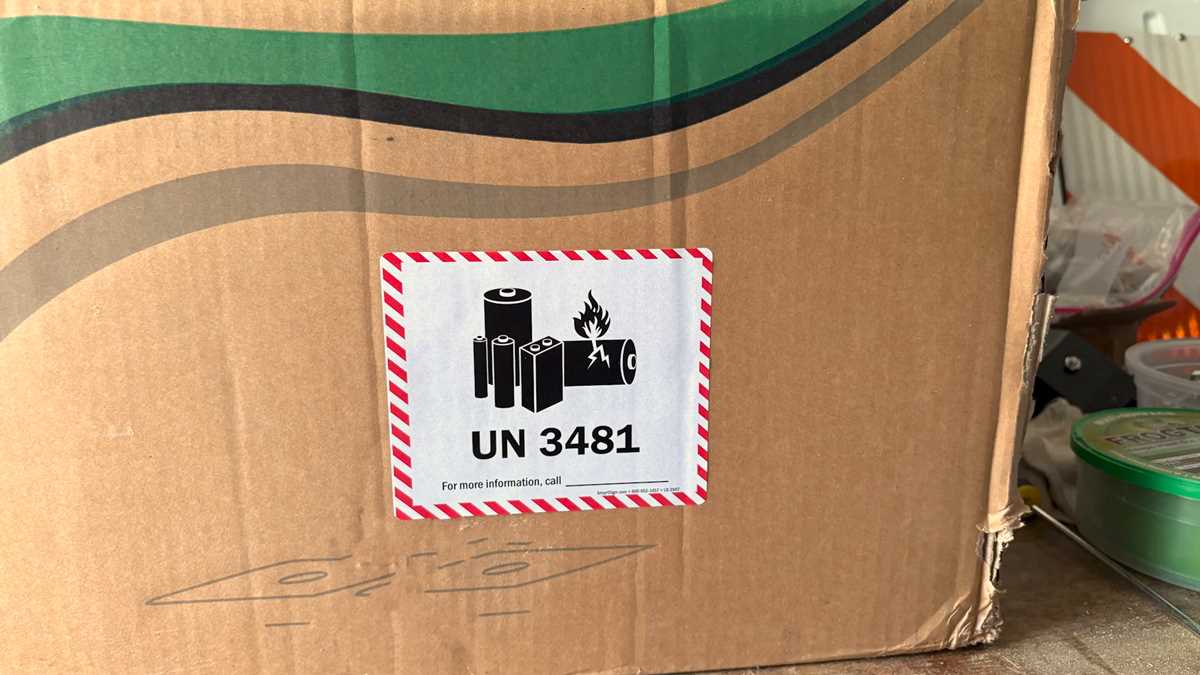
Use the lithium battery handling mark for equipment shipments whenever a package contains cells installed in or packed with devices; apply the 120 × 110 mm format for standard cartons and reduce to 105 × 74 mm only when package dimensions do not allow the larger version. The graphic must display the battery symbol with a flame and the UN number 3481 beneath it, printed in black on a white or contrasting background with a red diagonal border at least 5 mm wide.
Place the hazard marking on one visible side of the outer packaging, avoiding seams, closures, and curved edges. For parcels exceeding 30 kg, affix the graphic on at least two opposing sides. Maintain sharp resolution at 300 dpi or higher to prevent blurred pictograms that inspectors may reject. Use weather-resistant adhesive stock or synthetic paper for air cargo and maritime freight to prevent ink bleeding or peeling during transit.
Follow IATA Dangerous Goods Regulations and IMDG Code packing instruction 967 or 970, depending on whether batteries are installed in equipment or packed separately. Ensure each lithium-ion cell does not exceed 20 Wh and each battery pack does not exceed 100 Wh unless shipped under Section IA or IB with additional documentation. Remove or protect exposed terminals to prevent short circuits and secure devices against activation.
Do not substitute this handling graphic with a Class 9 hazard diamond unless shipment conditions require full dangerous goods declaration. For most small consumer electronics consignments moving under Section II, the handling mark alone is permitted, accompanied by a document indicating the package contains lithium-ion batteries and providing a contact telephone number for additional information.
Before dispatch, verify contrast, border thickness, and UN number legibility under warehouse lighting conditions. A pre-shipment audit checklist should confirm battery watt-hour ratings, packaging integrity, and correct hazard communication on every carton to avoid carrier refusal, customs delays, or financial penalties.
UN3481 Printable Label Requirements, Formats, and Compliance Steps
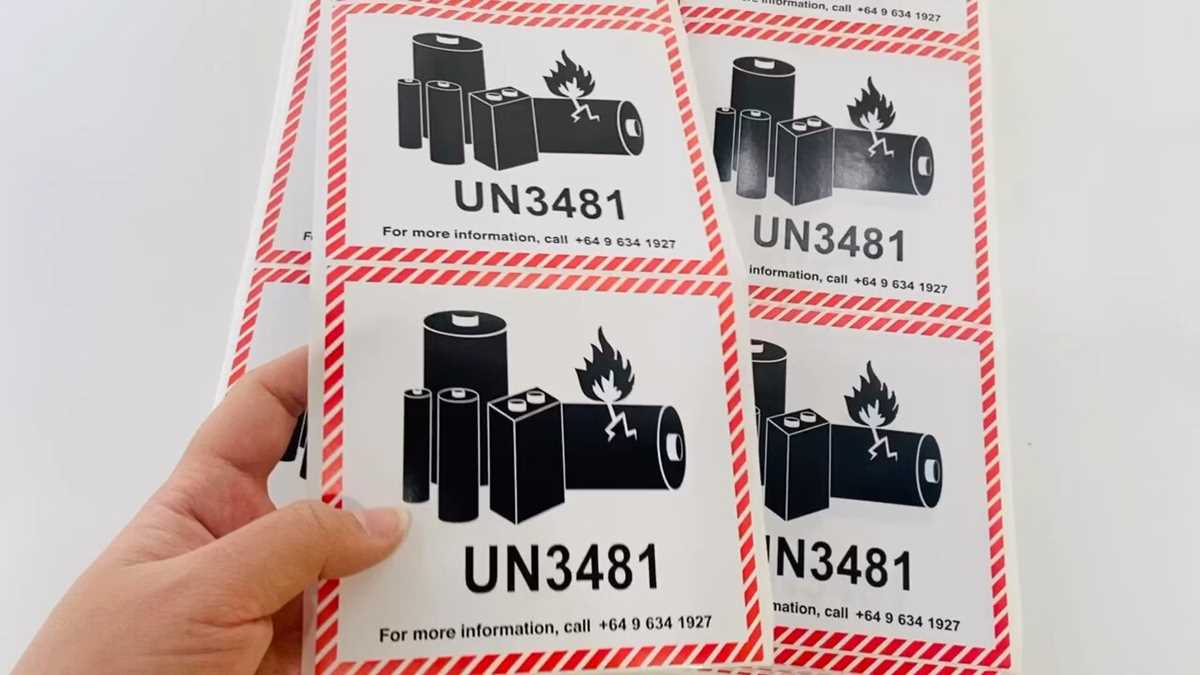
Use a Class 9 lithium battery handling mark sized at least 100 mm × 100 mm for standard packages; reduce to 100 mm × 70 mm only when the package dimensions do not allow the square format. The graphic must display black battery symbols with a damaged battery icon emitting flames, a red diagonal hatch border (minimum 5 mm wide), and the UN number “3481” printed in the lower portion. All elements must remain clearly legible after printing and application.
Follow the specifications set by IATA DGR Section 7.1.5, ICAO Technical Instructions, IMDG Code 5.2, and 49 CFR 173.185 for U.S. ground transport. The marking applies to lithium-ion cells or batteries packed with equipment or contained in equipment. Packages exceeding Section II limits or shipped under fully regulated provisions require the Class 9 hazard diamond in addition to the lithium battery mark.
Produce the marking in high-resolution vector PDF (minimum 300 dpi for raster output) to prevent pixelation around the red striped frame and battery pictogram. Use durable adhesive stock resistant to moisture and abrasion; paper stock must withstand handling without tearing. Color accuracy matters: the hatch border must be red (Pantone 186C or equivalent CMYK mix), and all other graphics must be solid black on a white background.
Place the lithium battery mark on one side of the outer package, away from seams and closure tape, ensuring it is not folded or wrapped over edges. It must be visible without turning the shipment and must not be obscured by other transport markings. If the package also bears orientation arrows or a cargo aircraft only mark, maintain clear separation between symbols to avoid misinterpretation during inspection.
Insert a telephone number within the marking when required by the applicable regulation; the number must provide access to a person knowledgeable about the shipment. Characters must be at least 6 mm high. Verify that the UN number corresponds precisely to lithium-ion batteries packed with or contained in equipment; do not substitute codes assigned to lithium metal cells.
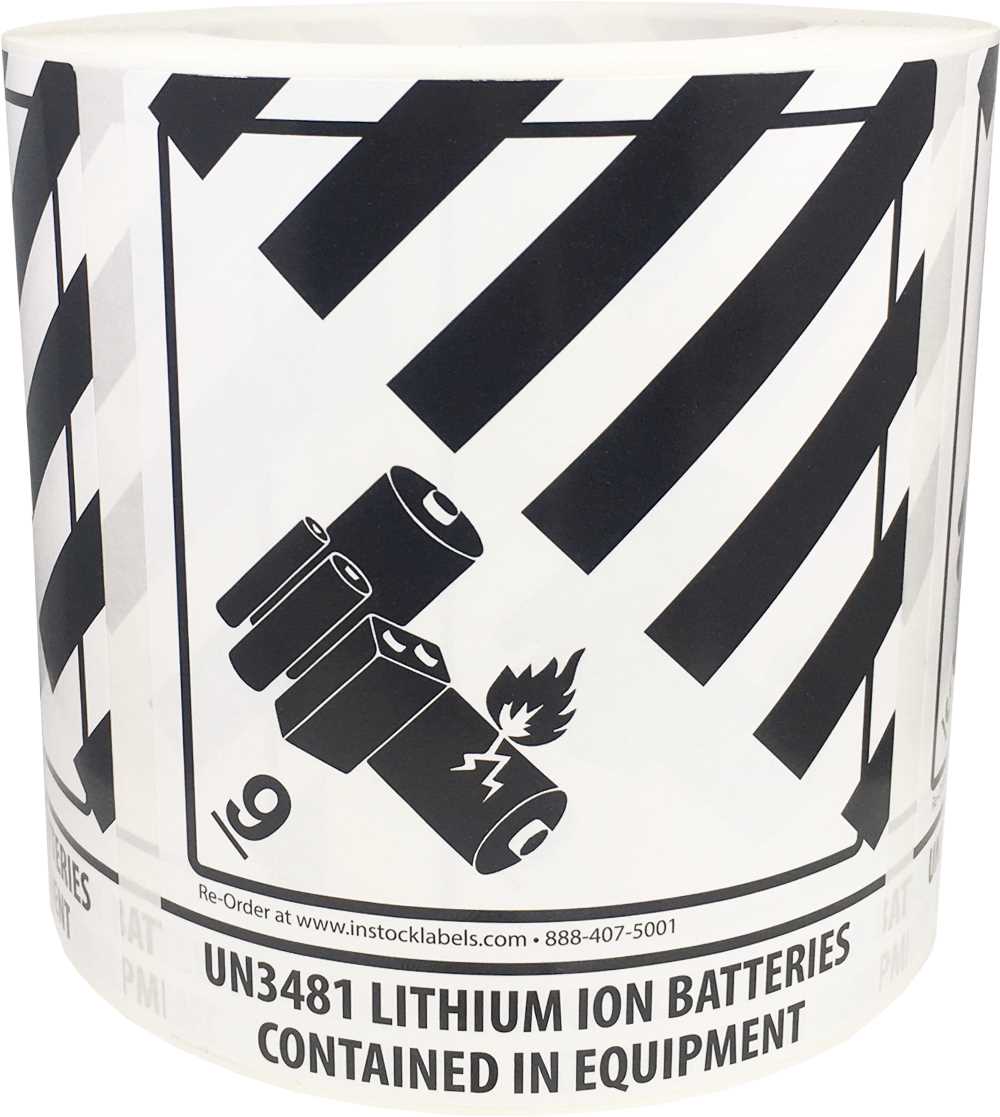
Confirm weight and quantity thresholds before applying the lithium battery mark alone. For air shipments under Section II of IATA DGR PI 966 or PI 967, confirm watt-hour ratings (≤100 Wh per battery unless approved) and cell limits. If limits are exceeded, upgrade to full dangerous goods declaration, apply the Class 9 hazard diamond, and include a Shipper’s Declaration form.
Document compliance by retaining test summaries per UN Manual of Tests and Criteria Part III, Sub-section 38.3, along with packaging performance data and training records for staff preparing the shipment. Conduct a final inspection: verify dimensions with a ruler, confirm color contrast, check adhesion strength, and ensure no outdated artwork is used. A documented checklist reduces the risk of rejected cargo and regulatory penalties.