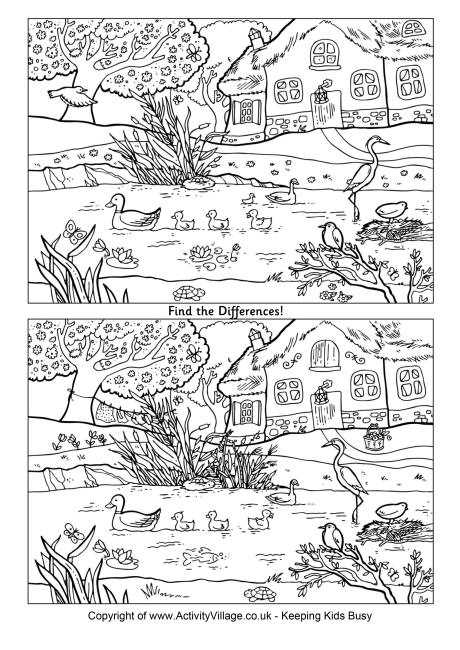
To enhance focus and visual skills, use puzzles that challenge you to find subtle variations between two similar images. These activities are ideal for developing attention to detail and can be fun for all ages. Print out a set of images, ensuring they contain enough changes to be engaging but not too many to make the task frustrating.
For optimal results, choose images with clear contrasts between elements, such as color differences, size variations, or object displacement. The more distinct and noticeable the changes are, the more enjoyable the activity becomes. Aim for around 5-10 differences per image to keep the puzzle challenging yet manageable.
Once you’ve printed the puzzle, take time to analyze each image carefully. Work methodically by scanning different areas of the pictures, and focus on the smaller details like patterns, shadows, or shapes. With practice, your ability to spot inconsistencies will improve, offering both mental stimulation and entertainment.
Spot the Difference Printable
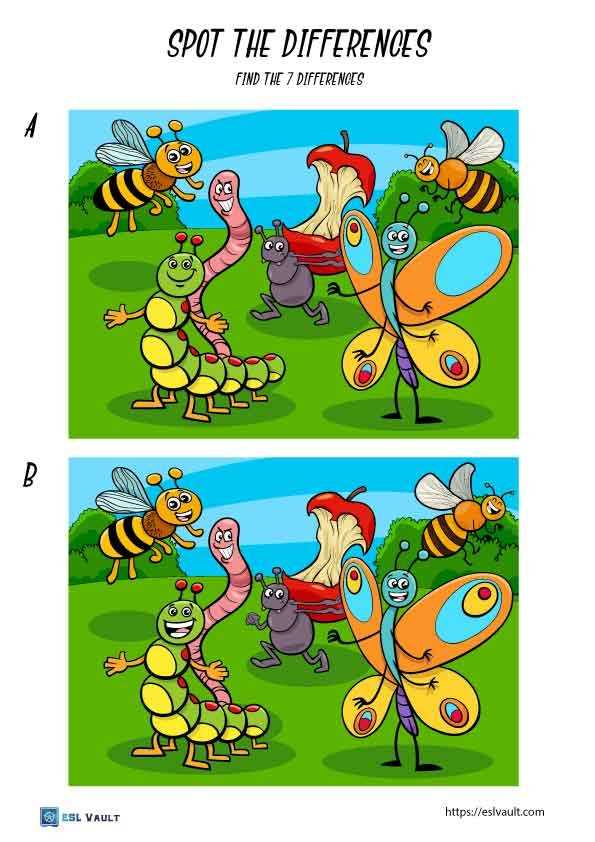
Start by ensuring that each puzzle has a balanced number of discrepancies. Too few changes can make it too easy, while too many might discourage players. Aim for a mix of obvious and subtle alterations that require close attention to detail.
For better engagement, use images that are visually rich with varied elements such as people, objects, or scenes that naturally lend themselves to alterations. Introducing color contrasts, size variations, or missing elements keeps the puzzle both fun and challenging.
Finally, consider adjusting the difficulty based on your audience. For younger children, use simpler images with larger discrepancies, while more advanced puzzles can feature complex patterns or hidden objects. Always remember to test the puzzle yourself before sharing it to ensure it’s neither too easy nor too hard.
How to Create Engaging Spot the Difference Puzzles
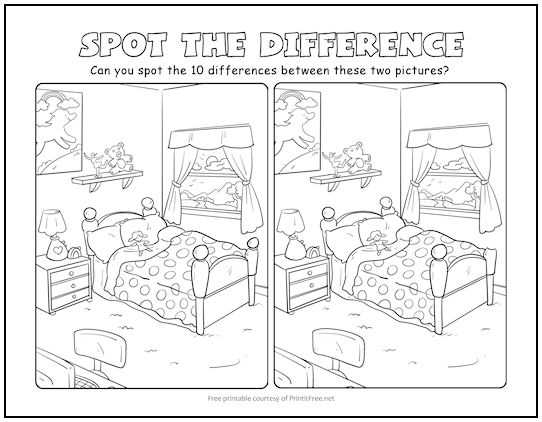
Start by selecting a clear, simple base image with various objects or elements. This will give you flexibility when adding modifications, ensuring they are noticeable but not overly obvious. A well-constructed base will allow for subtle changes that require the viewer’s attention.
Next, focus on making changes that vary in difficulty. For example, move an object slightly, change its color, or alter its size. These subtle differences will challenge the player without making the puzzle frustrating. Keep the alterations diverse to maintain interest.
Consider using multiple themes for different difficulty levels. For younger audiences, simple objects with noticeable differences work best, while more complex scenes with intricate details and subtle changes are suited for older players. Varying the difficulty will keep players engaged over time.
Finally, make sure the differences are balanced across the image. Avoid clustering too many changes in one area, as this can make the puzzle too easy. Distribute the discrepancies evenly throughout the image, making the search both challenging and rewarding.