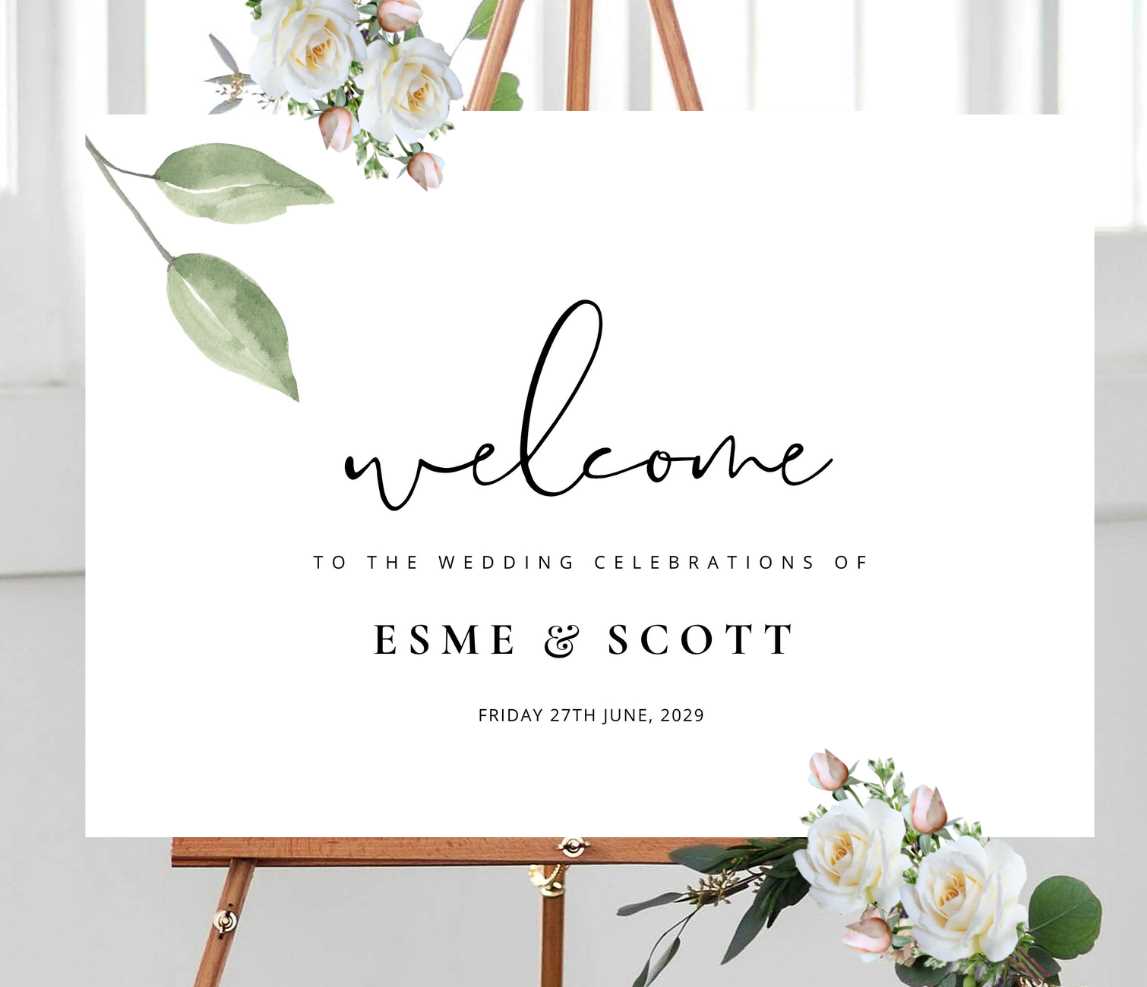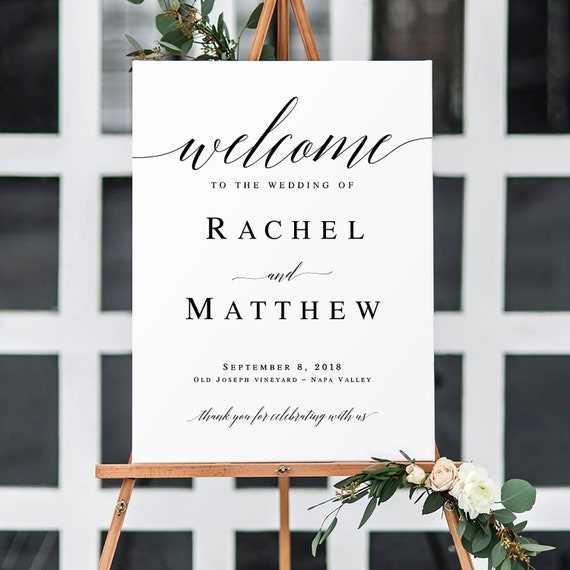
Start by selecting a style that matches the tone of your celebration. Whether you prefer a rustic, modern, or elegant look, choosing the right font and color scheme will help set the mood. For a rustic feel, consider using earthy tones and calligraphy fonts, while a modern style might benefit from minimalistic, bold designs with a monochrome palette.
Next, determine the purpose of each piece. Clear directional cues, seating arrangements, or welcome messages all serve practical roles, but can also add to the decor. Focus on the layout and readability; avoid cluttered designs that may confuse guests. Use large fonts and space the text out for easy viewing from a distance.
Finally, make sure to choose durable materials. Cardstock is a common option for simple designs, while thicker paper or foam boards can support heavier signage. If the event is outdoors, waterproof or weather-resistant materials are necessary to ensure longevity. Consider using online templates to help you create polished designs that align with your overall theme.
Customizable Designs for Event Decor
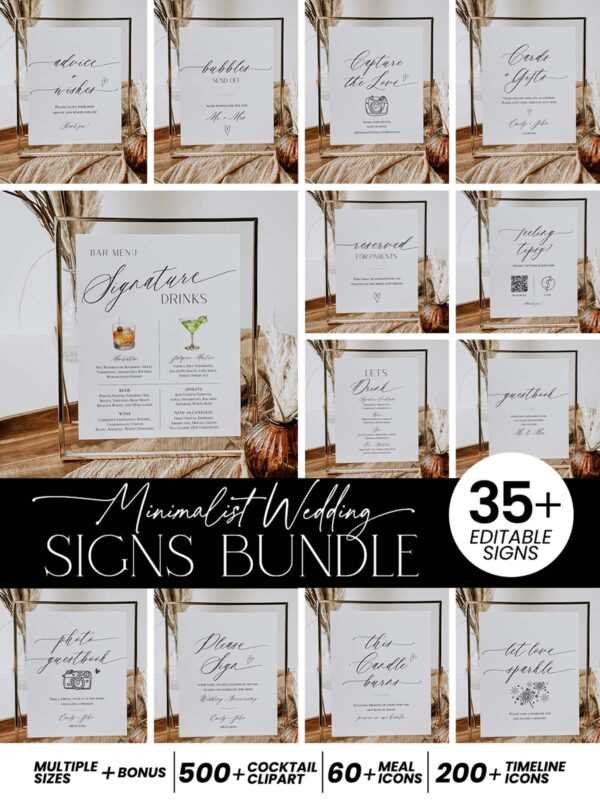
Choose a clear and cohesive style for your decor. Depending on the venue and theme, you can use minimalist designs with bold text for a modern touch or opt for more intricate fonts for a vintage or romantic look. When creating custom pieces, focus on legibility. Select fonts that are easy to read from a distance, especially for directional signage or key messages.
For materials, consider the setting. For indoor events, high-quality cardstock or glossy paper works well and provides a polished finish. If your event is outdoors, opt for durable materials like foam board, acrylic, or laminated designs to withstand the elements. Don’t forget to include stands or frames that match the style of your decor to ensure stability and proper display.
Lastly, strategically place your printed designs to maximize their effectiveness. Directional markers should be placed at key intersections to guide guests, while welcoming or informational signs should be visible as soon as they enter. Custom signage can also serve as memorable photo opportunities, so think about where they can add both function and style to the overall ambiance.
How to Design and Customize Event Decor for Any Theme
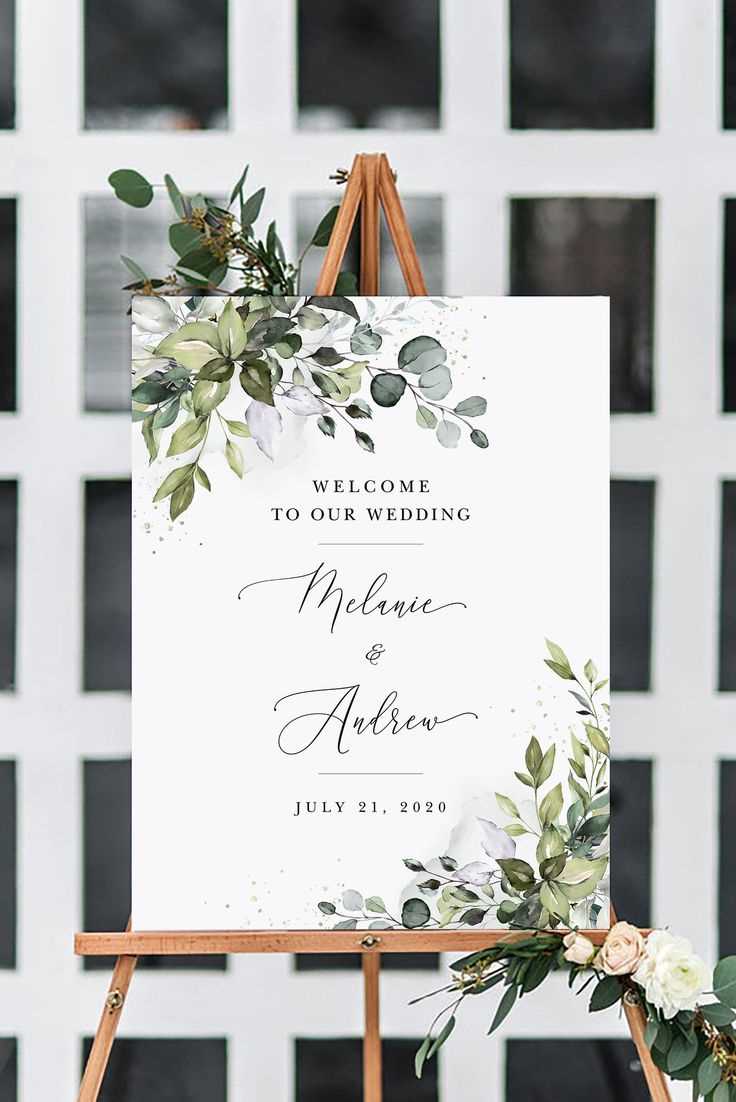
Start with a clear vision of your event’s overall theme. Whether it’s rustic, modern, vintage, or bohemian, your designs should reflect the tone of the celebration. For a rustic atmosphere, use earthy colors and natural materials like wood or burlap. For a modern look, sleek lines and minimalist fonts work best with bold colors. The theme should guide every design decision, from typography to color schemes.
Choose fonts that align with the style you’re aiming for. For formal or elegant events, use serif fonts like Times New Roman or Baskerville. For more casual or contemporary themes, opt for sans-serif fonts like Helvetica or Arial. Mixing fonts can also add visual interest, but limit yourself to two or three styles to maintain readability.
Next, think about the text you want on each piece. Whether it’s directional arrows, a welcome message, or a special quote, the wording should be short, clear, and impactful. Avoid clutter by keeping the message concise. If you’re creating a seating chart or directional sign, be sure to use larger text for easy viewing from a distance.
For color schemes, pick shades that complement your overall design. Neutral tones like white, cream, or gray work well in formal settings, while pastels or bright colors can add a playful touch to casual or seasonal events. Consider the venue’s existing colors and decor to ensure your printed pieces blend seamlessly with the surroundings.
Material choice is crucial. For indoor events, sturdy cardstock or heavy paper is often the best option, as it provides a professional look. Outdoor pieces should be made of weather-resistant materials like foam board, acrylic, or laminated paper to ensure they hold up in varying conditions. If durability is a concern, choose materials with a smooth finish for easy cleaning.
Once your designs are finalized, consider adding embellishments. For a vintage look, lace or ribbon can be used to frame your pieces. For a more modern style, consider geometric shapes or metallic details to make the design pop. A simple border or graphic element can help tie the design together, especially for directional pieces or entryway decor.
Finally, ensure your designs are printable in high resolution. High-quality files ensure crisp, clear prints without distortion. Always check the dimensions of your design to ensure they match the size of the paper or material you plan to use. Test print on standard paper before printing on the final material to avoid wasting resources and ensure the final product meets your expectations.