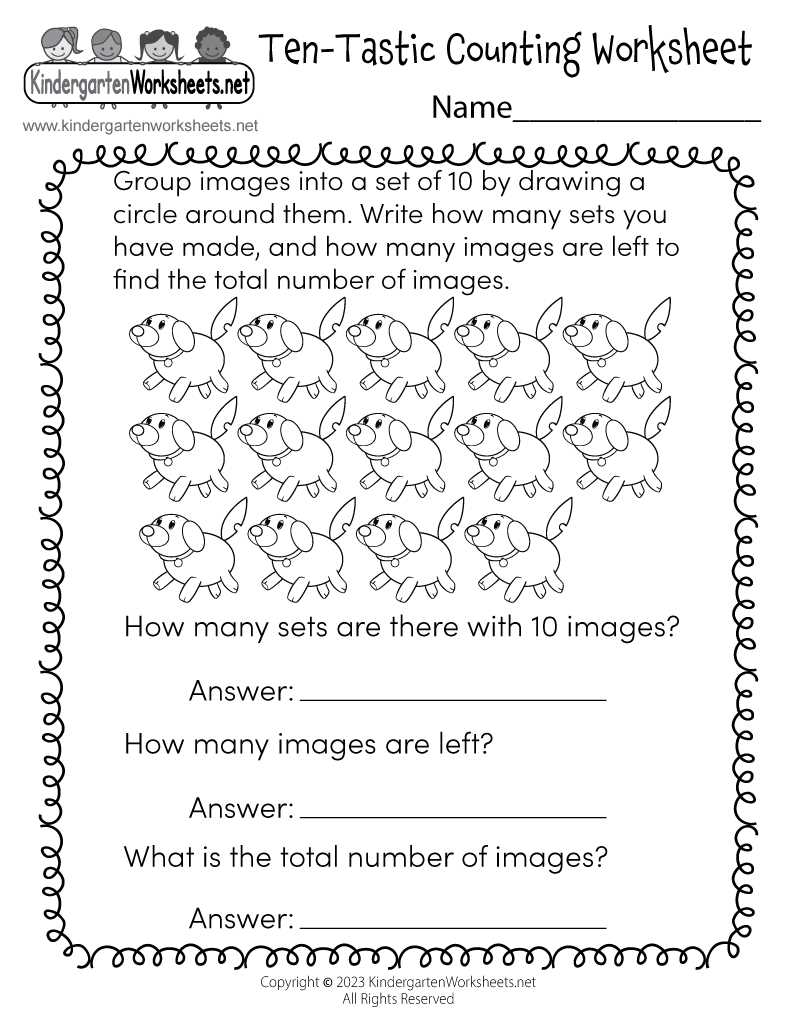
To help children master number sequences, start by using simple exercises that focus on increments of ten. These activities allow kids to recognize patterns and develop a better understanding of arithmetic.
One way to engage children is through interactive sheets that involve filling in missing numbers. This method encourages active learning and reinforces the connection between numbers. By practicing regularly, they will begin to recognize the pattern automatically.
You can customize these activities to fit the child’s skill level. Start with small ranges, such as counting from 10 to 100, and gradually increase the range as they become more confident. This gradual progression ensures they are always challenged without feeling overwhelmed.
Worksheets for Number Sequences
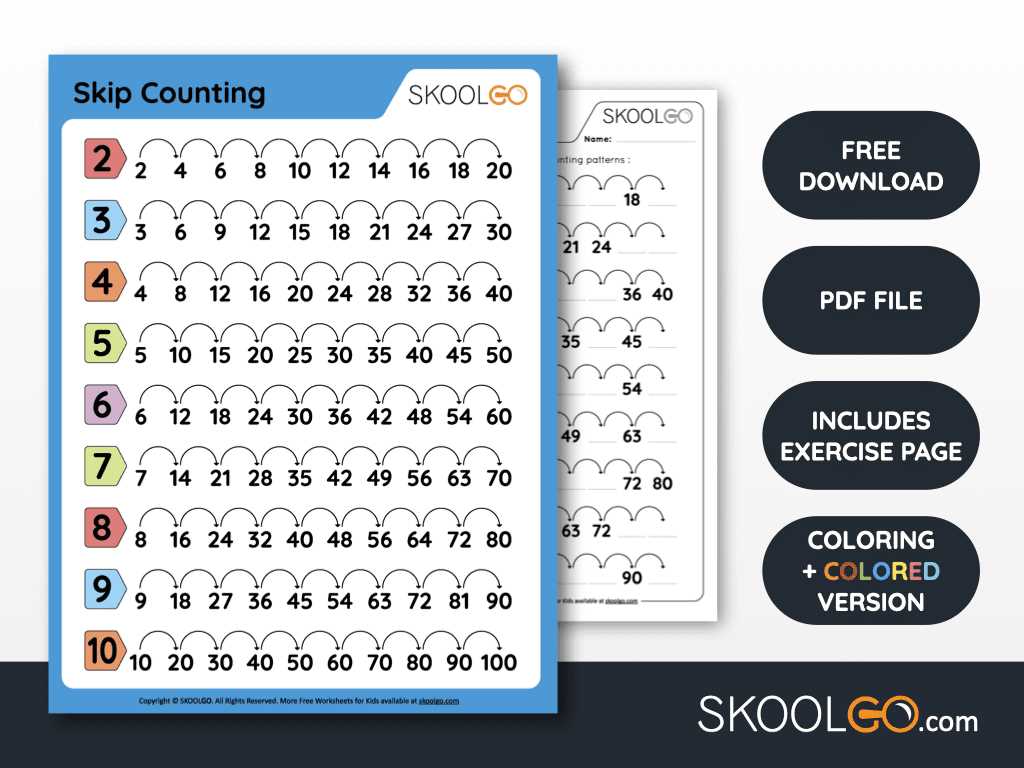
To practice number sequences, create worksheets where kids can fill in the missing numbers within a range. This helps them identify patterns and gain confidence in recognizing intervals. For example, provide a row of numbers like 10, __, 30, __, 50, and so on, and have them fill in the blanks.
As children advance, introduce variations such as counting backward or using larger numbers. This challenges them to think critically while still reinforcing the basic principles of arithmetic. You can also add visual elements like pictures or number lines to help make the exercises more engaging.
Another approach is to mix in simple word problems that require applying number patterns to real-life scenarios. For instance, “If you have 10 apples and add 10 more, how many do you have?” This encourages kids to see the relevance of math in everyday situations.
Introduce some variation by using charts that show numbers in a table format. This method is particularly helpful for visual learners, as it allows them to easily see the relationships between numbers. You could also use blank grids where they must write the numbers themselves, reinforcing their understanding of number intervals.
To add a creative aspect, incorporate themes like treasure hunts or sports scores into the exercises. This keeps the experience fun and interactive while still focusing on the task at hand. For example, ask them to “find the next number in the treasure map sequence” or “score points in the number race.”
For students who need more practice, provide multiple sheets with increasing difficulty. Start with counting in increments of 10 from 10 to 100, then move on to higher ranges like 100 to 1000. Gradually increase the challenge while keeping the format consistent, so students don’t feel overwhelmed.
Once students are comfortable with these exercises, incorporate time-based challenges to add a competitive element. For example, give them a time limit to fill in the number gaps or solve the problems. This helps them build speed and efficiency in recognizing number patterns.
Finally, track progress by having students keep a record of their completed worksheets. This allows you to monitor improvements over time and identify areas where additional practice may be needed. It also gives children a sense of accomplishment as they see their skills grow.
How to Use Worksheets for Beginners
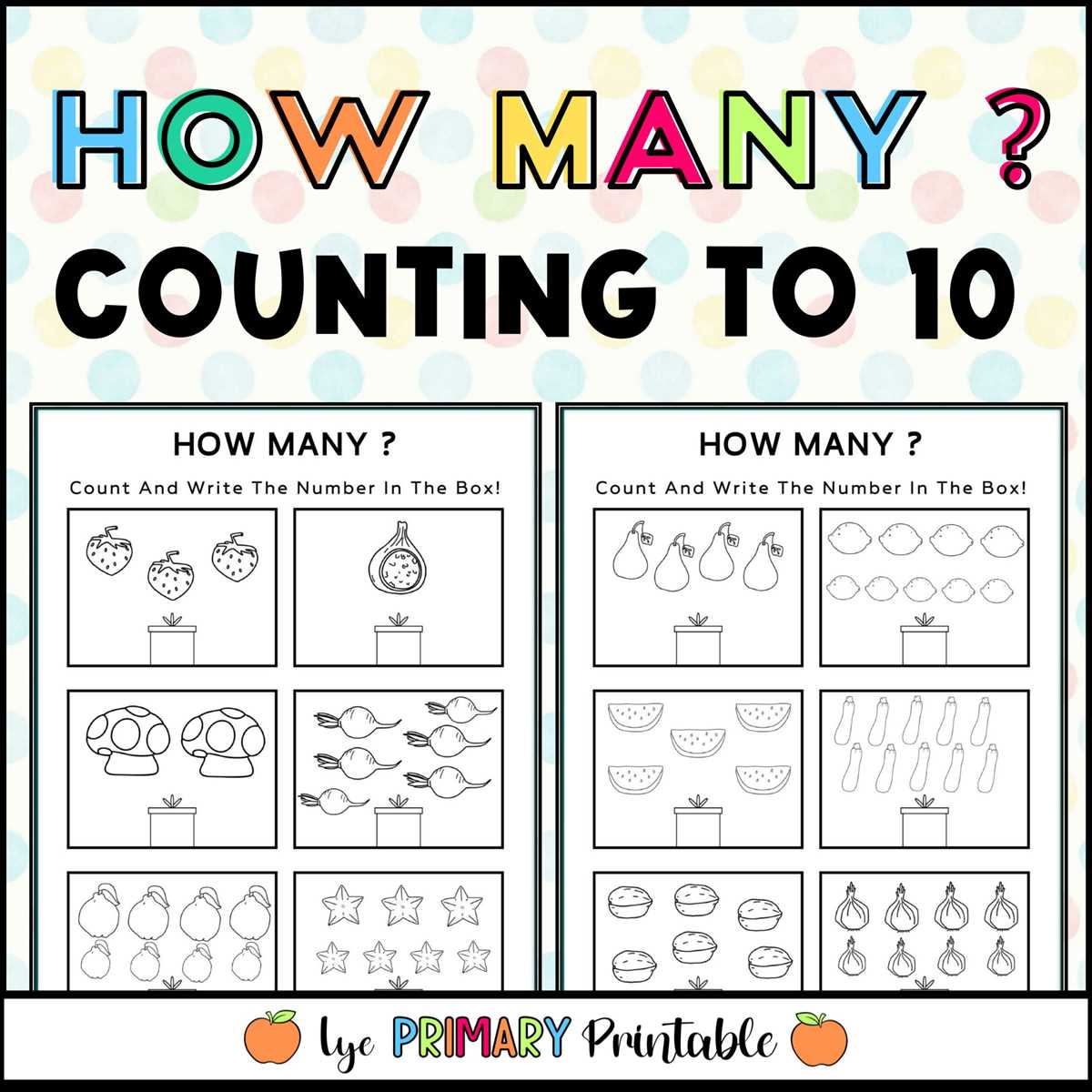
For beginners, start with simple exercises that focus on small increments, like adding 10 to the previous number. Use worksheets with clear number sequences where the child can fill in the gaps. This helps them visually understand the pattern without feeling overwhelmed.
Introduce interactive activities by adding images or objects related to the numbers. For instance, after completing the first few rows, ask the child to count objects (like groups of 10 blocks or apples) to further reinforce the concept. This hands-on approach strengthens their connection to the numbers.
Gradually increase the complexity by extending the range of numbers and introducing more challenging exercises, such as skipping numbers in between or recognizing patterns in a broader context. Keep each practice session short and focused to maintain their attention and build confidence step by step.