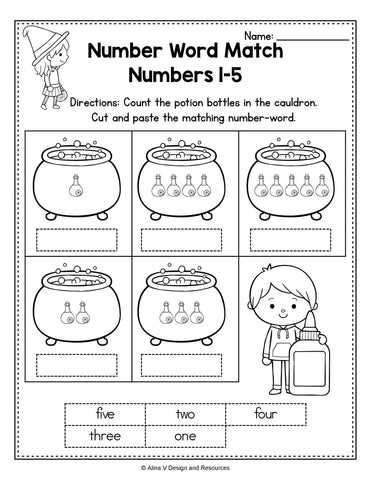
Start with a simple matching game using spooky characters. This printable offers a great way for young minds to connect images of pumpkins, bats, and ghosts to their corresponding silhouettes. Such activities improve visual recognition and fine motor skills, while maintaining a fun, festive theme. Simply print, cut, and let the little ones begin their matching challenge.
Next, introduce a coloring sheet featuring playful witches and friendly monsters. This kind of printable allows children to express creativity through color choices while also refining hand-eye coordination. Providing a range of colors for them to choose from encourages decision-making and adds to the interactive experience.
If you’re looking to incorporate numbers or letters, consider a scavenger hunt style activity with themed items like candies or cobwebs. Printables that involve searching for specific shapes or symbols around the room support memory development and attention to detail. It’s a perfect mix of fun and education that works well in small groups or individually.
HTML
Creative Seasonal Worksheets for Young Learners
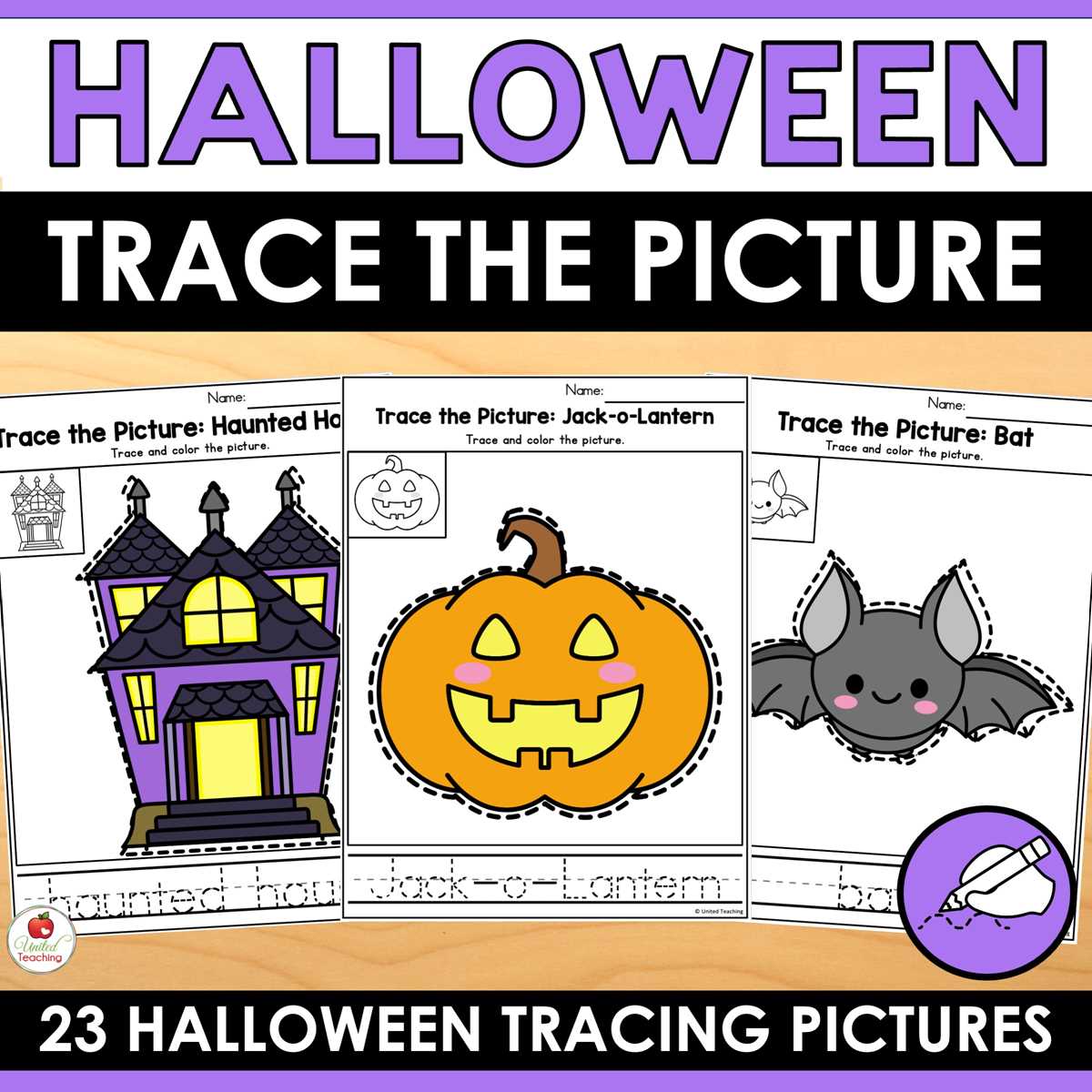
Start with coloring sheets featuring common fall symbols. These pages, filled with pumpkins, leaves, and black cats, help little ones practice holding crayons and staying within the lines, while also exploring basic shapes and patterns.
Use simple puzzles that involve matching images to their corresponding names. Printouts that show a variety of objects, such as bats, witches, and pumpkins, encourage children to connect words with pictures, enhancing both visual recognition and language development.
Offer tracing exercises where kids follow lines to form pictures. These tasks support fine motor skills and introduce kids to the concept of drawing straight or curved lines, preparing them for future writing tasks.
Incorporate simple addition or subtraction tasks with themed objects. For example, children can count the number of spiders on a web and solve basic problems like “How many are left after two crawl away?” These worksheets make math engaging and relatable.
Introduce pattern recognition with printables featuring alternating designs like stripes, polka dots, or zigzags. Asking children to color or complete a pattern allows them to understand sequences and prepare for more complex patterning in later years.
Cut-and-paste exercises also work well in building creativity and hand-eye coordination. Provide cut-out images like pumpkins or witches’ hats, and let kids arrange them in different scenes. This activity encourages spatial thinking while having fun with the seasonal theme.
Word search sheets with simple, age-appropriate vocabulary promote early reading skills. Words like “moon,” “ghost,” and “bat” are perfect for beginning readers. These printouts engage kids with letters, supporting both word recognition and cognitive skills.
Finally, incorporate memory games with printable cards. Use a set of images like black cats, full moons, and candy corn, and have children match pairs. This game sharpens memory retention and enhances concentration in a playful, non-competitive setting.
HTML
Creating Simple Halloween-themed Coloring Pages for Toddlers
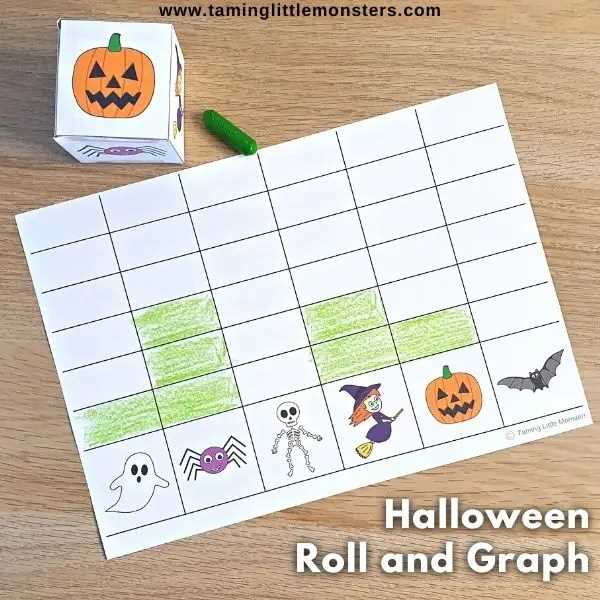
For little ones, drawing pages featuring spooky, fun themes can captivate their attention while allowing them to express creativity. Choose simple shapes and outlines that are easy for toddlers to color, such as pumpkins, ghosts, and bats. Keep the design clear, avoiding intricate details that may confuse them or make coloring frustrating. Use thick black lines to help guide their coloring and minimize accidental mistakes.
Ensure that the characters or objects on the page have large spaces to fill with color. Small areas might be challenging for toddlers to stay within, leading to frustration. Large, bold features like smiling pumpkins or friendly monsters encourage exploration and ensure toddlers’ early attempts at coloring are successful and satisfying.
Incorporating minimal background elements can help maintain focus on the main subject. Simple designs, such as a moon, stars, or a few scattered leaves, can add interest without overwhelming the toddler. Keep these secondary elements to a minimum, leaving plenty of room for the child to experiment with colors and learn to stay within the lines.
For variety, consider alternating between pages that feature single objects and those that group multiple items together, such as a spooky forest scene. This can help toddlers begin to understand how to interact with multiple elements on a page while still keeping the experience manageable and fun. Simple visuals allow toddlers to connect with the theme without feeling burdened by complexity.