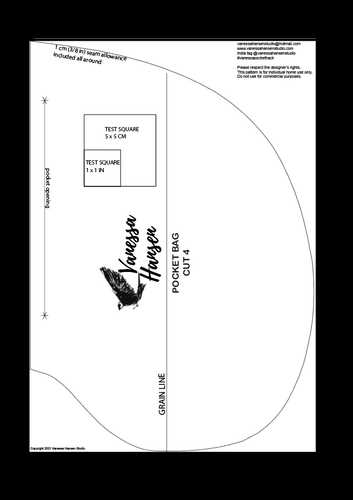
Start by choosing the appropriate size for your garment’s insert. Measure the width and depth of the opening to ensure it aligns perfectly with the overall shape of your design. Once you have the measurements, make sure to leave a bit of extra room around the edges for seam allowances and finishing touches. This approach guarantees a neat and precise fit when you sew the pieces together.
Next, select the material that will work best with your fabric. Lighter materials like cotton or linen are perfect for a delicate, breathable finish, while heavier fabrics like denim or canvas are ideal for durable, functional results. Be mindful of how the fabric will handle different stitches and ensure it is suitable for the task at hand.
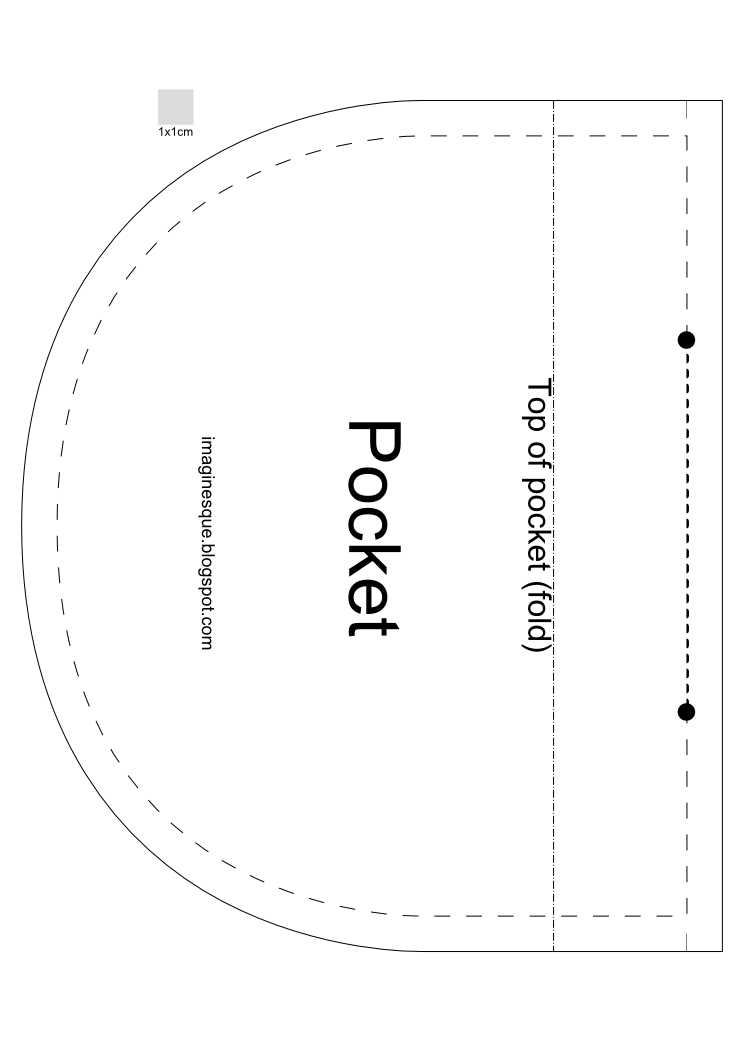
Consider the placement carefully before cutting any fabric. Whether you are crafting a garment from scratch or adding to an existing one, take time to assess the placement to ensure easy accessibility without compromising the overall design. A symmetrical approach is key, especially if you’re creating multiple units for a uniform look.
Once everything is in place, adjust your sewing technique for the specific materials and size. The more precise your cuts and measurements, the cleaner and more polished the final product will be. Make sure to reinforce edges where necessary, especially around corners and seams, to prevent fraying and ensure longevity.
How to Make Custom Pockets for Your Garments
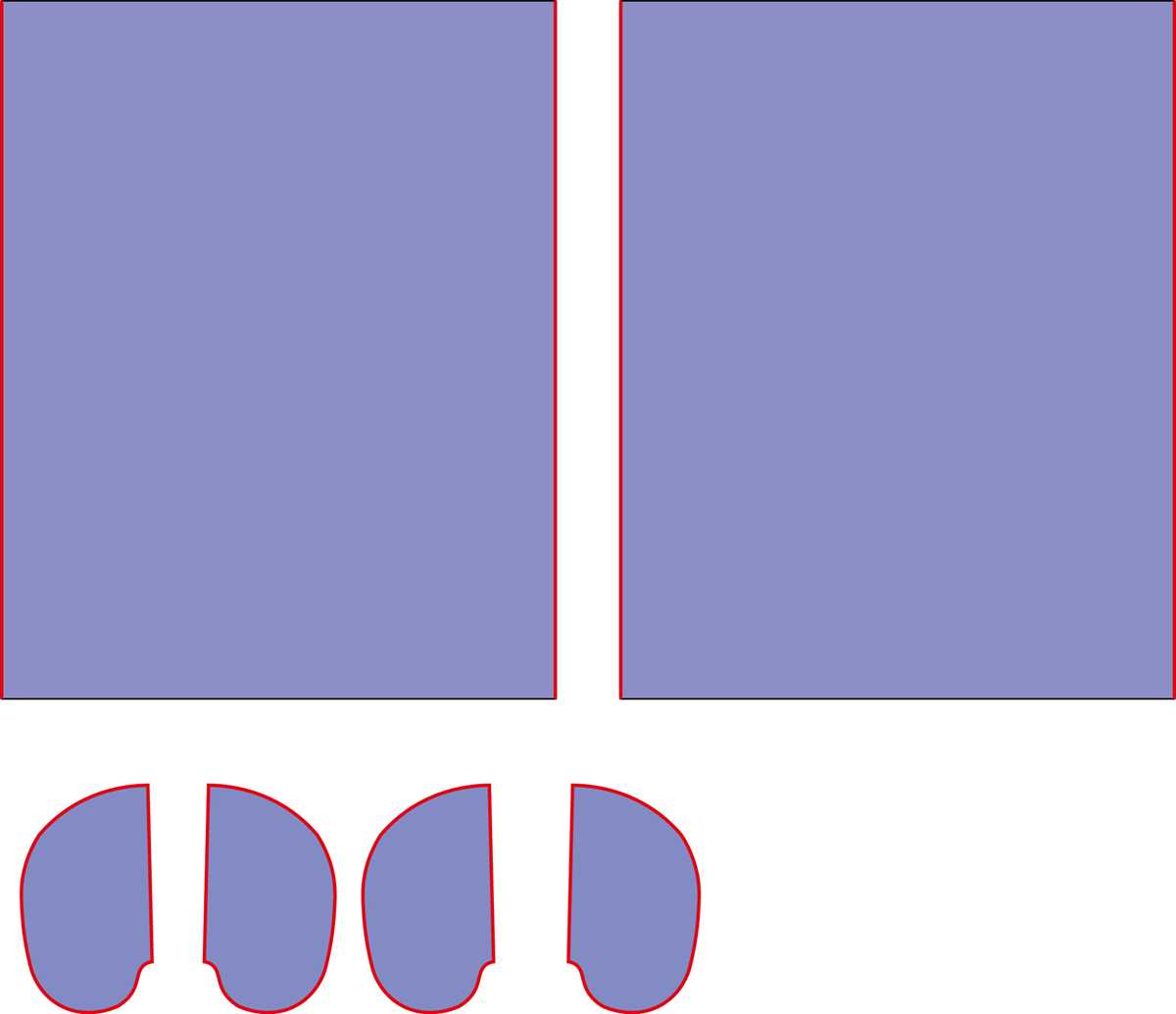
To create functional and stylish inserts for your clothing, begin by selecting the right shape and size based on where you intend to place them. Measure the width and depth needed, adjusting based on the design and fabric type. For a secure fit, allow for a slight overlap in your measurements for seams and hems.
Choose fabrics with enough weight to hold the contents securely, but also consider stretchability if your project requires it. Stronger fabrics, like denim or canvas, are ideal for durable inserts, while lighter materials work well for casual wear. Test with scrap fabric first to ensure the pocket aligns well with your garment’s fit.
Cutting shapes from templates is the next step. Create a guide by folding your material, then cut along the edges for uniformity. Don’t forget to mark your seam allowances, which will ensure easy stitching when attaching the pieces. Double-check that the edges align before stitching to avoid puckering or misplacement.
Use the correct stitching technique depending on your fabric choice. A straight stitch is most common, but for added durability, opt for a reinforced stitch at the pocket’s opening or corners. This will prevent it from fraying or coming loose under stress. If you’re using a sewing machine, adjust the tension for a smoother finish.
After attaching the side seams, fold over the top and bottom edges of the pocket and secure with a basting stitch to keep the fold in place while sewing permanently. This ensures that the edges stay crisp and neat. For extra strength, you might want to backstitch over the critical points where wear is most likely to occur.
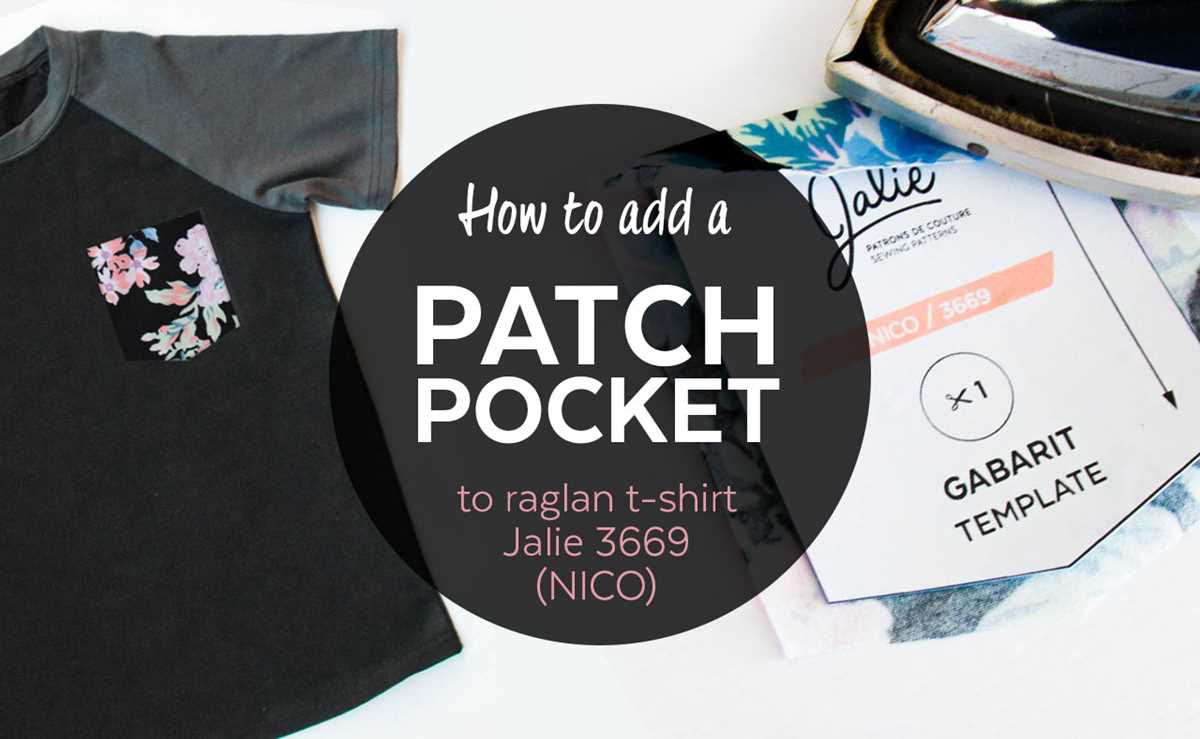
Finally, test the placement and functionality by inserting items to check for any bunching or misalignment. Adjust the depth or width if needed. A well-placed compartment will blend seamlessly into your garment while offering easy access and ample space for use.
HTML
How to Customize Your Pocket Design for Different Clothing Styles
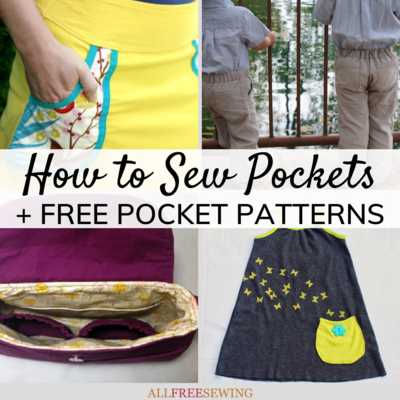
To create a custom fit for specific outfits, adjust the size and shape of the opening. For slim-fit garments, opt for a more subtle and streamlined style, reducing bulk around the edges. For looser cuts, such as oversized jackets, go for larger, more spacious pockets that still retain a balanced silhouette. Consider varying the pocket’s depth based on the clothing’s function; deeper pockets work well for casual wear, while shallow options suit formal attire.
- For tailored blazers, use a small, angled pocket for a clean, polished look.
- On casual shirts, try a rounded or square cut, slightly larger for a relaxed vibe.
- For high-waisted trousers, a diagonal opening adds both flair and practicality.