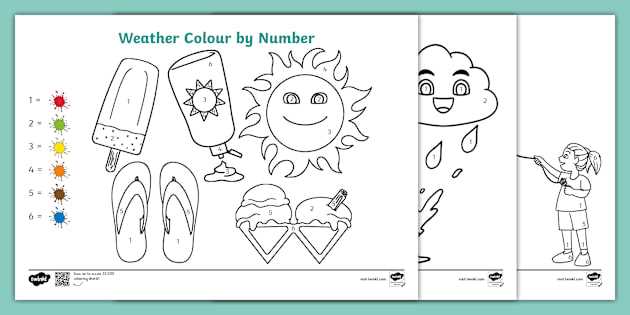
Using visual tools like charts and interactive worksheets can help young children understand the changing seasons and atmospheric phenomena. Incorporate simple designs where they can match icons to various outdoor conditions. These exercises promote cognitive skills and fine motor coordination while introducing scientific concepts.
Introduce hands-on projects like making simple storm cloud models or creating sun hats to teach the effects of sunlight. Children will enjoy exploring the cause and effect relationships through fun, easy-to-do tasks that require minimal resources but provide maximum engagement.
Games like “What’s the Weather Today?” can be printed out as cards and used to encourage dialogue about current environmental conditions. Pair this with coloring sheets that depict various climate conditions for a more immersive experience. These fun tools help reinforce new vocabulary and foster early understanding of how weather impacts daily life.
Printable Weather Activities for Preschoolers
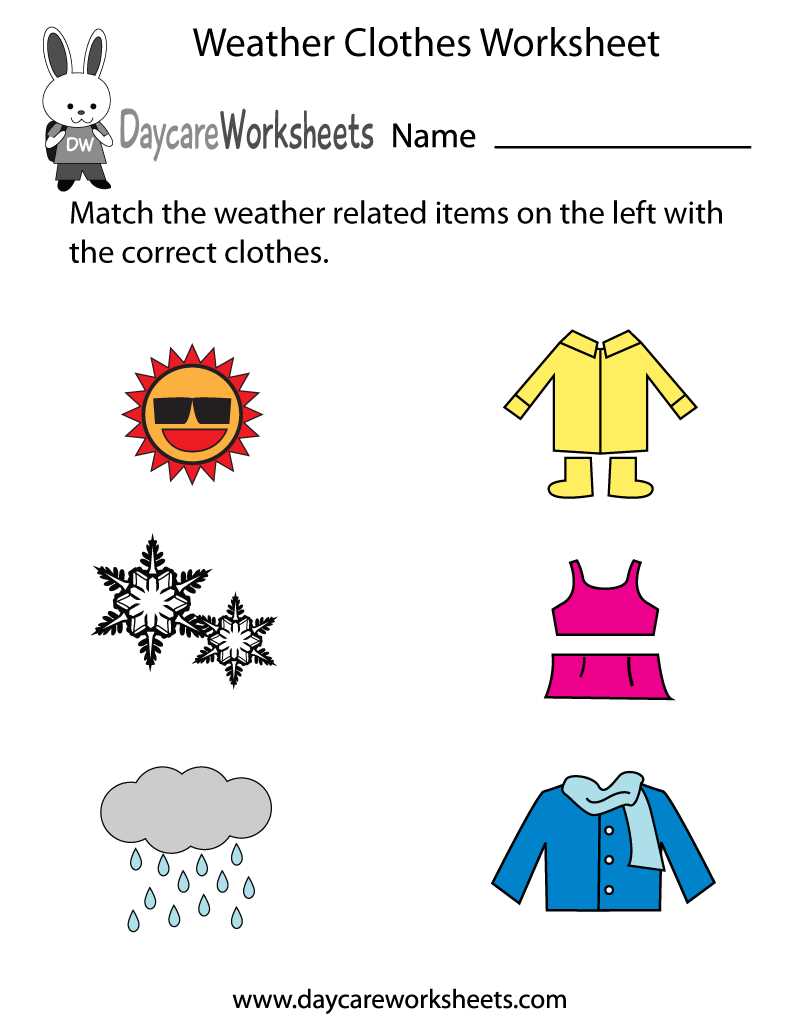
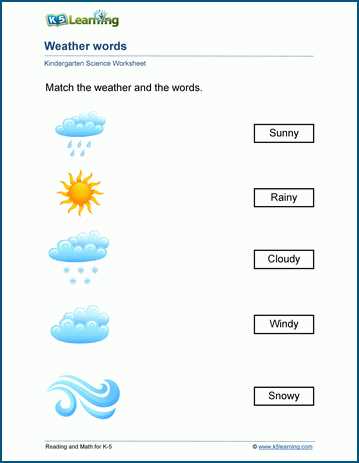
Start by creating simple worksheets that include matching games, where children pair symbols like raindrops or clouds with their respective environments. Use large, bold images for better recognition. This approach not only engages their visual skills but also introduces key vocabulary related to the topic.
Design a “Dress for the Day” worksheet that allows children to choose clothes based on given conditions. This activity helps develop decision-making skills while teaching the practical implications of varying environmental factors. Provide illustrations of jackets, sunglasses, and umbrellas to represent different scenarios like rain, sun, or snow.
Build a fun “Seasonal Changes” chart with pictures of activities suitable for each time of year. Ask children to color in the pictures that match the weather patterns associated with each season. The activity helps with understanding how seasons differ and how they influence outdoor play.
Another idea is creating simple cut-out objects like suns, clouds, or snowflakes, which children can use to assemble a daily climate board. This visual representation enables them to identify and express their understanding of the day’s atmospheric conditions. It’s a tactile learning method that’s also engaging.
Interactive cards with different types of weather-related actions can encourage children to act out certain environmental conditions. For example, “pretend to be a gust of wind” or “show how rain falls.” These cards not only develop physical coordination but also allow them to explore the connection between movements and nature.
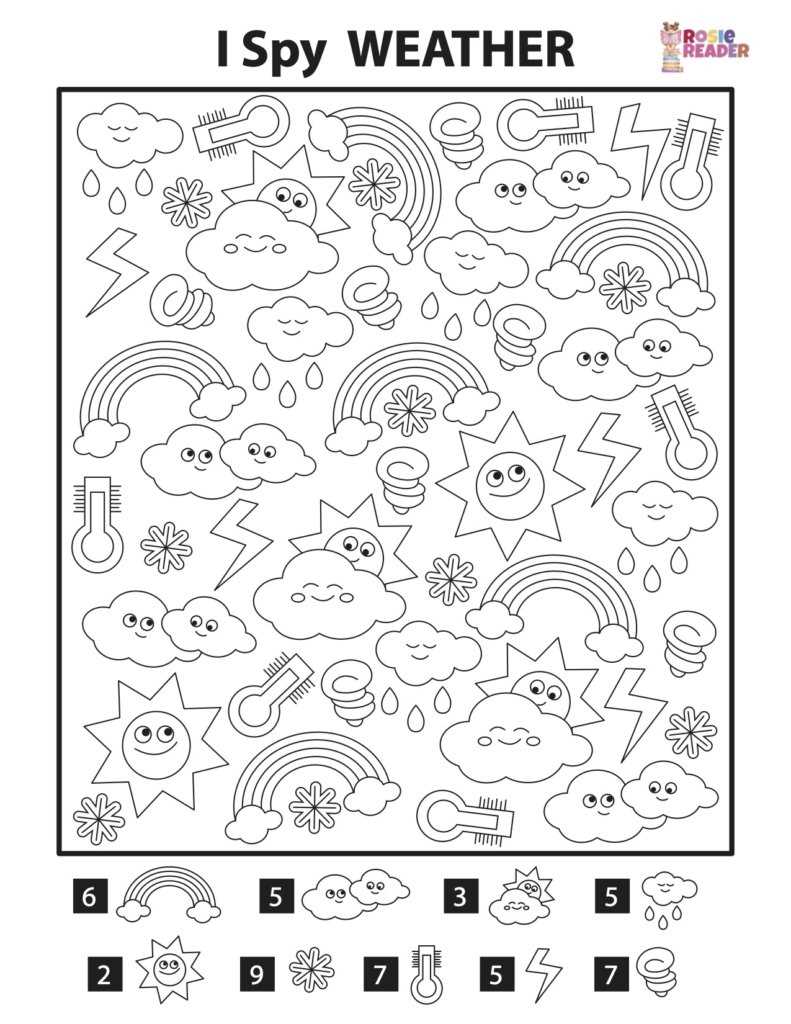
Coloring sheets featuring scenes of outdoor conditions (like a snowy day, a sunny beach, or a cloudy sky) are also useful. As children color in the illustrations, talk with them about the different types of clouds or how the sun feels on the skin. This helps reinforce their learning while they engage in a creative activity.
Incorporate songs or rhymes related to changing seasons. For example, a song about the rain can help children understand its rhythm and sounds. Provide accompanying visuals to enhance comprehension, linking lyrics with the images to deepen their understanding of the connection between sound, sight, and nature.
Finally, include simple science experiments related to weather, such as creating a tornado in a bottle. This hands-on activity can spark curiosity about natural phenomena while being easy enough for young children to participate in and understand. These experiments offer an interactive way to explore weather concepts in a concrete way.
How to Use Weather Charts for Early Learning
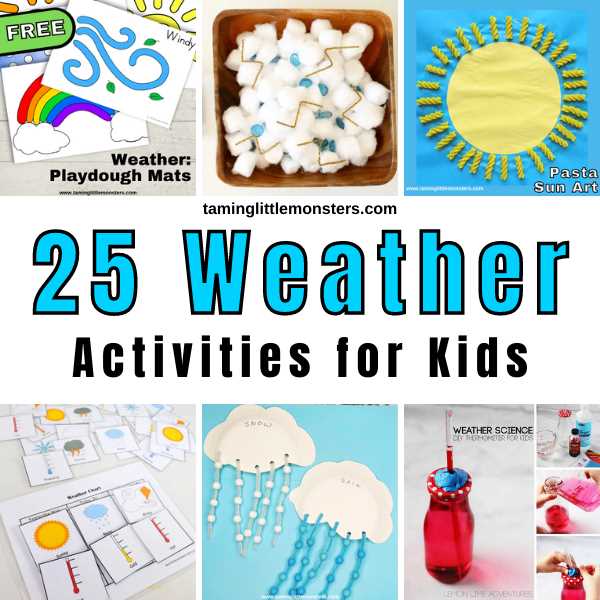
Begin by introducing a simple chart that tracks daily conditions. Encourage children to mark whether it’s sunny, rainy, cloudy, or snowy. This task helps them develop observational skills and familiarize themselves with different climate types. Use large, clear symbols or stickers to make the process more engaging.
Incorporate a daily routine where children update the chart at the same time each day. This consistency not only helps children connect time with changing environmental conditions but also introduces the concept of regular tracking and pattern recognition. It’s an easy way to introduce basic data collection skills.
Encourage the children to verbally express what they see. For example, ask them questions like “What is the sky like today?” or “What clothes should we wear for this weather?” This promotes vocabulary development, as well as understanding the practical impact of different types of atmospheric conditions.
As they track the conditions over a week, highlight patterns, such as how often it rains or how many days are sunny. Use the chart as a tool to explain how weather changes occur. This supports the development of both critical thinking and basic scientific reasoning.
Use the chart to introduce concepts such as “more” and “less” by asking children to count how many sunny or rainy days there are in a given period. They can compare these numbers to understand the frequency of each type of climate. This is a great way to practice early math skills.
To make it more interactive, introduce a chart with colored sections where children can place corresponding icons based on the day’s weather. This hands-on activity enhances fine motor skills while reinforcing the information they’re tracking on the chart.
As an extension, you can introduce simple weather-related stories or songs. For example, singing a rhyme about the rain while updating the chart can create an emotional connection to the concept, making the learning experience more memorable and enjoyable.
At the end of the month, review the chart together. Discuss the variety of conditions they tracked and what patterns they noticed. This helps children build a deeper understanding of the environment and its cyclical nature while reinforcing their learning in a tangible way.