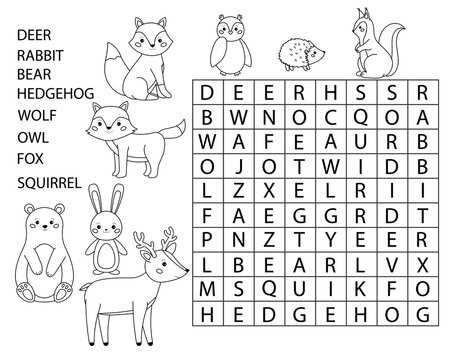
Start by choosing simple puzzles that are age-appropriate, focusing on basic vocabulary and common words. These activities are great for improving spelling, word recognition, and cognitive skills.
Make the exercises more engaging by creating themed challenges. For example, choose topics such as animals, colors, or objects commonly seen in everyday life. This approach not only reinforces learning but also keeps the child interested and motivated.
Incorporate these puzzles into a daily routine, perhaps during quiet time or as a break between lessons. This routine will help children develop problem-solving skills while reinforcing their knowledge in a fun and interactive way.
Printable Puzzles for Young Learners
Start with simple word puzzles that use familiar vocabulary to help build confidence. Focus on words they encounter in daily life, like family members, animals, and common objects. This makes the task both fun and relevant.
Encourage children to focus on one section at a time. This approach prevents frustration by allowing them to tackle smaller chunks and build momentum as they complete each part. You can also highlight keywords for easier identification.
As their skills improve, increase the complexity by introducing new themes or longer words. This gradual increase keeps them challenged without feeling overwhelmed. Make sure the puzzle format is clear, with enough space for the child to work through the clues at their own pace.
Consider using visual cues alongside word lists. Pairing images with words can help children link the written term with its meaning, reinforcing their understanding. For example, a picture of a dog can accompany the word “dog” in the puzzle.
Regularly revisit completed puzzles to review the words learned. This repetition enhances retention and solidifies the vocabulary over time. Afterward, you can ask questions related to the words to reinforce their meanings.
Incorporate creativity into the experience. Let children create their own word lists or draw related pictures to accompany each word. This makes the puzzle-solving process more engaging and encourages them to think critically about words and their meanings.
Lastly, try completing the puzzles together. Working as a team can enhance communication skills and allow for joint problem-solving, making the experience more enjoyable and educational. This teamwork also builds confidence as children see how others approach the puzzle-solving process.
How to Choose the Right Puzzle for Different Age Groups
For younger children, choose puzzles that focus on simple, familiar words. Select themes they can easily relate to, such as animals, colors, or basic objects. Avoid complex vocabulary, keeping the puzzle fun and stress-free.
For elementary-aged children, introduce more challenging themes, like holidays, nature, or occupations. These puzzles can incorporate slightly longer words and encourage the development of their spelling and vocabulary. Aim for puzzles with a manageable number of clues and larger font sizes to ease readability.
Older children can handle puzzles that include more abstract concepts, such as historical figures, geography, or word play. Increase the difficulty by adding clues that require problem-solving or critical thinking. Focus on themes that spark their curiosity and encourage them to think outside the box.
Always consider the child’s reading level and ability to understand the clues. A suitable challenge should feel rewarding without causing frustration. Tailoring the difficulty to their developmental stage ensures they remain motivated and enjoy the learning experience.