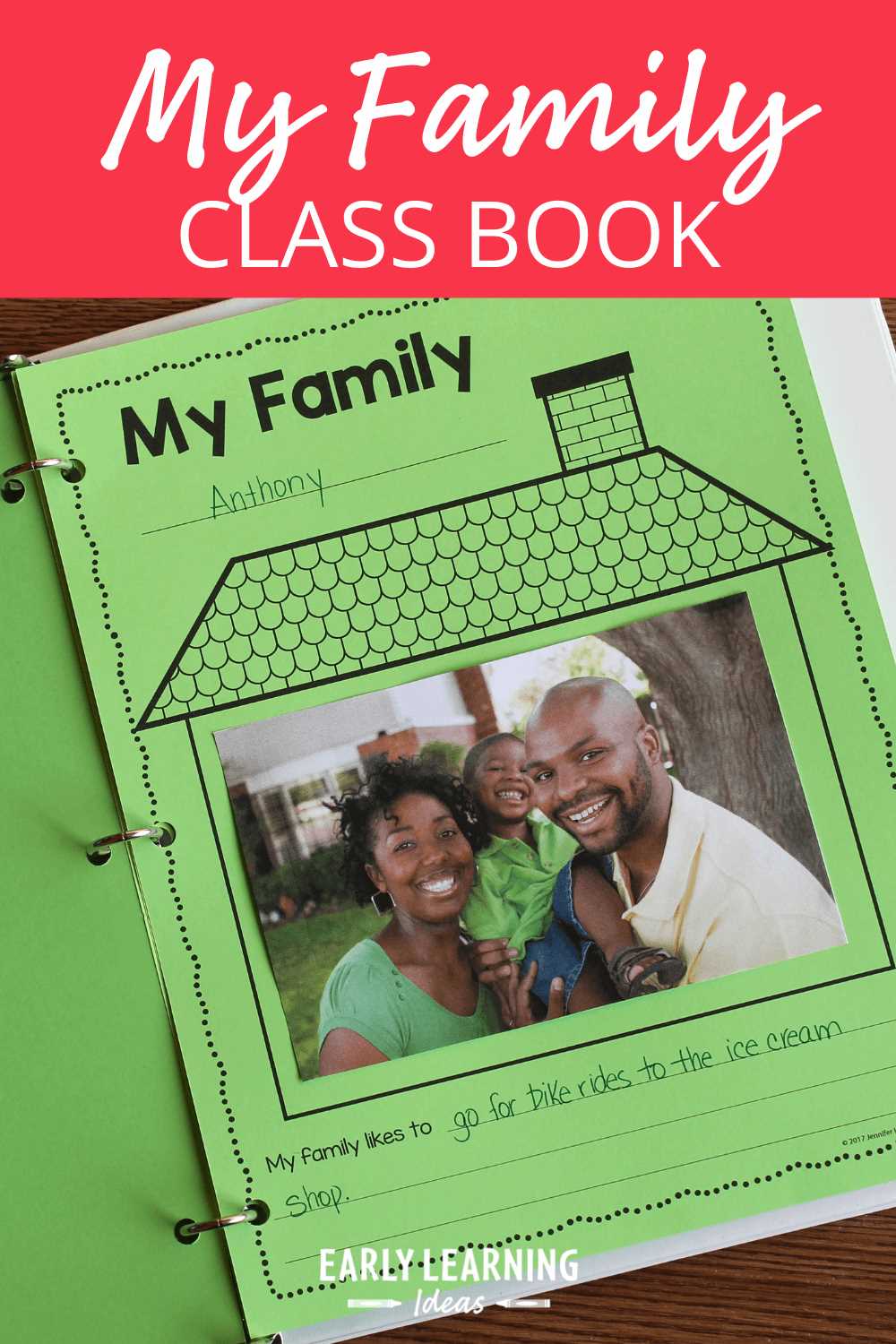
Use activity sheets that illustrate daily life, roles, and relationships within a household to help young children understand important social dynamics. These resources can include tasks like matching members with their duties, identifying household objects, and learning through role-playing scenarios. These activities promote cognitive growth while keeping learning engaging.
Design simple exercises, such as coloring sheets of various household members, where kids can interact with the figures, discussing who does what in the home. You can also create puzzles to help them associate family members with their roles–father, mother, siblings–allowing them to visually connect each person to a specific task like cooking, cleaning, or caring for pets.
For those looking to save time, there are many free downloadable worksheets available on educational platforms. These include tracing sheets, memory games, and simple mazes that involve objects commonly found in a home. Tailoring these tools to the child’s age and skill level will make the learning experience more enjoyable and relevant.
Creating Engaging Learning Materials for Kids with Household Activities
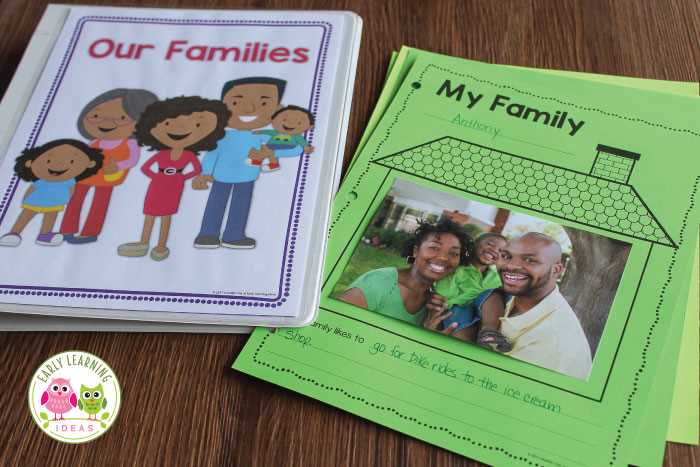
To teach young children about the dynamics of their household, create activity sheets that highlight the roles of different family members. Start with simple tasks like coloring pictures of parents, siblings, and pets. This helps the child to visualize and relate to the people around them while also understanding their responsibilities.
Incorporate worksheets where children can match household objects with their respective locations. For example, they can connect a broom to the kitchen or a television to the living room. This not only teaches them about the household structure but also boosts their understanding of everyday objects and their functions.
Interactive games, such as memory or matching cards featuring different household activities, help reinforce the concept of chores and responsibilities. You can use cards to show a picture of a task, like sweeping, and another card showing the person responsible for it, like a parent or older sibling.
For more advanced activities, create role-play scenarios where children can act out different chores or family interactions. A simple worksheet could involve filling in blanks with the appropriate names for different tasks, allowing them to practice writing while also learning about the structure of their home life.
To make it easier for busy parents and educators, many websites offer free downloadable resources focused on daily life skills. These materials may include worksheets, puzzles, and games designed to keep children engaged while reinforcing their understanding of family dynamics and the responsibilities that come with it.
Using visual aids, such as picture charts that label different family roles, helps younger children remember who does what around the house. For instance, a chart with a picture of a parent cooking and a sibling cleaning up after meals can reinforce the concept of cooperation within the home.
Finally, do not forget to include fun activities that encourage critical thinking, such as sorting chores by difficulty or age appropriateness. This will not only improve their cognitive skills but also help them feel a sense of involvement and contribution to the family’s daily tasks.
How to Create Custom Family-Based Learning Sheets for Kids
Start by choosing a specific role or task within the home that you want to highlight. For example, focus on cooking, cleaning, or organizing. Create simple tasks such as matching items to their corresponding household areas or identifying who usually handles which chore. You can design these activities with a variety of images, from a vacuum cleaner to a mop, and label them for easy understanding.
Next, use easy-to-understand visuals that connect actions to specific people. For instance, show a picture of a parent with a grocery bag and a child with a toy, indicating each person’s typical responsibilities. This will help children associate tasks with roles and understand their importance in a structured way.
To add more variety, incorporate simple word searches or crossword puzzles where kids can learn the names of household objects or activities. Create grids with words like “sweep,” “cook,” or “clean” hidden among random letters, making it a fun challenge to identify these essential activities. This can be printed in large, bold letters to make it easier for younger children to read.
Finally, offer templates that children can color or complete by themselves. For example, a worksheet with blank spaces where they can draw their own versions of a home scene. You can include labels on some objects to encourage them to identify and learn what goes where in their own living space.