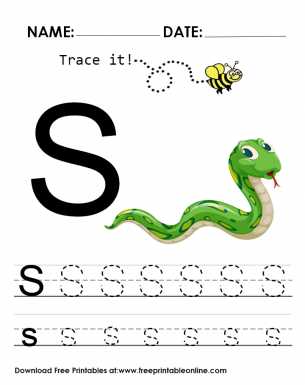
For young learners and beginners aiming to improve their handwriting, practicing with clear and structured outlines can make all the difference. Providing templates with bolded shapes for each character allows for steady development of proper form and stroke order. These resources are designed to guide users through the motions of writing, helping to reinforce muscle memory and precision with every repetition.
Make sure to choose designs where the font matches typical handwriting styles, so the transition from tracing to independent writing becomes seamless. Focus on templates with varied difficulty levels, starting with larger letters for beginners and gradually decreasing the size as the learner’s confidence grows. This incremental approach encourages steady progress while keeping frustration at bay.
To enhance the experience, use resources with well-spaced characters to avoid overcrowding and promote legibility. Clear delineation of each stroke ensures that learners can maintain proper spacing and flow. If available, templates with both uppercase and lowercase versions are ideal for mastering all aspects of the alphabet in an organized, systematic manner.
HTML
Improving Handwriting Skills with Tracing Worksheets
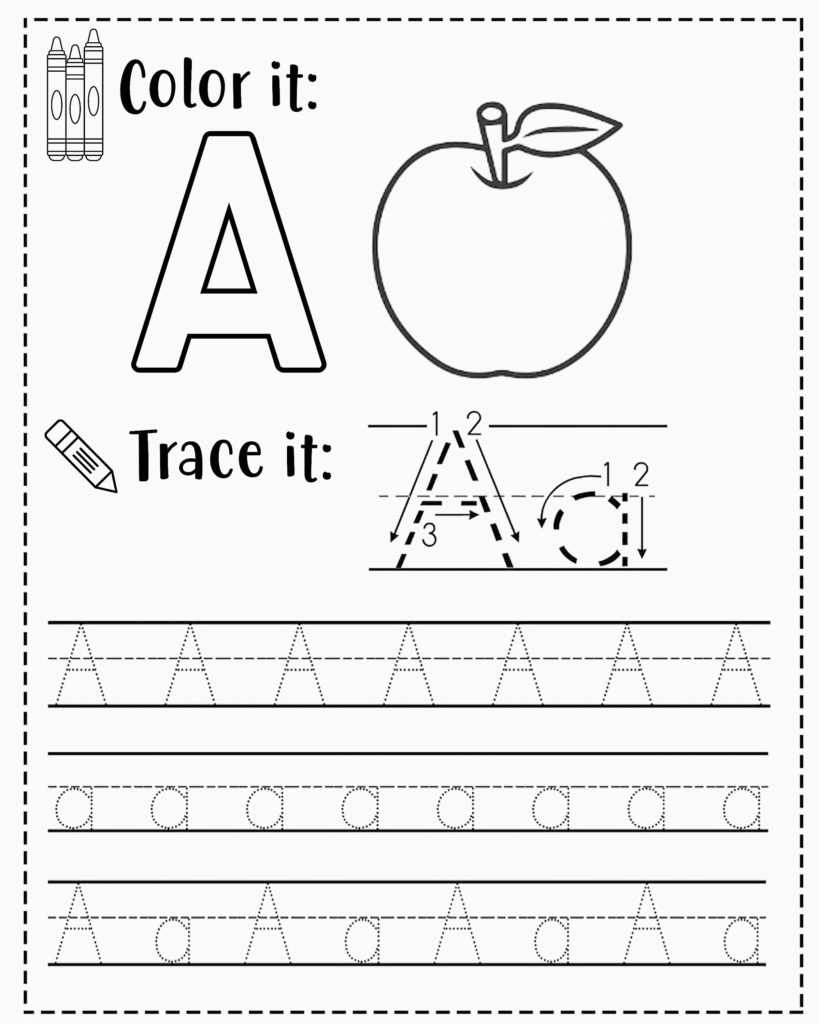
Start with a set of worksheets that focus on proper formation and stroke order. These resources are specifically designed to support early learners in mastering the basics of writing. By following the outlined paths, children can develop muscle memory that leads to more legible handwriting.
The key to improving motor control is consistency. Look for resources that offer varied sizes and styles to cater to different skill levels. Gradually increasing the complexity of the designs will help prevent frustration and encourage progress over time.
To make the process more engaging, choose templates with fun themes like animals, vehicles, or seasonal motifs. This keeps young learners motivated while they practice. It’s essential to provide regular feedback and celebrate small milestones to maintain enthusiasm and build confidence.
HTML
How to Choose the Right Font Style for Traceable Characters
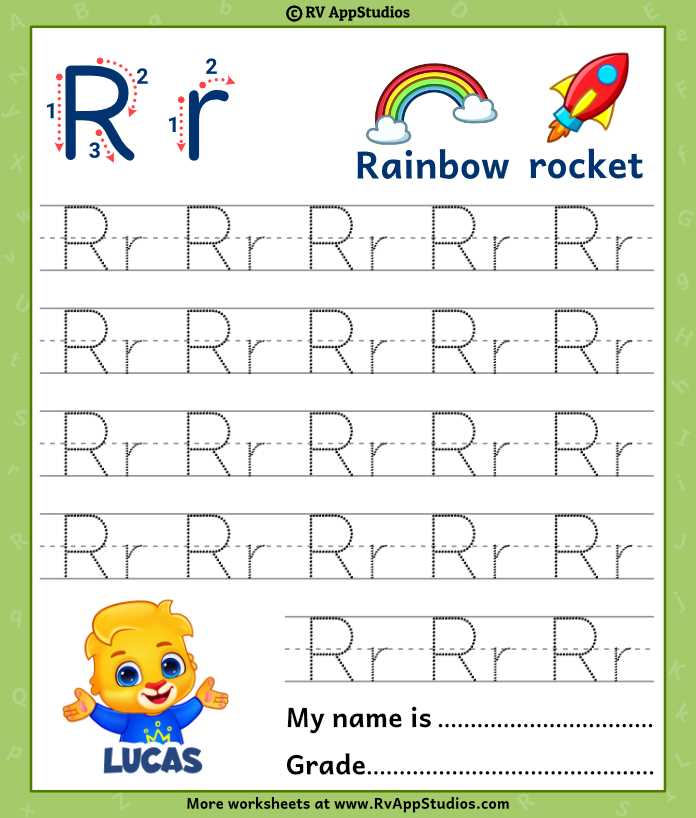
Select a font that is easy to read and suitable for the intended age group. Simple, clean styles, like sans-serif or rounded fonts, work best for young learners. Avoid overly complex or decorative fonts, as they can make tracing difficult and lead to confusion.
Consider the thickness of the stroke. Thicker lines help with better guidance, especially for children who are just starting to practice handwriting. Fonts with thin lines may be harder to follow and could cause frustration during practice.
Ensure the characters have proper spacing. Fonts that are too close together can be difficult to trace and could result in misalignment. Look for styles with ample space between each letter to create clear, distinct outlines that are easy to follow.
Choose a font with consistent shapes. Fonts that have irregular or inconsistent character shapes can confuse beginners. Stick to ones where the letterforms are uniform, helping learners maintain proper structure while practicing their skills.
Test out different styles for legibility. If possible, print out a sample of the font and see how easy it is to follow. Some fonts may appear fine on screen but prove challenging in printed form. Always make sure the characters are clear enough to trace easily.
For younger children, try using fonts with playful elements, like rounded edges, but still maintain simplicity. Fonts that look too formal may feel less inviting for early learners and can turn the activity into a chore rather than an enjoyable experience.
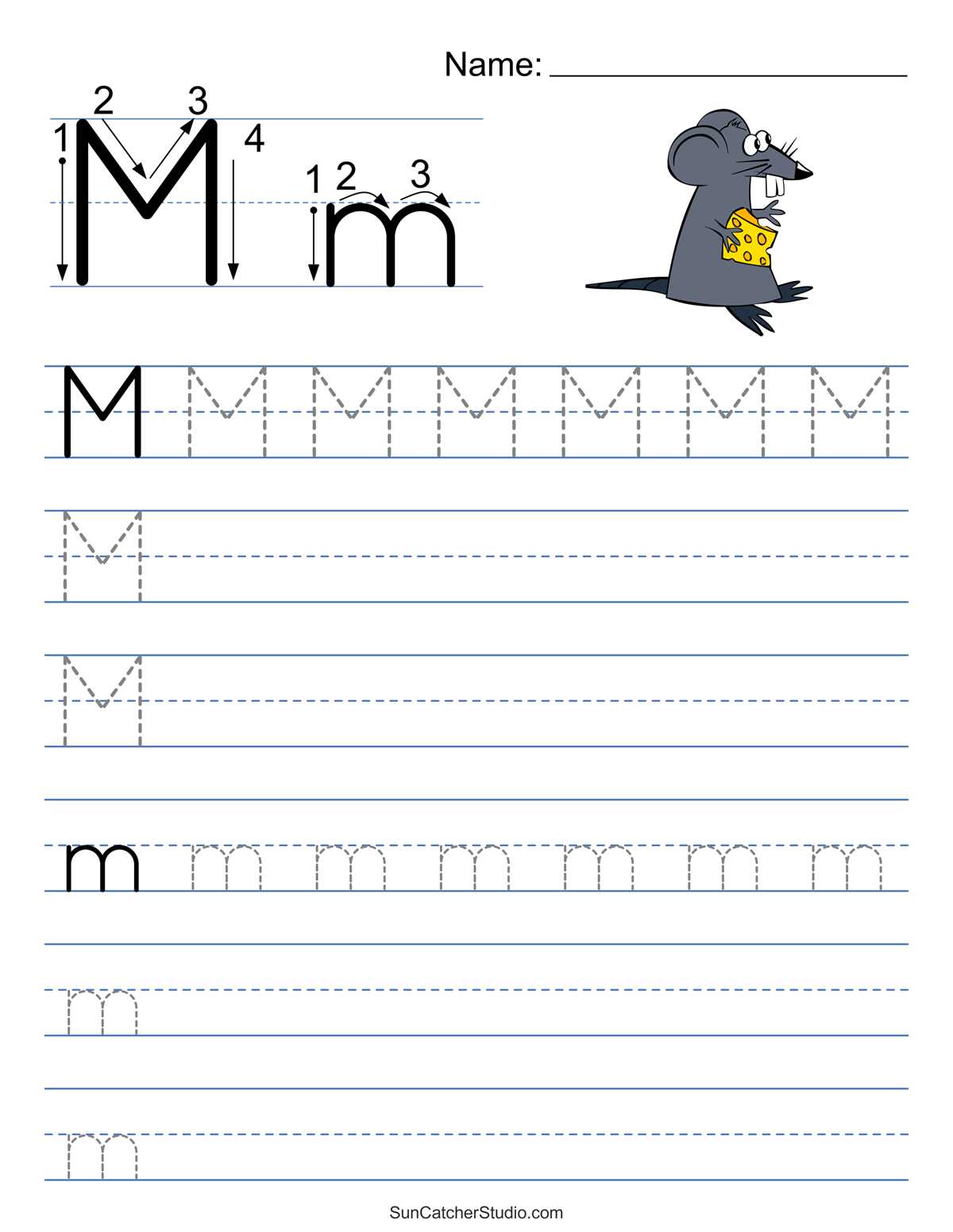
Lastly, consider the purpose. If the aim is to practice handwriting, pick a style that closely mirrors the handwriting style you want to teach. For artistic projects or decoration, more creative fonts may work, but clarity should always be prioritized over style.