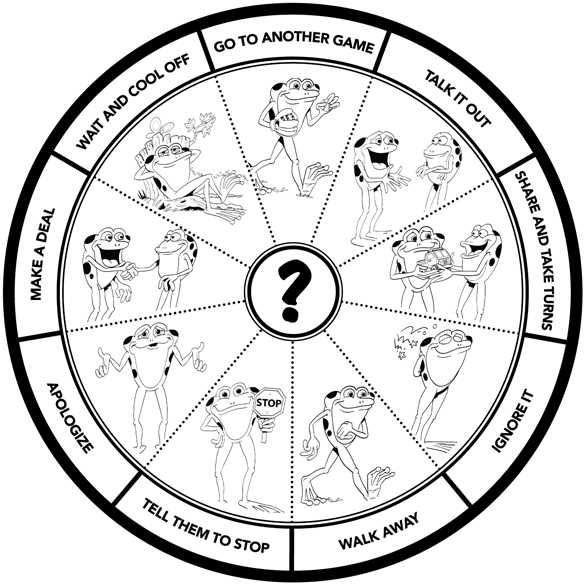
To help children manage conflicts and make better decisions, it’s highly effective to introduce a visual tool that offers easy-to-understand strategies. This approach empowers kids to resolve disagreements independently, without the need for constant adult intervention.
Start by giving each child a visual chart that includes various conflict resolution techniques. These techniques should be simple, such as walking away, talking it out, or finding a compromise. Displaying these options in a clear, accessible format allows children to make thoughtful choices when faced with disagreements.
Additionally, consider making the chart interactive by allowing kids to rotate a wheel or pick options based on their feelings and situation. This not only provides a hands-on learning experience but also reinforces the concept that resolving conflicts is a personal skill they can develop over time.
By integrating this method into daily routines, children learn valuable problem-solving skills and emotional intelligence, which can have a lasting positive impact on their social interactions.
How to Implement a Conflict Resolution Chart for Kids
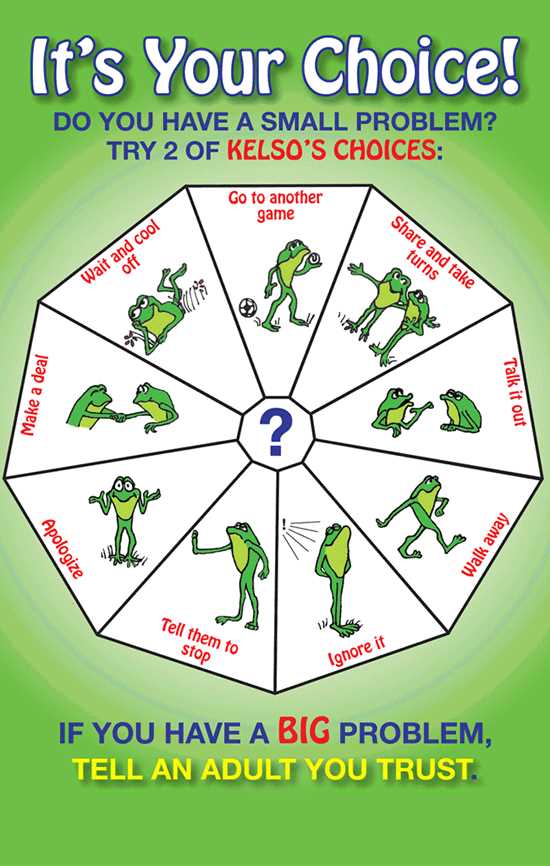
One of the best ways to help children solve disputes on their own is by providing them with a simple decision-making tool that offers clear solutions. You can create a chart with visual cues to help kids identify appropriate actions when facing conflicts, such as walking away, talking, or seeking help from an adult. This approach encourages independence and decision-making skills.
Make the chart engaging by using bright colors and relatable images that reflect different strategies. For example, a picture of a child walking away for “Take a Break” or two children talking for “Talk it Out.” This will make it easier for kids to connect the behavior with the solution, reinforcing their ability to resolve disagreements on their own.
Additionally, offer the chart as a tool for kids to use in their classrooms, homes, or other settings. Let them refer to it when needed, ensuring that they are familiar with the options available. Over time, children will internalize these methods and use them instinctively in their interactions with others, leading to better social outcomes and conflict resolution skills.
How to Introduce Conflict Resolution Tools in Classrooms

Start by explaining the purpose of the tool, focusing on how it helps students solve problems independently. Introduce the concept by showing the different options available for handling disputes. Visual aids, such as diagrams or a large chart, can be useful for children to easily grasp the process. Clearly explain each option on the tool, such as “take a break” or “talk to a teacher,” and provide examples that relate to real-life classroom situations.
Incorporate interactive activities where students can practice using the strategies on the tool. For example, role-playing scenarios can be an effective way for students to understand how to apply the conflict resolution methods in different situations. Give them opportunities to choose solutions and act them out in a supportive classroom setting, allowing them to feel more confident in their decision-making abilities.
Encourage the use of the conflict resolution tool regularly. Keep the tool visible in the classroom as a reminder for students. When conflicts arise, guide students to reference the tool and make independent decisions about how to handle the issue. This constant reinforcement will help make the process of resolving disputes feel more natural over time.
Involve the entire class in discussions about the importance of conflict resolution. By creating a classroom culture that values respectful problem-solving, you’ll empower students to take responsibility for their actions and collaborate with others more effectively. Over time, they will internalize these strategies and use them both inside and outside the classroom.