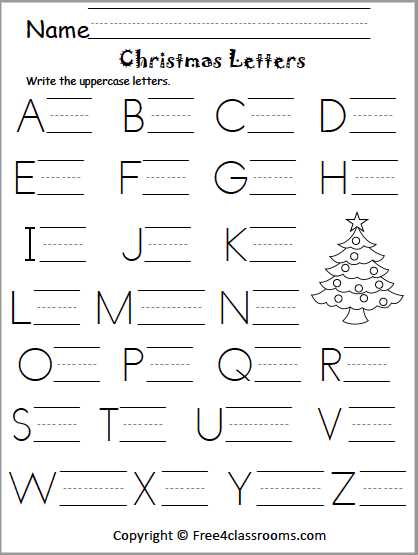
Introduce your little ones to the basics of handwriting with simple practice sheets that encourage them to form letters and numbers confidently. These exercises help build fine motor skills and teach the correct way to hold a pencil, ensuring that each stroke is purposeful. Offer your child various styles of tracing, from uppercase to lowercase, and incorporate different shapes to keep their interest alive.
Consider incorporating activities that progress gradually, starting with basic shapes and moving towards complete words. Make it interactive by including visual cues, such as pictures that correlate with words they trace, to make learning enjoyable and relatable. Keep the difficulty level in line with your child’s ability, allowing them to gain confidence while mastering each stage.
Mix up the learning materials to maintain variety and prevent monotony. Alternate between tasks that involve both letters and numbers, creating a well-rounded approach to early education. With these practice sheets, kids can sharpen their handwriting skills in a fun and hands-on way, building a strong foundation for their academic future.
HTML
Engage Early Learners with Fun Activities to Boost Handwriting Skills
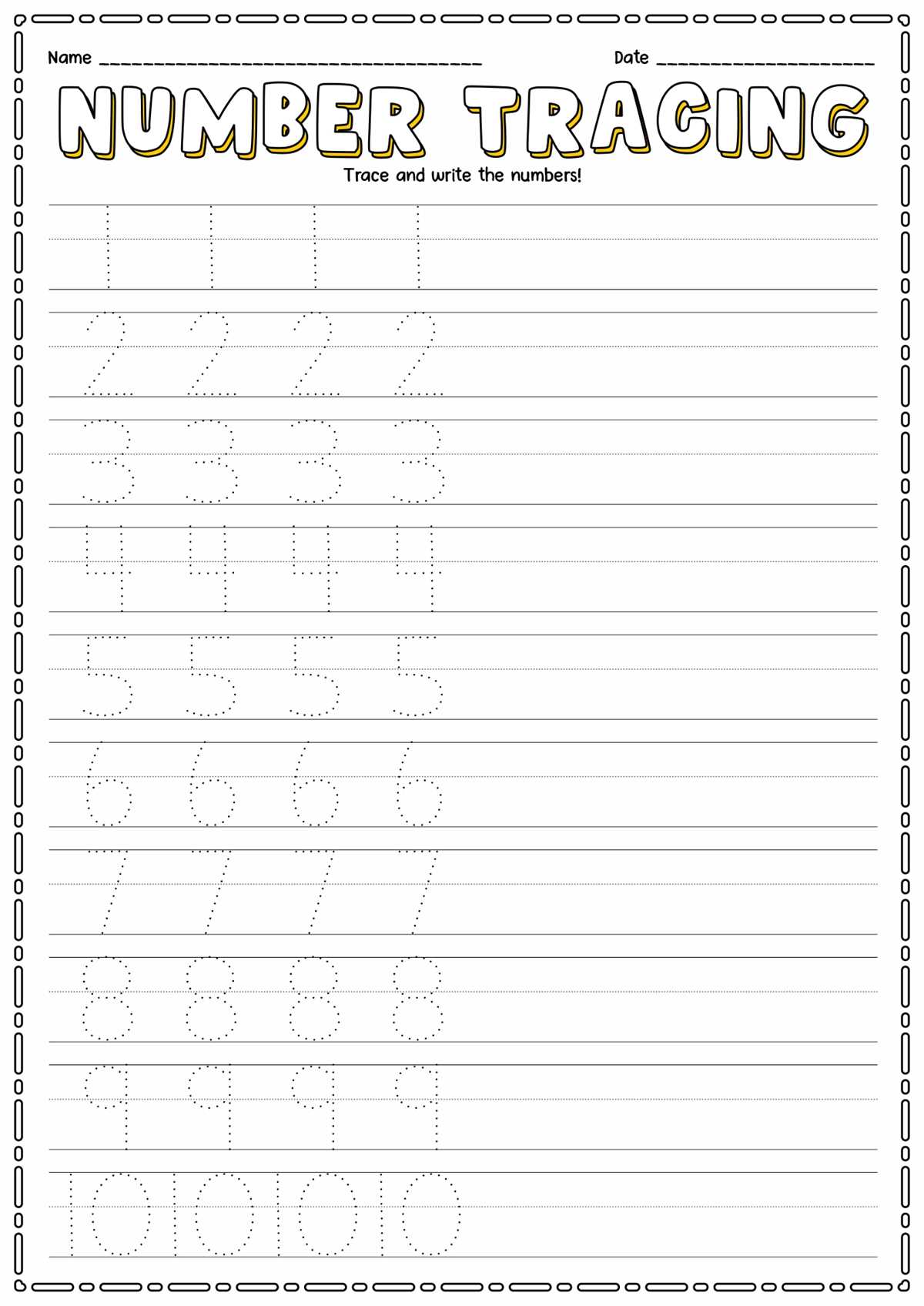
Encourage children to develop their penmanship with activities that require them to trace letters and numbers. Start with big, bold characters that are easy for small hands to follow. These exercises help enhance muscle memory and improve fine motor control.
Use exercises where kids can trace basic shapes like circles, squares, and triangles. These forms are the building blocks for letters and numbers, making them crucial for strengthening the hand muscles that will later be used in writing letters clearly.
Introduce word-building exercises using large, easily recognizable words. Include words like “cat”, “dog”, and “sun”, and have children trace and copy them. Over time, you can gradually introduce more complex vocabulary, reinforcing the connection between letters and sounds.
Creating connect-the-dots activities based on letters or numbers also helps with coordination. This type of exercise not only improves handwriting but also teaches the concept of sequencing, which is vital in writing and reading.
To keep kids interested, add colorful illustrations to exercises. Images that correspond with words or letters (like a picture of a dog next to the word “dog”) can make the activity more engaging and memorable for young learners.
Incorporating letter matching games can add variety to daily practice. Pairing uppercase and lowercase letters helps children recognize the difference between them, which is essential when they begin writing on their own.
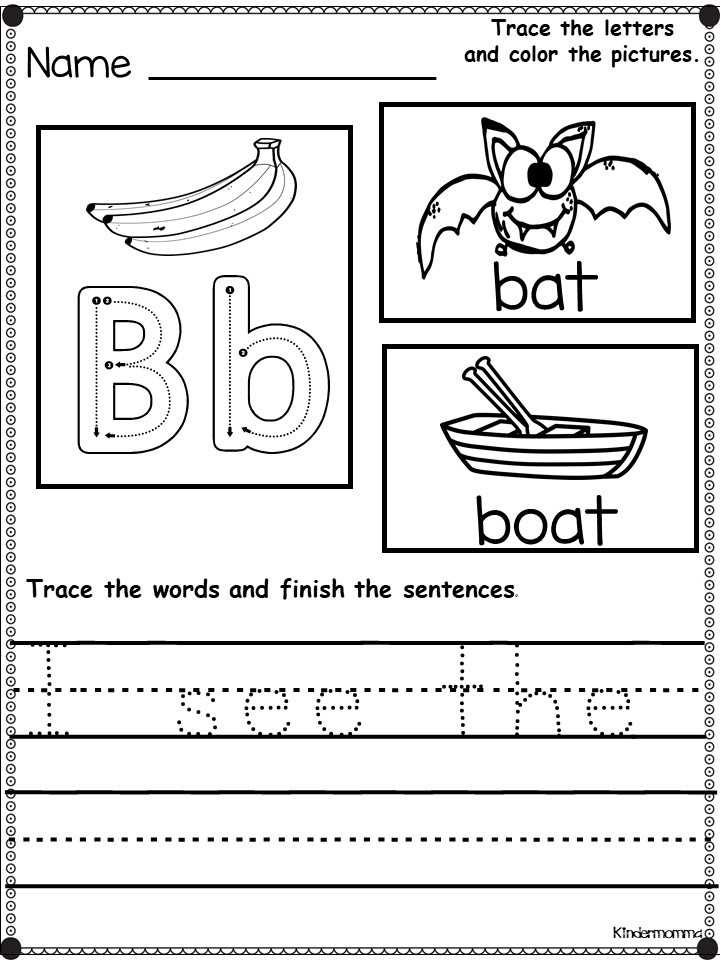
Provide opportunities for independent writing where children can attempt to write simple sentences without assistance. This allows them to practice what they’ve learned, helps build confidence, and supports the transition to more advanced writing tasks.
HTML
How to Find Writing Resources for Young Learners Online
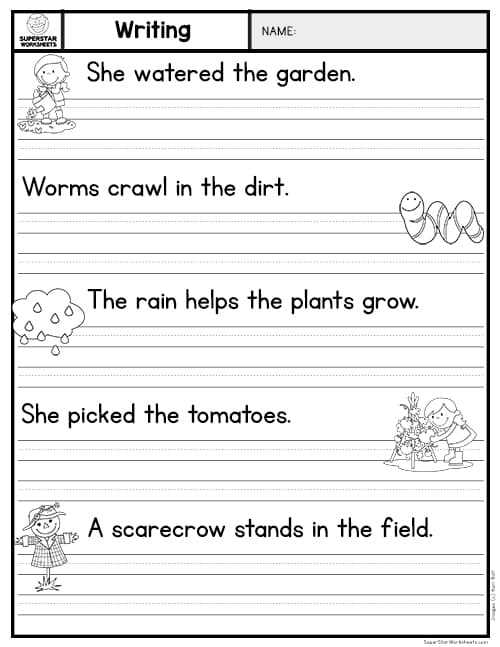
Many websites provide opportunities to download interactive materials tailored to early education. Start by exploring platforms that specialize in resources for young children, such as educational sites and teacher blogs. These sources often allow you to filter content based on age group and specific skills, helping you quickly locate relevant exercises. Look for pages that offer a clear breakdown of activities, including tracing and letter formation drills.
Another useful approach is checking out online communities dedicated to teaching resources. Parent and teacher forums regularly share links to valuable materials, and some may offer curated collections of handouts. Be mindful of user reviews and ratings, as these can help you assess the quality of the material before downloading it. Free educational websites are constantly updating their offerings, so subscribe to newsletters for direct access to the latest releases.
Lastly, educational apps and platforms that focus on early childhood development sometimes offer tools to support literacy skills. While some apps require a subscription, many have free sections or limited access that provides enough content for a variety of tasks. These tools often combine engaging visuals and interactive features that can motivate young learners to practice their skills in a fun way.