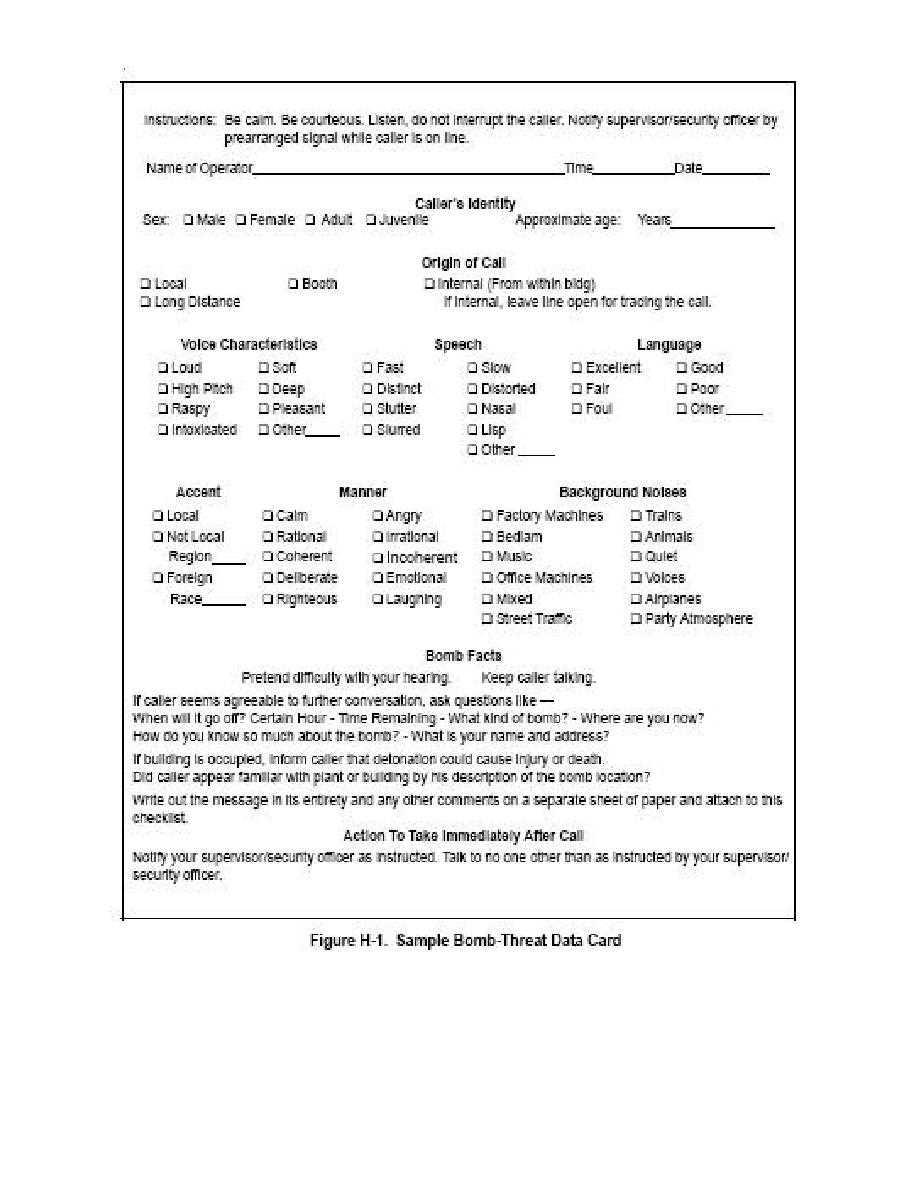
Immediately recognizing and responding to a potential emergency is critical. A well-organized document that outlines steps to take when receiving a warning of this nature can help individuals remain calm and act efficiently. Such a document should include key details like the time of the alert, any specific information provided, and the steps to evacuate or secure the area. Proper structure will ensure that all necessary actions are taken without unnecessary confusion.
Start by listing the most crucial information to gather. For example, if the person who provides the warning gives any details about the location, timing, or method of the threat, these should be captured immediately. Details such as their identity, voice characteristics, and any background noise should also be recorded to aid law enforcement in their investigation. Having a template ensures that no important details are overlooked under pressure.
Next, establish clear procedures for communication. Once information is gathered, it should be quickly communicated to the proper authorities. The document should include contact information for law enforcement, emergency response teams, and internal communication lines. Additionally, including guidelines for informing others within the building or organization can ensure that everyone knows what actions to take and when.
Finally, ensure the template is easily accessible to key personnel. Keeping a hard copy on hand, and storing an electronic version in a secure location, guarantees that anyone on duty can access it when needed. Regularly reviewing and updating the document will also keep it current with any procedural changes or new legal requirements. This proactive approach enhances preparedness and minimizes risk during a potential emergency.
Printable Bomb Threat Checklist Template
Start by listing key details to capture immediately. This should include the exact time the alert was received, the method of communication (phone call, written note, etc.), and any specific information provided, such as the location of the device or the timing of the detonation. Recording these details in a structured way ensures that no information is lost during the chaos of the situation.
Next, establish a clear protocol for responding to the warning. The document should outline who should be notified first, such as local authorities or building security. It should also include guidelines for evacuating the building or securing the area, along with any other immediate actions that must be taken. Having this response plan clearly outlined minimizes confusion and delays.
Include a section for communication. The checklist should contain a list of emergency contacts, including law enforcement, fire departments, and internal team members responsible for executing the response plan. This allows personnel to act swiftly without wasting time searching for contact information. It is also helpful to have a space for noting any communications with authorities or colleagues, ensuring the chain of information is complete.
Finally, ensure regular updates and reviews. Regularly review and test the plan to ensure its relevance and accuracy. Any changes in contact information, evacuation procedures, or safety protocols should be reflected in the document. Keeping the response plan up to date will help ensure that it functions efficiently during a real crisis, making it a valuable tool in emergency preparedness.
Steps to Create a Comprehensive Bomb Threat Checklist
Step 1: Collect Critical Information Start by creating a section to record key details such as the time the alert was received, the person who made the warning, and the method of communication. This section should also include any specific instructions or threats, such as the location of the device or the timing of detonation. Ensuring this data is captured immediately is crucial for law enforcement and safety teams.
Step 2: Outline Immediate Actions Establish a list of immediate actions that must be taken once a warning is received. This may include notifying law enforcement, evacuating the building, and securing certain areas. Having a structured list with step-by-step instructions will help staff respond quickly and systematically under pressure.
Step 3: Create a Communication Plan Include a section that identifies who needs to be notified and how. This could include emergency contacts, such as local police or fire departments, as well as key internal personnel. Make sure the contact information is up to date and accessible for quick retrieval.
Step 4: Document Evacuation Procedures Ensure the checklist includes clear instructions for evacuating the premises, including evacuation routes, assembly points, and procedures for assisting individuals with special needs. This section will help guide the evacuation process smoothly and ensure everyone’s safety.
Step 5: Review and Update Regularly Once your plan is created, establish a routine to review and update it regularly. This includes testing the procedures, making necessary updates based on feedback, and ensuring that contact information remains current. Regular updates ensure the plan remains effective when needed most.