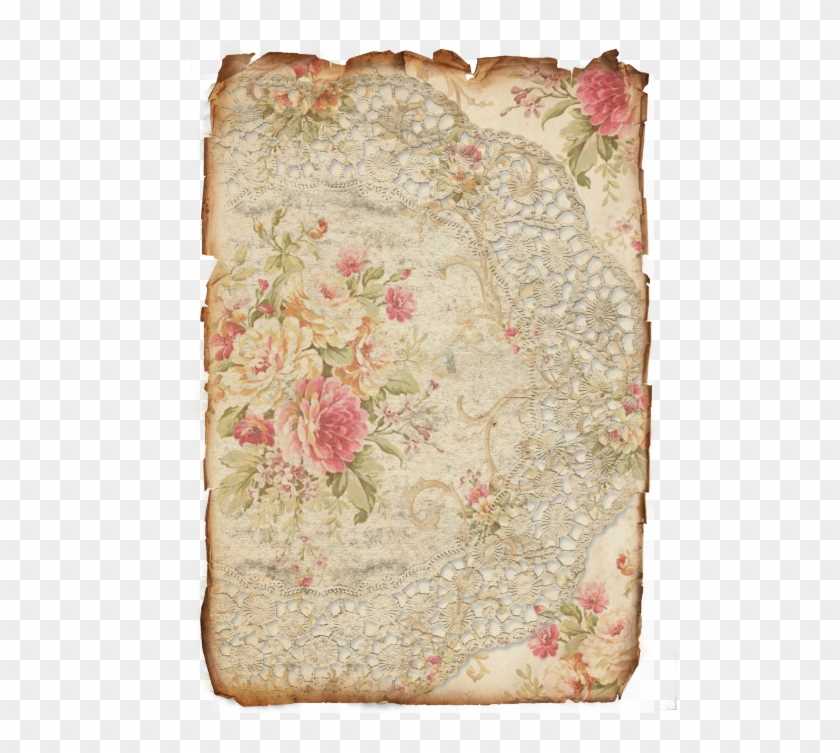
For a truly authentic and nostalgic touch in your craft projects, start with selecting aged textures and designs that bring an old-world charm. Whether it’s for scrapbooking, invitations, or decorative items, finding the right materials will elevate the overall aesthetic. Choose from options that replicate the look of well-worn fabrics or faded parchments, ensuring that the designs match your theme.
When working with these aged elements, consider the weight and texture of the material you’re using. Heavyweight options often mimic the feel of antique textiles, making them perfect for projects that require durability. Lighter sheets work wonderfully for layered designs where a more delicate finish is desired. Pay attention to the finish, as some surfaces offer a more matte look while others give a glossy appearance.
Incorporating these aged elements into your DIY projects requires careful planning to ensure the end result matches your vision. These materials are versatile for various creative endeavors, from creating custom cards to enhancing home decor. Using different shades and tones can add depth and dimension, so experiment with contrasting hues to achieve the look you want.
How to Choose the Right Aged Sheets for Your Craft
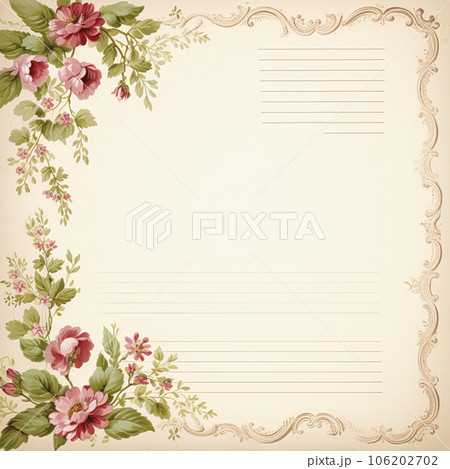
First, consider the texture of the material. For projects that require durability, choose heavier stocks that resemble old fabrics or sturdy parchment. Heavier options will hold up well for scrapbook pages, cards, and other items that need to withstand handling. On the other hand, lighter materials are ideal for layered crafts and delicate embellishments.
Next, think about the design. Look for patterns that fit the aesthetic you’re trying to achieve. If you’re aiming for an antique or historical look, opt for prints with faded or distressed elements. Designs with muted tones of brown, gold, or gray typically evoke the feel of ancient scrolls or historical documents. If you want something softer, pastels with vintage floral patterns might suit your project better.
The color of the material plays a major role in the overall atmosphere of your project. Choose neutral tones for a more classic look, or go for faded hues to bring out an aged appearance. A deep sepia or off-white color can make your crafts appear more rustic and authentic. Additionally, materials with subtle color variations, such as light browns mixed with touches of orange or green, can add depth to your final product.
Texture is also a key factor when selecting your materials. Some sheets offer a smooth finish, while others have a rougher, more tactile feel. For projects where a more natural, worn-in look is desired, textured sheets are ideal. If you’re crafting something that needs precision, such as intricate cutting or stamping, smooth materials may be more suitable.
Ensure that the thickness of the material is appropriate for your intended use. For card-making and scrapbooking, a moderate weight material will work best. Too thin and the paper may not hold up over time; too thick and it may not fold or bend easily. You want a balance that allows you to work with the material without compromising its appearance or durability.
Finally, consider the finish of the sheet. Matte finishes are great for projects requiring less gloss, such as vintage-style invitations or home décor pieces. If you’re working on something that needs to stand out, consider a glossy finish that can highlight intricate designs or photographs. Experimenting with different finishes can add texture and depth, making your final piece more visually dynamic.
Step-by-Step Guide to Printing and Preparing Aged Designs
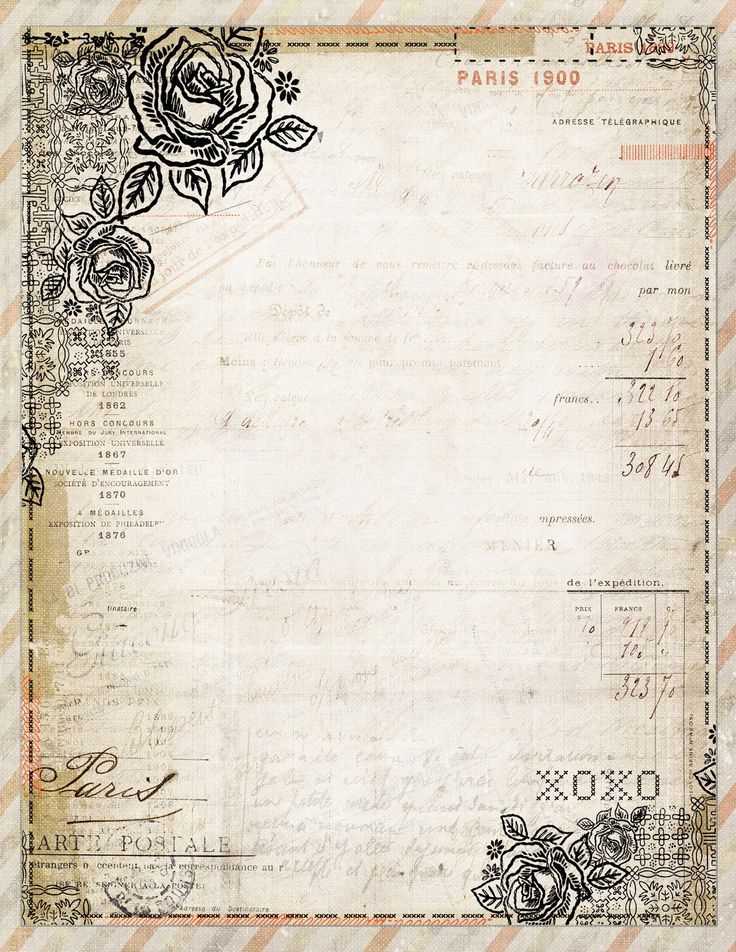
Start by selecting the right material for your project. Choose a heavy cardstock or textured option for durability. If you want to mimic an old-world aesthetic, opt for a sheet with a slightly rough texture. This helps create a more authentic look and feel for your creations.
Next, ensure your design is properly aligned on the document. Use image-editing software or design tools to adjust the placement of any elements, ensuring they fit within the edges of the page. Print a test copy on regular paper to check for alignment, ensuring the design appears as intended.
Once satisfied with the alignment, adjust your printer settings. Set the printer to the highest quality to achieve sharp, clear prints. If your design includes faded or distressed elements, experiment with the contrast and brightness settings to ensure the details aren’t lost during printing.
After printing, allow the ink to dry completely before handling the material. This ensures that the colors remain intact and prevent smudging. If you want to add more authenticity, gently rub the edges with a fine sandpaper to create a worn look or use a tea stain to further age the design.
Finally, prepare the material for your craft by cutting it into the desired shapes or sizes. Use a sharp craft knife or scissors for clean edges. If the design requires folding, make sure to score the lines for a smooth, crisp fold without damaging the structure of the material. Once prepared, your pieces are ready for use in various projects, such as cards, invitations, or scrapbooks.