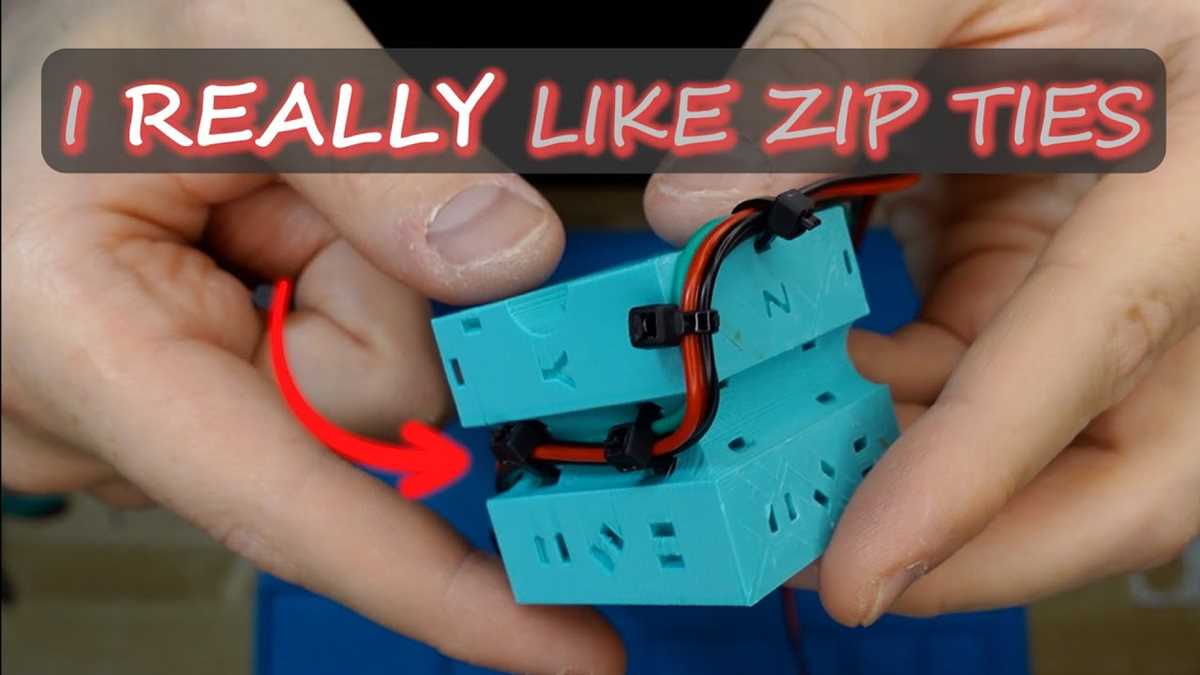
If you need custom fastening solutions for your projects, creating your own designs for 3D printing is a great option. By using 3D printing technology, you can create strong, reusable fasteners tailored to specific needs, from organizing cables to securing various materials. This allows for precise control over size, shape, and strength, ensuring your designs meet exact requirements.
Begin by selecting a reliable 3D modeling software that offers easy-to-use tools for designing small mechanical components. There are plenty of free options, like Tinkercad or FreeCAD, that provide basic functionality without steep learning curves. Once you have your design, choose a material suitable for the intended use of the fastening. PLA is commonly used for its ease of printing, but more durable options like PETG or Nylon may be better for high-stress applications.
After finalizing your design and selecting the right material, adjust your 3D printer settings for optimal results. Pay attention to print speed, layer height, and temperature to ensure the fasteners are strong enough for their purpose. With a properly calibrated printer, you’ll be able to produce high-quality, custom components that perform as well as their commercial counterparts.
3D Printable Fastening Solutions
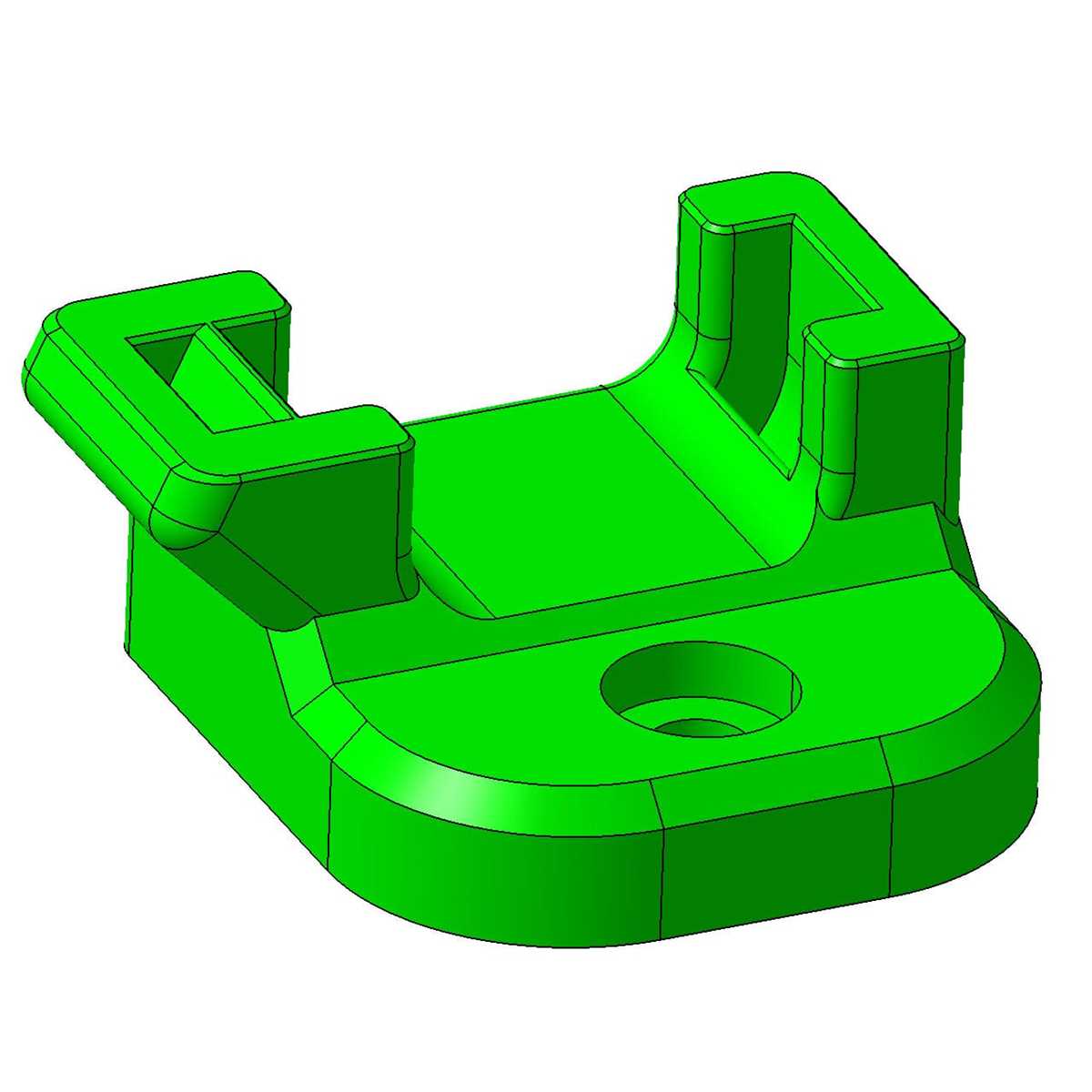
For those looking to create custom fastening devices, using 3D printing is a flexible and cost-effective solution. With the ability to tailor each design to specific needs, you can produce unique connectors that fit perfectly within your projects. A key advantage is the possibility to adjust the size and strength depending on the material and purpose of the fastener.
When designing a custom clasp or clip, start by selecting a strong, flexible material like Nylon or PETG. These materials offer greater durability and resistance to wear, making them ideal for items that will undergo repeated use. PLA is an easier material for beginners, but it might not hold up well under heavy loads or extreme temperatures.
Next, use a 3D modeling tool to create your design. Popular free programs like Tinkercad or Fusion 360 offer intuitive interfaces for beginners and advanced users alike. Ensure that your design features proper interlocking mechanisms or loops to securely hold items together. Simple features like teeth or ridges can enhance grip strength and prevent slippage.
After designing, it’s time to set up your 3D printer. Choose the correct layer height and infill settings to achieve the optimal balance between print speed and strength. For robust fasteners, a higher infill density is recommended, while finer layer heights will ensure smoother edges and stronger joins.
It’s a good idea to print a small prototype first. This allows you to check for any design flaws, such as weak points or misalignments. Testing your design also gives you a chance to assess how well it functions in the real world, ensuring it will hold up under typical stress and use.
Once you’ve made any necessary adjustments, print the final version and put it to use. These custom fasteners can be applied to a wide range of tasks, from securing cables in place to holding various materials together in DIY projects. The versatility of 3D printed connectors allows them to replace traditional commercial fasteners in many situations, making them a useful tool for hobbyists and professionals alike.
How to Design a Custom Fastener for 3D Printing
Start by determining the exact function of the fastener you need. Consider the size, strength, and flexibility required. If it’s intended to hold lightweight materials together, a simple design with a basic clasp may suffice. For heavier loads, incorporate more complex features, such as reinforced edges or interlocking parts, to improve strength.
Choose the appropriate software for designing your component. Tinkercad is an excellent option for beginners due to its simple interface and drag-and-drop functionality. More advanced users can opt for Fusion 360 or SolidWorks, which offer greater control over the design, allowing for more intricate features like locking mechanisms or adjustable tension.
Focus on the shape and dimensions of your design. Keep in mind that 3D printing has certain limitations, such as the resolution of the printer and the material’s strength. Avoid overly fine details that may not print correctly or that could weaken the fastener. Ensure the dimensions are precise, especially if the fastener needs to fit into specific spaces or work with other custom parts.
Incorporate features that will help secure the item in place, such as teeth or grooves on the inside of the fastener. These details increase grip and prevent slippage. For a more secure fit, consider adding a ratchet-like mechanism that clicks into place, providing additional hold without the need for external tools.
When designing, also consider how the fastener will be released or adjusted. If it needs to be reusable, create a mechanism that can be easily opened and closed without compromising its holding power. For one-time use, simpler designs like a snap-fit or a simple clasp may work best.
Once the design is complete, export the file in a format compatible with your 3D printer, such as STL or OBJ. Review the file for any errors or design flaws before sending it to print. You may want to test print a smaller version of the design first to ensure everything functions as intended.
After the test print, adjust your design as needed. Fine-tune the thickness of the material or the fit of the parts to make sure the fastener performs well under real-world conditions. With a little tweaking, you’ll have a custom fastener tailored specifically to your project’s needs.