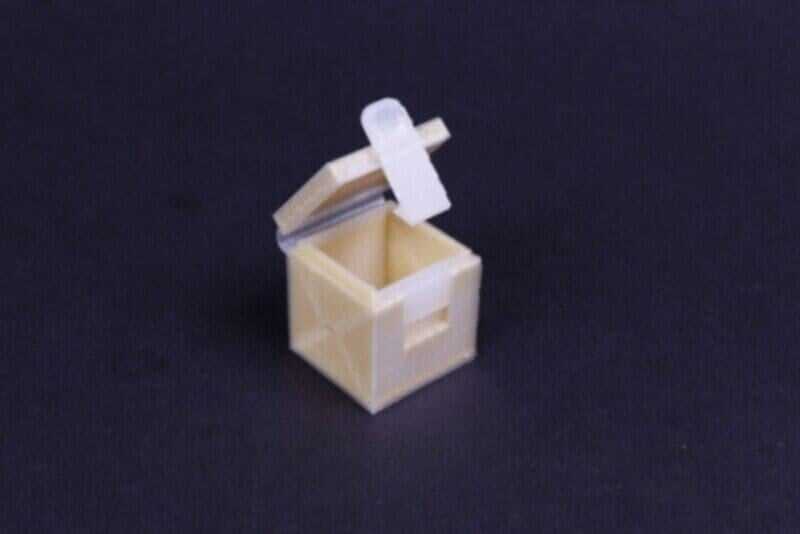
For reliable moving parts in your 3D designs, consider using customized joints. Choose materials with high durability, such as ABS or nylon, which can withstand regular motion and stress. These materials offer the right balance between strength and flexibility, preventing wear and tear over time.
When designing these components, make sure to focus on the fitting of the parts. Precision in measurements is key to ensuring smooth movement and proper alignment. Tight tolerances are necessary to avoid issues such as binding or misalignment, which can cause mechanical failure.
Another critical factor is the layer height. A finer layer height (around 0.1mm) typically results in smoother surfaces, reducing friction and wear. This is particularly important when the parts are expected to move continuously or bear weight.
3D Designed Joints for Moving Parts
For a functional and durable connection between two parts, focus on creating a precise and durable joint. Choose strong materials like ABS, nylon, or polycarbonate to ensure flexibility and resistance to stress. These materials will provide the needed strength for a long-lasting connection.
The fit is critical to ensure smooth movement. Measure carefully and adjust the tolerances to avoid unnecessary friction or gaps. A clearance of 0.2mm to 0.5mm between the moving components is ideal to allow free rotation without excess play. This balance is key to a successful and stable assembly.
Another aspect to consider is the layer orientation during the 3D printing process. Aligning the layers in the direction of the intended motion can enhance strength and flexibility. Printing along the x or y-axis typically provides better results compared to printing vertically. This attention to detail minimizes the risk of breakage during use.
Choosing the Right Material for 3D Designed Joints
Select ABS or nylon for parts that need to withstand frequent movement. These materials offer flexibility and high resistance to wear and tear. Both are suitable for heavy-duty applications, where durability is a priority.
If the design involves light-duty usage, PLA or PETG are good alternatives. These plastics are easier to work with and more affordable, but they may wear out faster compared to more robust materials. PLA works well for non-load-bearing joints that don’t experience significant stress.
Consider polycarbonate for high-strength applications. It has superior impact resistance and is ideal for parts exposed to high stress or harsh environments. However, it requires higher printing temperatures, so ensure your 3D printer is capable of handling this material.