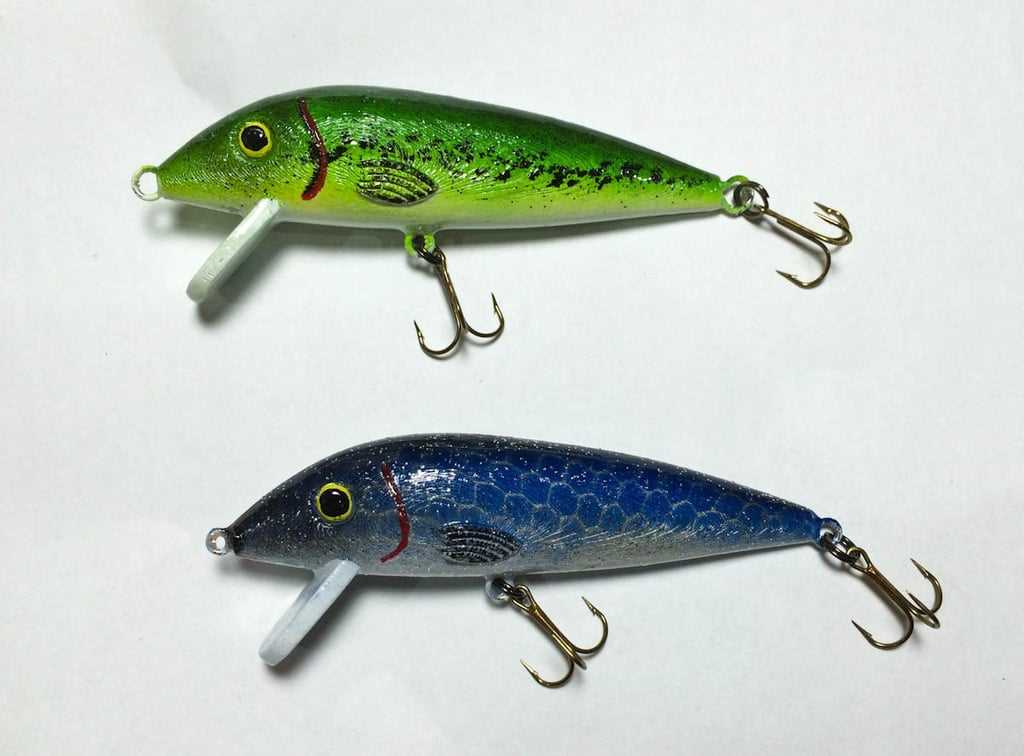
To create personalized gear for your next outing, start by downloading or designing your own models for artificial bait. This allows you to tailor the shape, size, and weight to your preferences or specific conditions. Simply find a 3D model online or use design software to customize your own.
Once you have your design, ensure you’re using the correct material for durability. Use strong, water-resistant filament like PETG or ABS for the best results, as these materials hold up in wet conditions. Select your desired color and texture to match the types of bait most effective for the species you’re targeting.
After printing, take time to assemble any additional components such as hooks or weights. For an optimal fit, check if the design has slots or connectors for adding these parts securely. You can also enhance the model by painting or adding reflective coatings to attract fish more effectively.
3D Models for Custom Bait
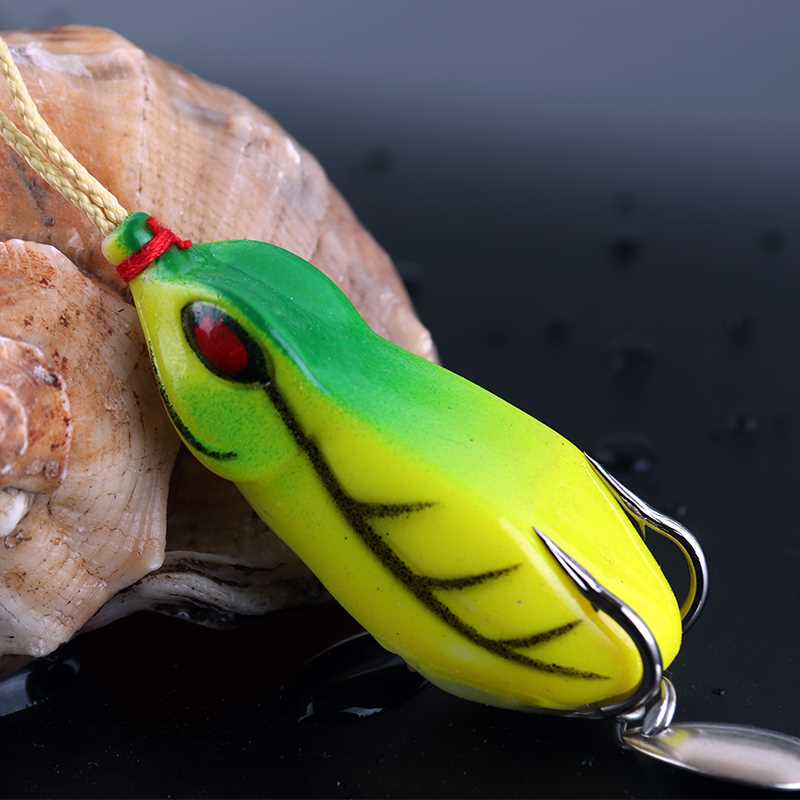
Start by selecting or designing your bait model using 3D design software. Popular programs such as TinkerCAD or Fusion 360 are beginner-friendly and offer various templates. Customize the shape, size, and structure to mimic the fish species you want to target. Make sure to adjust the dimensions according to your rod’s specifications for optimal casting.
Choose the right material for printing. For a durable and water-resistant option, use ABS or PETG filaments. These materials can withstand exposure to water and UV rays, making them ideal for outdoor conditions. While PLA is a common filament, it may not hold up as well over time in aquatic environments.
After selecting your material, set your 3D printer to the correct temperature and printing speed. A slower print speed with higher layer resolution can ensure greater precision in the design. This is especially important if you’re printing intricate details like scales, fins, or weight compartments.
Once the model is ready, inspect the print for any imperfections. Small cracks or misprints may affect its performance. If needed, use fine-grit sandpaper or a file to smooth out the surface. For a polished finish, you can paint or coat the model with a waterproof layer to improve its durability and appearance.
To assemble the bait, you may need to attach hooks, weights, or swivels. Choose components that align with the design’s size and structure. If the design includes spaces for these attachments, use glue or small screws to secure the parts. Make sure the hooks are firmly attached for safety and functionality.
Test your custom model in a controlled environment before using it in the field. This allows you to check how well it moves in water and whether it attracts fish as intended. You can also experiment with different sizes, shapes, and materials to see which combination performs best in various water conditions.
Once you’re satisfied with the results, print more models in different colors or sizes for variety. Experiment with different textures or finishes to see how they affect the model’s movement. With a few adjustments and tests, you’ll have a collection of tailored baits that suit your fishing needs perfectly.
How to Design Custom Bait for 3D Printing
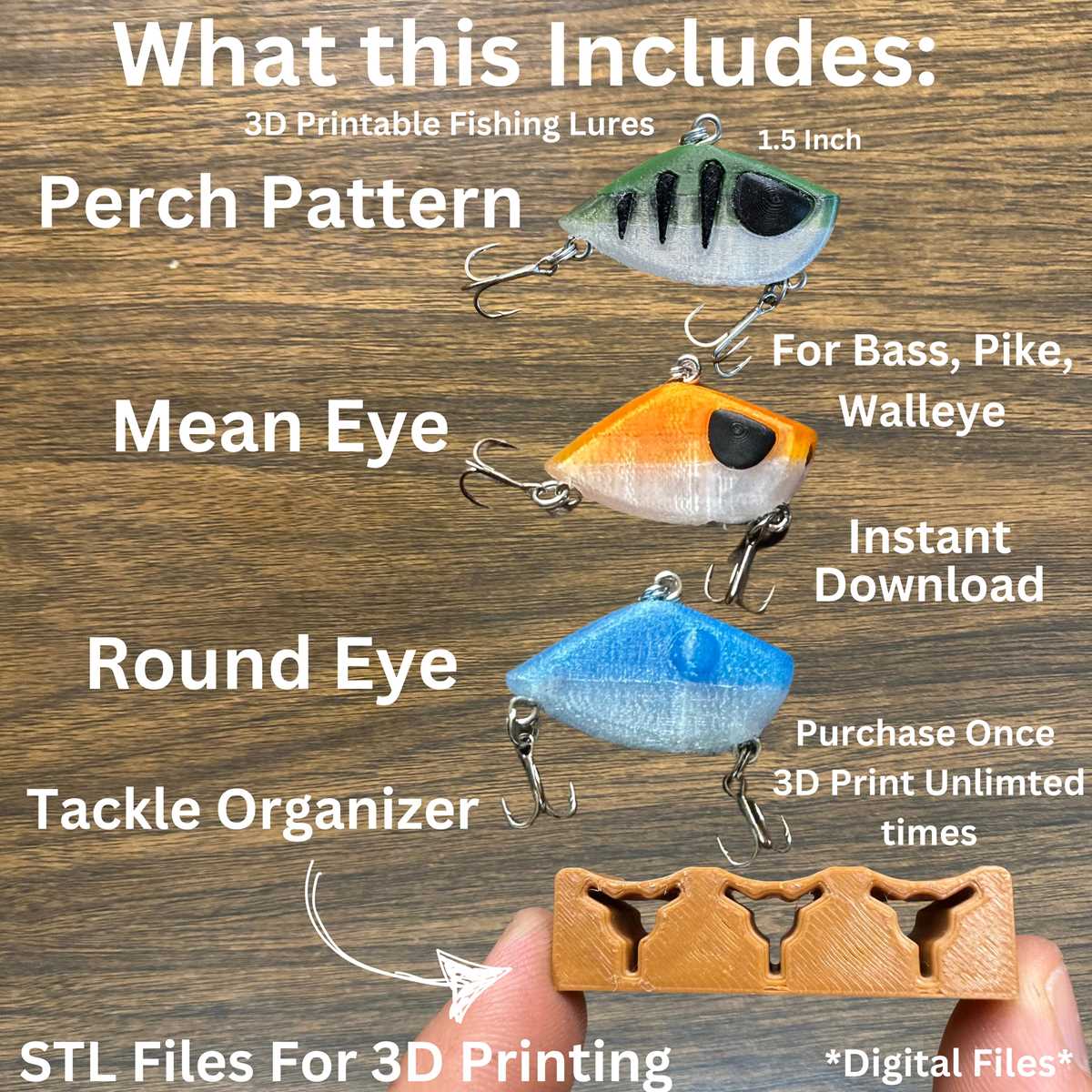
Start by determining the type of fish you want to attract and tailor your design to replicate the characteristics of prey species. Focus on shape, size, and the type of movement you want the model to achieve in water. Use 3D design software like TinkerCAD or Fusion 360 to create a model that includes detailed features such as ridges or fins to enhance movement. Ensure the dimensions match your rod and reel specifications for better performance.
After designing, check for compatibility with your 3D printer. Consider the material you’ll use, such as ABS or PETG, to ensure strength and water resistance. You can also integrate internal compartments to add weight or adjust buoyancy. Make sure to test the design for fluid motion before finalizing the model and adjusting the parameters for optimal printing.