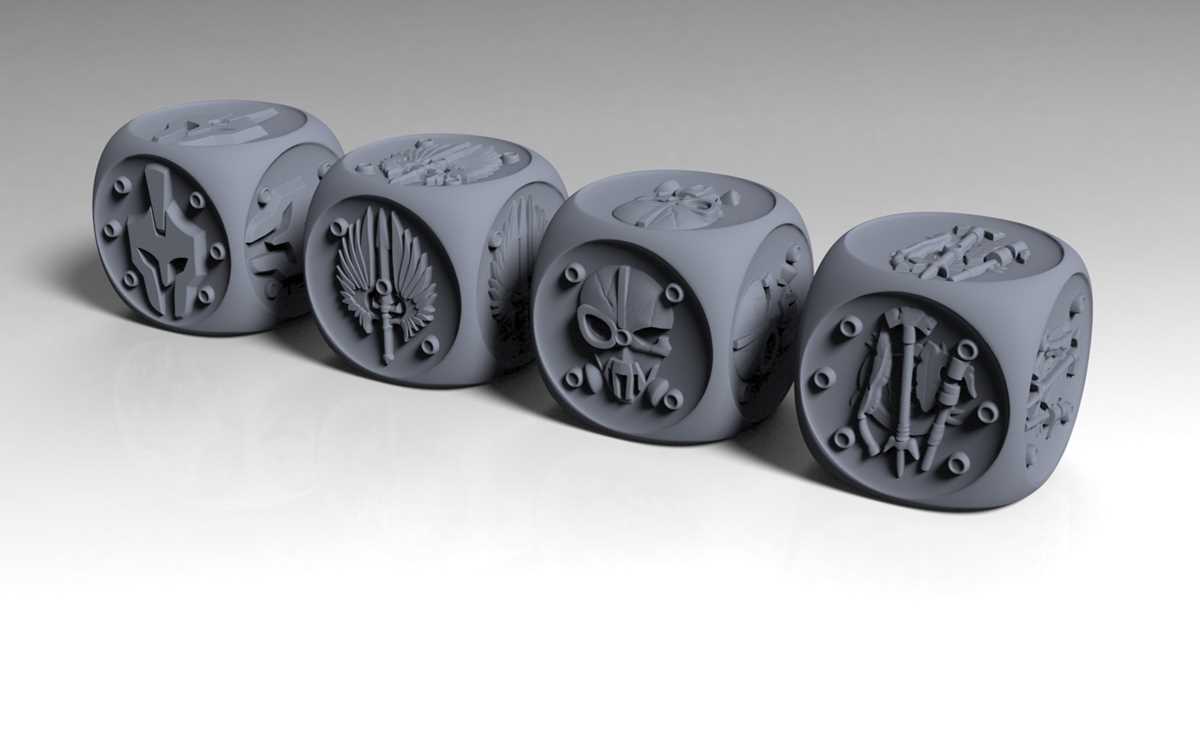
Creating your own custom gaming tools can enhance your experience in tabletop games. With 3D printing, it’s now possible to design and produce unique, personalized components for your sessions, including specialized counters, custom tokens, or multi-faceted number generators. Whether you’re crafting them for an RPG, board game, or other tabletop experience, the possibilities are virtually limitless.
To get started, you’ll need to choose the right software for designing your objects. Programs like Tinkercad, Fusion 360, or Blender allow you to model precise designs, which can be exported in formats compatible with 3D printing. From intricate engravings to custom shapes, you can integrate features that suit your personal style or gameplay needs. When designing, pay attention to the size and weight, especially if you want to ensure durability during gameplay.
Once the model is ready, select your preferred 3D printing material. PLA is a popular choice due to its ease of use and wide availability, but ABS or resin might be better if you need something more resilient. The printing process itself is straightforward, but ensure your printer settings are dialed in for optimal resolution to avoid imperfections in the final product. After printing, you can further enhance the pieces with paint or polish for a professional look.
3D Printed Customizable Polyhedral Shapes
For a more personalized gaming experience, consider creating your own polyhedral objects with a 3D printer. Customize the design by adjusting the shape, weight distribution, or material texture to fit the needs of your tabletop sessions. Modify the number of faces, dimensions, or surface finish to enhance both the aesthetics and functionality. Using CAD software, it’s simple to tailor these items to your specifications, ensuring every roll is unique and well-suited to your preferences.
Once you’ve modeled your pieces, select a filament that provides the right balance between durability and smoothness. Resin-based materials often offer more detailed designs and a smoother finish, while PLA filaments are easy to work with and ideal for practical use. Be mindful of the infill percentage to ensure the weight is right for each item. Too light, and they may not roll as expected; too heavy, and it could affect the outcome of the game.
After printing, consider painting or texturing your models to further enhance the visual appeal. Whether you prefer sleek, glossy finishes or a more tactile surface, the versatility of 3D printing allows you to create a set that matches your style. Keep in mind the importance of proper calibration on your printer for precision, especially for multi-sided shapes with intricate details like numbers or symbols. With these techniques, you’ll have fully customized objects tailored to your play style and aesthetic preferences.
HTML
Choosing the Right Material for 3D Printing Dice
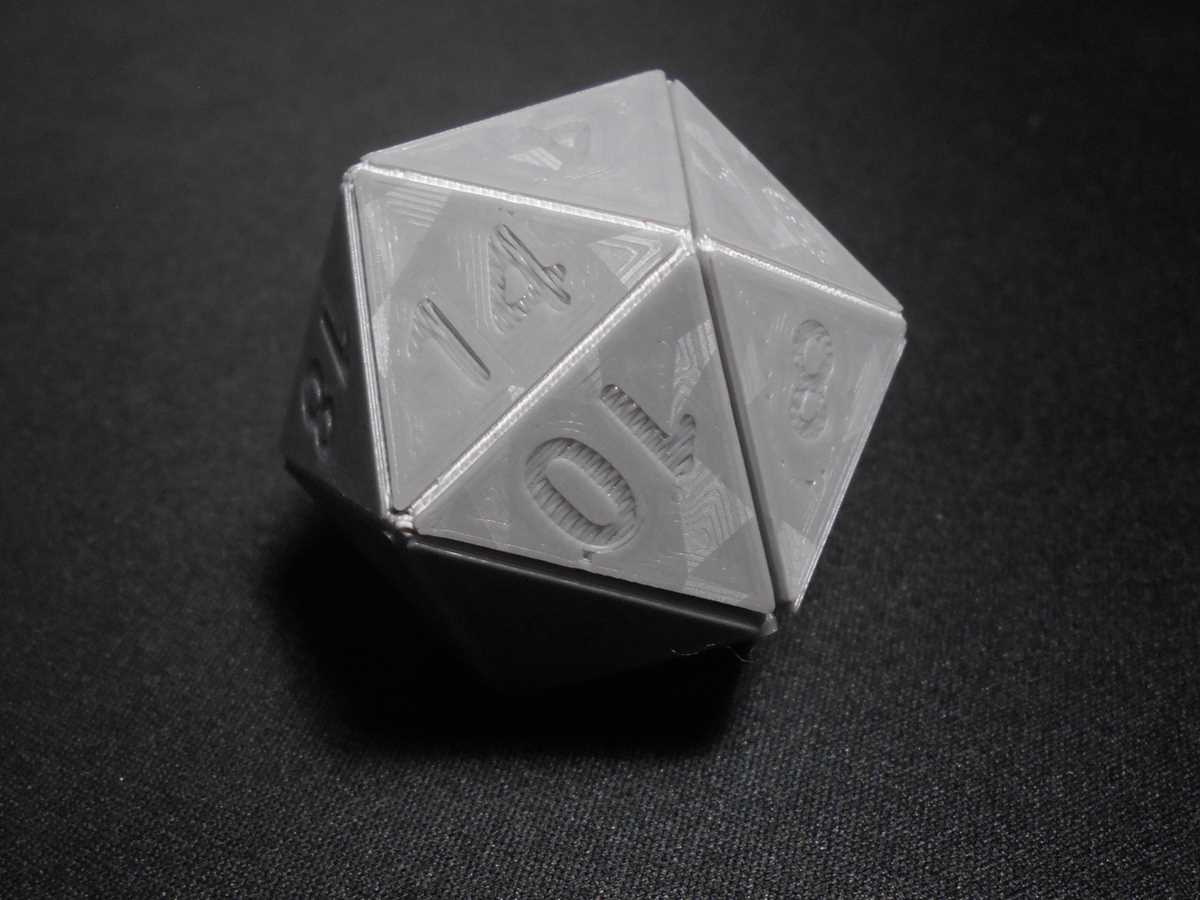
For durable and functional objects, use PETG or ABS. Both materials provide strength and flexibility, making them ideal for items that require a balance between durability and weight. PETG is easier to print, offering a smoother surface finish with less warping, while ABS excels in impact resistance and heat tolerance, though it may require a heated bed for optimal results.
If the goal is aesthetic appeal or intricate details, resin or nylon can be considered. Resin produces sharp, detailed designs, but it can be more brittle compared to PETG or ABS. Nylon is highly durable and resistant to wear, but it may require advanced printer settings to achieve the best quality. Each material has trade-offs, and the right choice depends on whether strength, detail, or ease of printing is the priority.