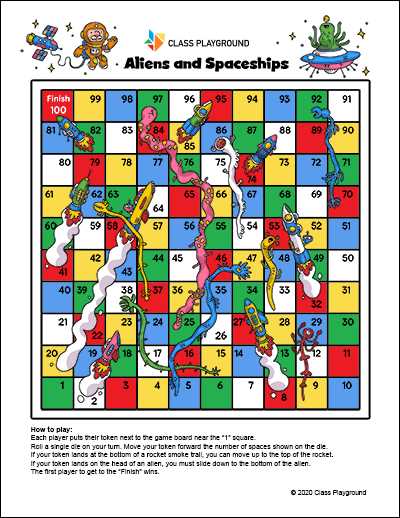
Start by introducing a chart with numbers from 1 to 100. This tool is perfect for helping children recognize number patterns and improve their counting skills. It provides a clear, visual representation of numbers, making it easier to understand sequences and relationships between them.
For young learners, highlight specific rows or columns to guide them through counting by tens or fives. This technique helps solidify the concept of skip counting, which is fundamental for later math skills such as multiplication. Focus on providing enough space for the child to mark the numbers, as this enhances their fine motor skills as well.
As students progress, challenge them to fill in missing numbers or identify sequences in random order. These exercises promote number fluency and strengthen mental math abilities. It’s helpful to provide both blank and partially filled charts, so children can practice both identification and problem-solving skills.
Teachers and parents can also create fun games using these charts. For example, challenge kids to find numbers in a pattern, or have them race against the clock to locate numbers within a certain time frame. This transforms learning into an interactive experience, making math feel like a game rather than a task.
Using Number Charts for Math Practice
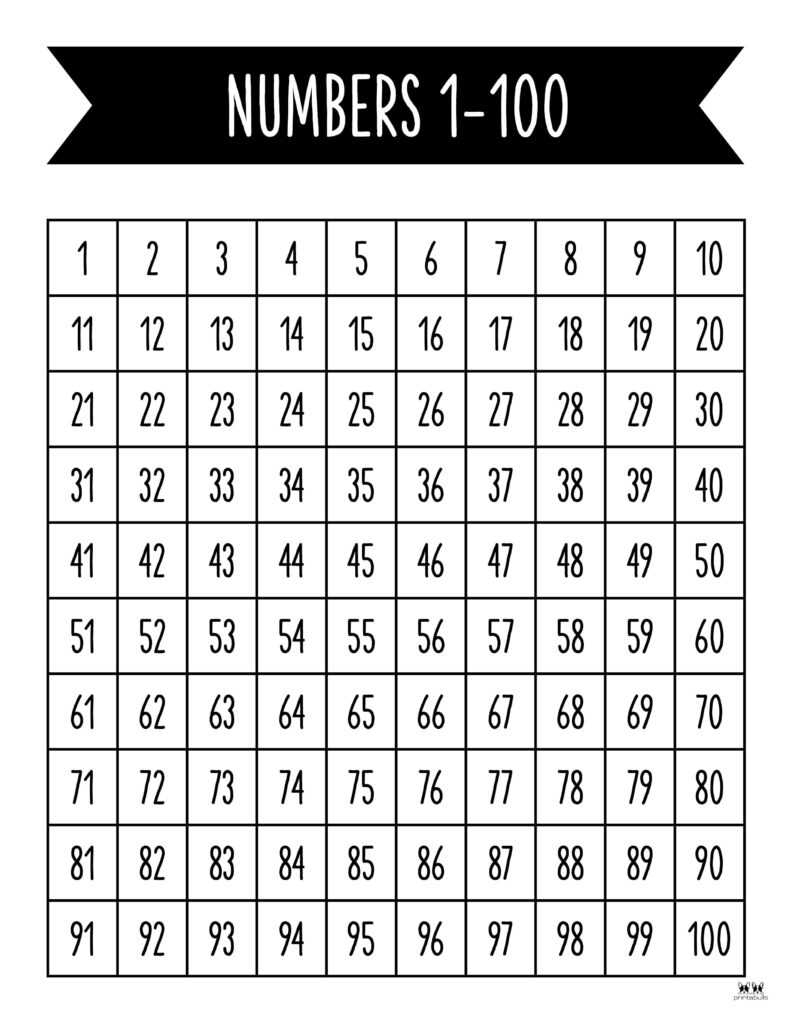
Start with simple number charts that include rows of numbers from 1 to 100. These are ideal for early learners who are just starting to recognize number patterns and relationships. They help children see how numbers progress and build the foundation for counting skills.
For young children, focus on familiarizing them with the vertical and horizontal organization of the chart. Teach them to count by 2s, 5s, or 10s by following specific rows or columns. This activity will help them grasp skip counting, a key skill that prepares them for multiplication.
As children become more comfortable, challenge them with activities like filling in missing numbers. This encourages critical thinking and enhances their understanding of number sequences. Providing blank sections in the chart will give them a chance to practice solving problems on their own.
For a more advanced challenge, try incorporating subtraction or addition problems. For example, ask children to identify numbers that are 5 more or less than a given number. These types of exercises improve mental math and number manipulation skills.
- Use the charts for quick number drills to reinforce multiplication facts.
- Have students highlight patterns, such as finding all the multiples of 3 or 4 in the grid.
- Encourage group activities where students race to fill in missing numbers or identify specific patterns under time constraints.
Finally, make it fun by adding games and interactive activities. Set time limits to see how fast children can identify certain numbers or ask them to create number-based challenges for each other. This turns a simple educational tool into an exciting learning experience.
How to Use a 100s Grid for Basic Math Practice
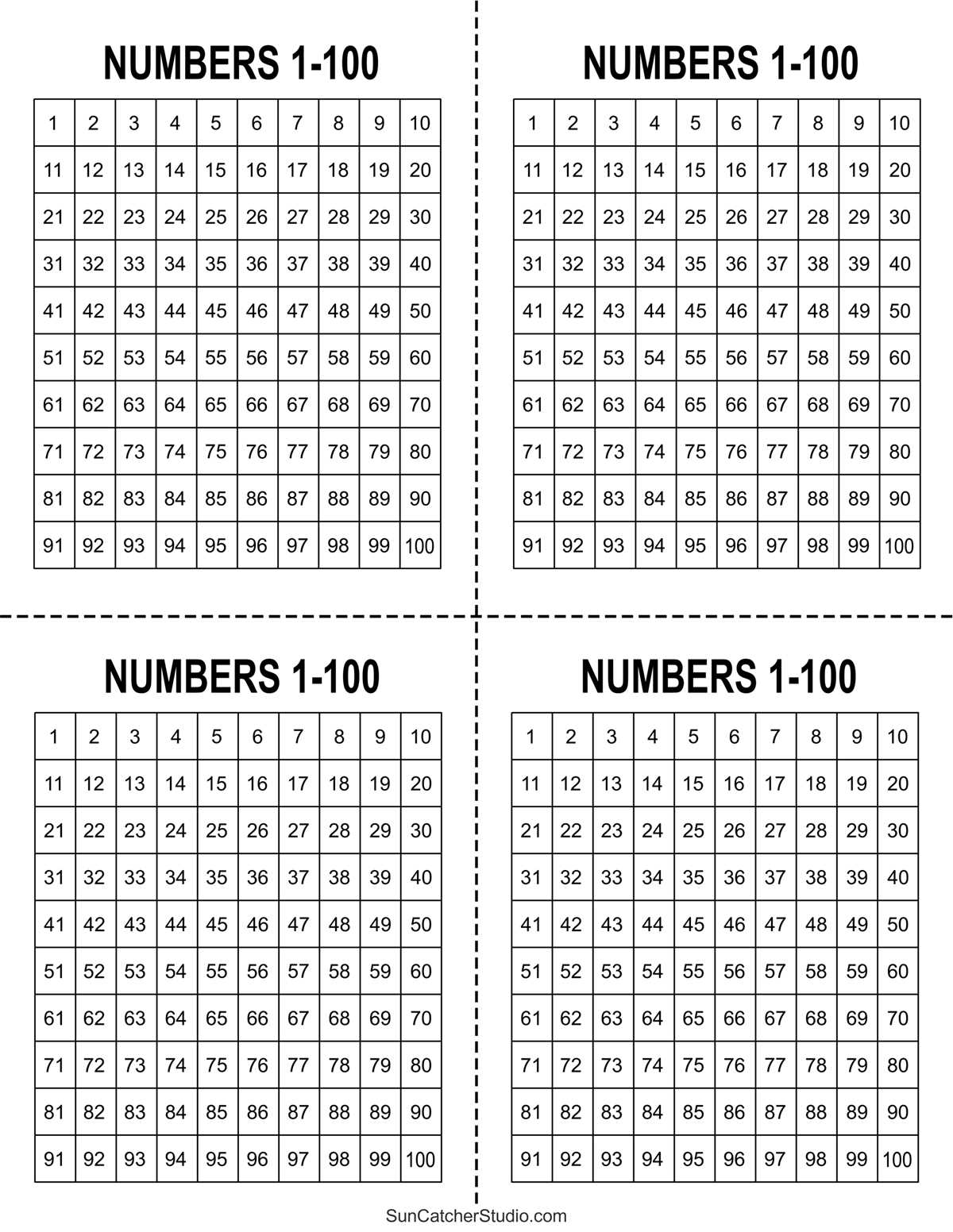
Start by having children trace the numbers from 1 to 100. This simple exercise helps familiarize them with the structure of the chart and allows them to see the numbers in sequential order. It’s a great first step to building a strong foundation in number recognition.
Next, encourage children to practice skip counting by using specific rows or columns. For example, ask them to count by 2s, 5s, or 10s. This method not only reinforces their counting skills but also helps them understand the patterns within numbers, a key element in mastering multiplication later on.
To further challenge their skills, try activities that involve identifying missing numbers or creating math problems using the chart. For instance, ask them to find a number that is 10 less than a given number or identify the sequence of odd numbers. These exercises promote critical thinking and improve their ability to manipulate numbers mentally.